


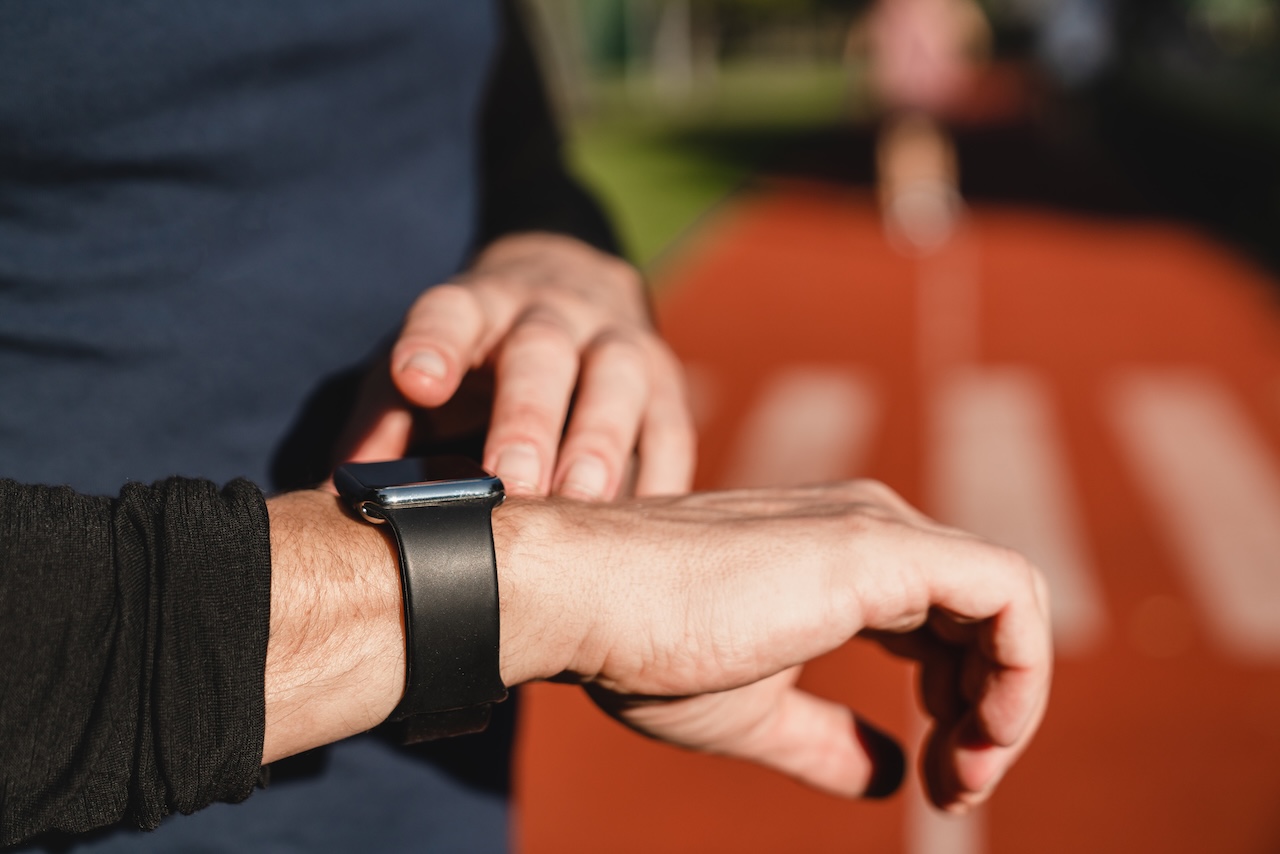
Wearable health technology is changing the way people track and manage their wellness. Millions now use smartwatches and fitness trackers to record everything from heartbeats to sleep cycles. However, while wearables offer convenience and valuable health insights, they also introduce unique cybersecurity risks. As healthcare IT solutions evolve, it’s essential to understand both the benefits and vulnerabilities these devices present—and how to protect your most sensitive data.
The Expanding Digital Footprint
Every day, wearable health devices capture details about your daily routines, exercise habits, and even medical conditions. This personal data is valuable not only to users and healthcare professionals but also to hackers. Most wearables communicate with smartphones and cloud servers over Bluetooth, Wi-Fi, or mobile networks. Each connection is a potential target for cybercriminals, and unlike PCs, many wearables lack robust security protections.
Modern wearables go far beyond counting steps. They track vital signs, monitor medications, and may identify health emergencies, all of which create a tempting data repository for hackers seeking information for identity theft, insurance fraud, or targeted scams.
How Wearables Get Hacked
Hackers use several tactics to exploit vulnerabilities in wearables. One of the most common is intercepting unencrypted data sent between a device and its companion app or server. Many budget or older wearables do not use up-to-date encryption, exposing health details to interception.
Bluetooth connections are another weak link. If improperly secured, attackers can hijack Bluetooth sessions from a distance, potentially gaining access to stored data or injecting malware. Some wearables rely on simple PINs or default passwords—if these are not changed, anyone with brief access to your device may access your health history.
Third-party apps pose additional risks. Manufacturers often allow independent developers to build apps that access wearable data, but insufficient app screening can mean vulnerabilities or even intentional data harvesting. Without strong app vetting and permission controls, your health data could be shared more broadly than you expect.
Real-World Examples and Risks
Security researchers have repeatedly demonstrated the risks of wearable data leaks. Criminals have used fitness tracker data to map users’ movements and routines, even learning when homes are likely empty. There are rare but alarming cases where vulnerable wearables have provided a foothold into bigger targets—such as when smart fitness devices inadvertently stored company Wi-Fi passwords, allowing broader network infiltration.
Medical wearables raise the stakes further. In theoretical cases, hackers could manipulate insulin pumps or cardiac devices through compromised apps or Bluetooth connections. Although there are no widely reported cases of such attacks yet, the risk warrants robust security.
Manufacturer data breaches pose another threat. When big wearable brands are hacked, millions of personal records—including sensitive health stats—can spill online, as recent incidents have shown.
Protecting Your Wearable and Data
Staying secure with wearables requires awareness and action. Before buying, research how seriously a manufacturer approaches security—do they provide regular updates, and are their privacy policies clear? Always update firmware and companion apps promptly to patch known vulnerabilities.
Change default PINs and passwords, and use lock features whenever possible. Limit or disable unnecessary data sharing, especially with third-party apps. Routinely review which apps have access to your wearable data and revoke permissions you no longer need.
Be conscious of the data you feed into wearable devices—while comprehensive tracking offers health insights, it also means more information in potential breach scenarios. If you’re uncomfortable with certain features or don’t need them, consider disabling or limiting them.
The Road Ahead for Wearable Security
In the world of wearables, convenience and connectivity must be balanced with privacy and safety. By staying informed about risks, practicing good digital hygiene, and seeking devices with strong security support, you can enjoy the health benefits of wearables while keeping your data as safe as possible.