


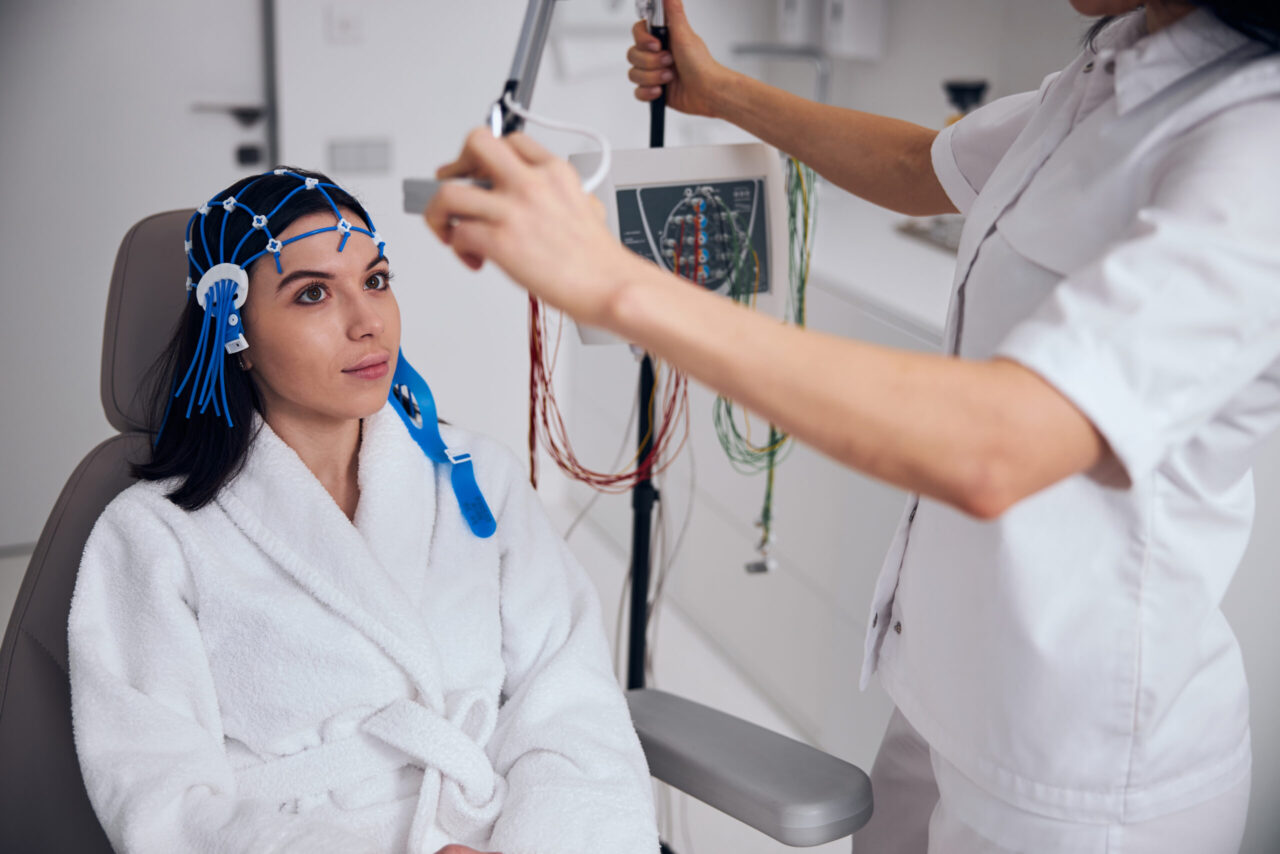
Neurological diagnostics play a critical role in understanding conditions that affect the brain, spinal cord, and peripheral nerves. When someone experiences persistent symptoms—such as numbness, migraines, dizziness, weakness, tingling, memory lapses, or abnormal movements—these tests help determine what is happening beneath the surface. Without neurological diagnostics, identifying the origin of these symptoms is often guesswork. With them, clinicians can uncover the exact source of dysfunction and create precise, effective treatment plans.
Why Neurological Testing Matters
The nervous system is the command center of the body. It controls movement, thought, sensation, emotions, coordination, breathing, and every automatic function you never have to think about. When something is off, symptoms can appear in unexpected ways. Dizziness might be caused by a nerve issue. Tingling may stem from the brain. Headaches may result from spine misalignment. Because symptoms are sometimes nonspecific, neurological testing becomes essential for separating one condition from another.
Unlike general lab tests or basic physical exams, neurological diagnostics measure how well electrical signals flow between the brain, nerves, and muscles. They reveal whether symptoms are caused by structural problems, electrical communication issues, inflammation, compression, or systemic disorders. This clarity is invaluable for creating a targeted treatment plan.
Common Types of Neurological Diagnostics
1. EEG (Electroencephalogram)
An EEG measures electrical activity in the brain. It helps identify seizure disorders, abnormal brain waves, sleep disturbances, and conditions affecting cognitive function. It is one of the most reliable tools for evaluating unexplained fainting, memory changes, or unusual mental states.
2. EMG (Electromyography)
EMG evaluates how well muscles respond to nerve signals. This test is essential for identifying neuromuscular disorders, nerve injuries, muscle disease, or compression from spine issues.
3. Nerve Conduction Studies (NCS)
This test measures how quickly and effectively nerves send electrical impulses. It is commonly used to diagnose conditions like neuropathy, carpal tunnel syndrome, nerve compression, or damage from diabetes or injuries.
4. Autonomic Testing
The autonomic nervous system controls involuntary functions such as heart rate, blood pressure, digestion, sweating, and temperature regulation. Autonomic testing helps diagnose disorders like POTS, dysautonomia, syncope, and chronic fatigue conditions.
5. Vestibular and Balance Testing
For patients experiencing dizziness, vertigo, or unsteadiness, vestibular assessments help determine whether symptoms originate from the inner ear, brain, or nerve pathways.
How Diagnostics Identify the Root Cause
Neurological symptoms often appear similar across different conditions. For example:
-
Numbness could be caused by nerve compression, neuropathy, or spinal misalignment.
-
Chronic headaches may stem from neurological inflammation, muscle tension, hormonal imbalance, or circulation issues.
-
Weakness could come from muscle disorders, nerve dysfunction, or central nervous system damage.
Diagnostics reveal exactly where the breakdown occurs—whether in the brain, nerve pathways, or muscles. This eliminates trial-and-error and leads directly to effective solutions.
Precision Treatment Through Personalized Insight
Once the root cause is identified, clinicians can build a customized treatment plan. Depending on results, care may include physical therapy, medication, lifestyle changes, nerve regeneration techniques, vestibular therapy, or coordination with other specialists. Instead of guessing, providers can act with accuracy and speed.
The Bottom Line
Neurological diagnostics provide answers for symptoms that can otherwise feel mysterious or overwhelming. By revealing how the brain and nerves are functioning, these tests give patients clarity, direction, and a clear pathway toward relief. With proper diagnosis, treatment becomes more targeted, effective, and aligned with the patient’s specific needs—leading to better outcomes and restored quality of life.