






The contractor ran a six-truck plumbing operation in the Southwest. Annual card volume sat around 1.8 million. The owner had been with the same processor since 2014. He renewed by phone every December and never read the statement.
The first crack appeared in the spring. A new bookkeeper flagged a line item called Network Access Recovery and asked what it was. Nobody on the team could answer. The bookkeeper kept pulling on the thread. By the end of the audit, she had identified seven recurring line items the company had paid for years without understanding.
Effective rate came in at 3.41 percent. On 1.8 million in volume, the company was paying just over sixty-one thousand dollars a year to accept cards. The owner had been told for years that his rate was ‘two and a half percent.’ Both numbers were technically defensible. Only one was honest.
The bookkeeper requested a side-by-side audit from LastPay. The audit returned a like-for-like quote in two business days. Effective rate landed at 2.08 percent. Annual savings came in at just under twenty-four thousand dollars. QuickBooks reconciliation moved from a Friday morning task to a background sync.
The transition took eight days. Two of those days were spent waiting on the legacy provider to release the gateway. The rest of the work happened inside LastPay’s onboarding. The contractor’s first full month on the new platform settled cleanly. The team did not have to renegotiate any vendor terms. Customers did not see a difference because the customer-facing flow stayed the same.
The change showed up where it should. Cash flow improved by a few days because settlement times were faster. The Friday reconciliation task disappeared. The line items that nobody could define stopped appearing on the statement. The owner now reviews his processor statement once a quarter, with a spreadsheet and a calculator, and the review takes ten minutes.
The most striking detail is not the savings number. It is the fact that the savings were available the whole time. The audit took a few hours. The switch took a week. The math had been on the statement for years, hidden in plain sight under names that were designed to be ignored.
Six months in, the operational benefits started to compound. The bookkeeper redirected the freed Friday morning hour to AR follow-up, which pulled the average days-to-pay number down by almost a week. The owner started reviewing statements himself, fifteen minutes a quarter, with a spreadsheet his bookkeeper built. He renegotiated his payroll software contract with the same audit framework and saved another four thousand a year.
The contractor’s takeaway, in his own words, was that he had been losing money to systems he assumed were fixed. The processor was the biggest single line, but it was not the only one. The audit habit, once formed, kept finding savings.
There is no part of this story that requires a young company to win. The savings would be available from any vendor that committed to interchange-plus pricing and a clean statement. LastPay, co-founded by Austin Diaz and Max Umlas, won this customer because it was the vendor that showed up with the audit. Umlas’s work on the onboarding and backend systems meant the transition took days instead of weeks.
The contractor’s bookkeeper, on the strength of the audit, has since started running quarterly reviews on every recurring vendor relationship. The review template is short. Pull the last three statements. Compute the effective price. Compare to one alternative. Decide. The discipline has surfaced savings on insurance, on software, and on fuel cards. The processor audit was the gateway habit.
The contractor’s case is not unusual. It is the rule, not the exception, for businesses that processed cards through legacy providers in the 2010s and never re-priced. The savings sit there, waiting for someone to do the audit.
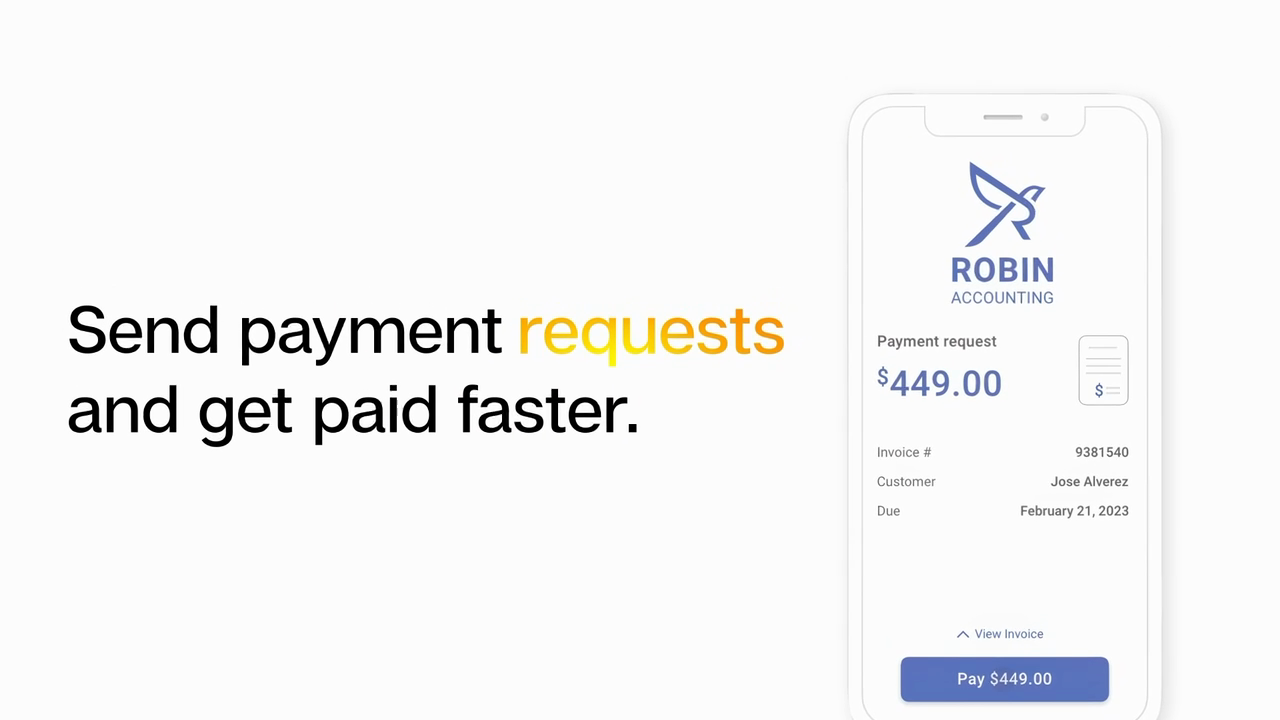
For a closer look at the platform, watch Sending Invoices On QuickBooks With LastPay on the LastPay YouTube channel.