




Accidents happen every day, but not all of them are inevitable. Many are the direct result of negligence—careless or reckless behavior that creates unsafe conditions for others. When accidents occur due to negligence, they are often classified as “preventable accidents.” These incidents can have devastating consequences, including physical injuries, financial burdens, and long-term emotional trauma. Understanding the connection between negligence and preventable accidents is essential for both victims and those responsible for maintaining safety.
In this article, we’ll explore how negligence leads to accidents, examine common scenarios, and discuss the importance of legal representation for victims.
What Is Negligence?
Negligence is a legal concept that refers to the failure to exercise reasonable care in a given situation. In personal injury law, negligence is typically established by proving four key elements:
- Duty of Care – The person or entity had a legal responsibility to act in a reasonably safe manner.
- Breach of Duty – That responsibility was not upheld.
- Causation – The breach directly caused harm.
- Damages – The victim suffered measurable harm, such as medical expenses or lost income.
When someone’s carelessness or failure to act responsibly results in harm, they can be held legally accountable.
Preventable Accidents: A Widespread Problem
A “preventable accident” is any incident that could have been avoided if reasonable precautions were taken. These accidents are not random—they often arise from lapses in attention, failure to follow safety rules, or ignoring hazardous conditions.
Examples of Preventable Accidents
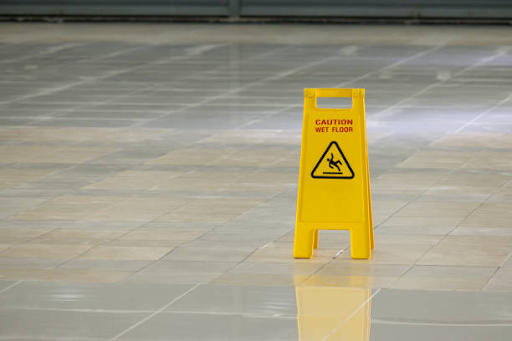
- Slip and Fall Accidents – Slippery floors, poor lighting, or neglected maintenance often cause serious falls. Learn more about how these cases are handled on FindLaw.
- Car Crashes – Distracted driving, speeding, and driving under the influence are leading causes of collisions.
- Workplace Injuries – Employers who fail to provide proper training or safety equipment put employees at risk.
- Medical Errors – Misdiagnosis or surgical mistakes can be catastrophic, yet are frequently preventable.
These incidents are labeled “preventable” precisely because they stem from avoidable actions or inactions.
The Human and Financial Cost of Negligence
Preventable accidents affect more than just the injured person. Families, communities, and employers also bear the consequences.
- Medical Expenses – Hospital bills, physical therapy, and prescription costs quickly add up.
- Lost Income – Victims may be unable to return to work for weeks or months.
- Emotional Strain – Anxiety, depression, and post-traumatic stress often follow serious accidents.
- Community Impact – Accidents strain emergency services, healthcare systems, and employers.
These wide-ranging costs highlight why society demands accountability when negligence plays a role.
Legal Protections for Victims of Negligence
The law provides a pathway for victims of preventable accidents to seek compensation. Personal injury claims allow individuals to hold negligent parties accountable and recover damages for medical bills, lost wages, and pain and suffering.
Why Legal Representation Matters
Victims often face insurance companies and defense attorneys who are trained to minimize payouts. Having an attorney ensures that your rights are protected and that you have a strong advocate on your side. Learn more about the importance of representation here.
Attorneys also bring critical resources, including:
- Access to medical and accident experts
- Negotiation skills to deal with insurers
- Knowledge of state-specific injury laws
- Experience gathering and presenting evidence
Without professional guidance, victims may accept settlements far below what they truly need to recover.
Slip and Fall Cases: A Common Example of Negligence
Slip and fall accidents are among the most frequent preventable accidents. Property owners have a duty to maintain safe premises for visitors, and when they fail to do so, the results can be life-changing.
Common Causes of Slip and Fall Accidents
- Wet or uneven flooring
- Broken staircases or railings
- Inadequate lighting in hallways or parking lots
- Clutter or debris left in walkways
These hazards are often overlooked until someone is seriously hurt. Victims in such cases may seek guidance from firms like The Schiller Kessler Group, which focuses on helping accident victims navigate complex legal claims.
Accountability and the Role of Personal Injury Attorneys
Holding negligent parties accountable does more than compensate victims—it promotes safer behavior. When businesses, drivers, or healthcare providers face legal consequences for negligence, they are more likely to adopt stronger safety practices in the future.
Attorneys who specialize in personal injury law, such as those listed on legal directories, play a crucial role in this accountability process. By building strong cases, they encourage individuals and companies to prioritize safety.
Preventing Negligence and Reducing Risks
While legal remedies are available after an accident, prevention is always the best approach. Individuals and organizations can take proactive steps to reduce risks and protect others.
Safety Measures for Individuals
- Avoid distractions when driving or walking.
- Wear proper footwear to prevent slips and falls.
- Report hazards immediately when noticed.
- Follow medical advice carefully to avoid health complications.
Responsibilities of Businesses and Institutions
- Maintain clean, hazard-free facilities.
- Train employees on safety procedures.
- Install adequate lighting and signage in public spaces.
- Regularly inspect equipment, vehicles, and property.
By adopting these measures, many preventable accidents can be avoided altogether.
The Bigger Picture: Why Negligence Matters
Negligence isn’t just a legal concept—it’s a societal issue. Preventable accidents take a tremendous toll on public health, productivity, and quality of life. Addressing negligence means addressing the root causes of accidents and ensuring accountability when harm occurs.
By understanding how negligence contributes to accidents, we can work toward a safer society where victims have the support they need, and potential hazards are addressed before tragedy strikes.
Conclusion
The link between negligence and preventable accidents is undeniable. Careless actions—or the failure to take reasonable precautions—cause countless injuries each year. From slip and falls to car accidents and medical errors, these incidents are not random but preventable.
Legal representation is vital for victims seeking justice and compensation, as experienced attorneys ensure that negligent parties are held accountable. At the same time, businesses, institutions, and individuals can take proactive steps to reduce risks and protect others.
Preventable accidents are a stark reminder that negligence affects everyone. Through awareness, accountability, and prevention, we can create safer environments and lessen the devastating impact of these all-too-common events.