



Key Takeaways
- Choose wrangell exploration tours by the real clock, not the brochure clock. A smart half-day plan builds in dock walk time, check-in, loading, ride time, and a safe return buffer before all-aboard.
- Match the tour to the payoff you want most from wrangell exploration tours. Wildlife boat trips, glacier runs, bear observatory outings, and river sightseeing all fit a port day differently—and some use five hours far better than others.
- Ask blunt questions before booking wrangell exploration tours in peak season: Is there a bathroom onboard, how much walking is involved, and how often do tides shift departure times? Those details shape the day more than glossy photos ever will.
- Prioritize operators who speak plainly about wildlife odds on wrangell exploration tours. Good captains won’t promise whales, bears, or calving ice on demand—they’ll explain what is common, what is possible, and what conditions are doing that day.
- Compare comfort as hard as scenery on wrangell exploration tours. A stable boat, warm cabin, clean loading plan, and clear return timing usually matter more to cruise guests than squeezing in one extra stop.
- Favor a dependable five-hour outing over a longer plan that cuts ship time too close. For one port day, the best wrangell exploration tours don’t try to do everything—they do one Alaska experience well and get you back with room to spare.
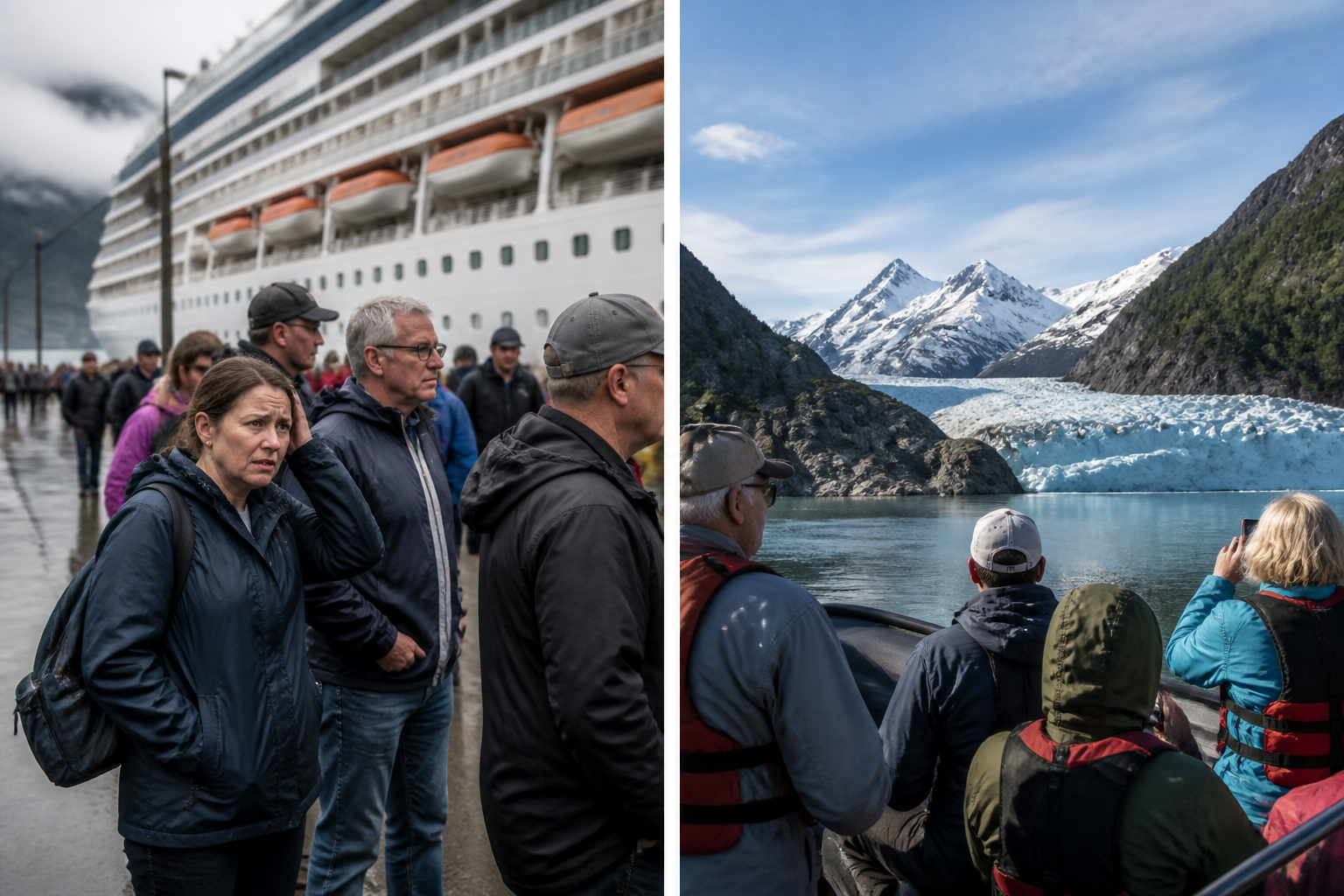
Five hours sounds like plenty—right up until a port day starts slipping away in 20-minute chunks. Dock walk. Check-in. Boarding. Safety talk. The ride out. Then the one thing cruise passengers can’t bargain with: all-aboard time. That’s why Wrangell Exploration Tours live or die on timing, not marketing copy. A half-day outing has to do more than show pretty water and distant mountains. It has to leave room for weather, loading, wildlife stops, and a clean return with enough buffer that nobody spends the last hour watching the clock.
Peak season raises the stakes. Boats fill faster, wildlife patterns shift with bait and salmon, and tide windows can tighten a glacier run by more than most visitors expect. The honest answer is that not every five-hour tour is built the same, even if the listing makes them sound close. Some are planned for people with a hard deadline. Some aren’t. And if a traveler gets just one shot at bears, ice, or whales on a single port day—that difference matters.
Why 5-hour wrangell exploration tours matter for cruise passengers with a hard return time
A ship ties up in the morning, two travelers step off with one hard rule: be back well before all-aboard. That’s where Wrangell Exploration Tours start to make sense—short enough for a port day, long enough to reach open water, wildlife zones, and ice routes that actually feel like Alaska.
The port-day math: dock walk, check-in, ride time, and safe return buffer
Blunt math. Cruise guests don’t have five free hours. They have closer to 6.5 on paper, then lose chunks to walking, check-in, and the return buffer that smart people refuse to trim.
- Dock walk and check-in: 15 to 30 minutes
- Transit to viewing areas: often about 1 hour each way
- Safe return buffer: 45 to 60 minutes
That leaves a tight middle. In practice, five-hour products can run too close in peak season if loading slows, another ship is in port, or wildlife action pulls boats lower into one busy lane.
What cruise guests are really buying on wrangell exploration tours: certainty, not just scenery
Scenery matters. Certainty matters more. The honest answer is that cruise visitors aren’t shopping for a jeep ride, urban walk, or random park stop—they’re buying a plan that gets them back without sweating the clock.
That’s why some travelers look at private group tours in Wrangell if they want tighter boarding, less waiting, and a cleaner head count (especially for family groups).
How peak season changes tour timing, crowd patterns, and wildlife odds
Peak season changes the whole rhythm. More boats. More radio chatter. Better wildlife odds in some weeks—but also more crowding near a canyon wall, seal haul-out, or glacier face.
Realistically, the sweet spot is a trip built with margin—enough time to watch, turn, and head back early if weather shifts or traffic stacks up.
Which wrangell exploration tours fit a half-day best during peak season
Five hours is enough for a real outing, but not enough for mistakes. In peak season, the best Wrangell Exploration Tours are the ones built around short dock transfers, fast boarding, and routes a captain can adjust on the fly — that last part matters more than glossy reviews.
Wildlife boat tours for guests who want whales, sea lions, otters, and a warm cabin
For cruise guests, Wrangell private boat tours usually fit the half-day window best because they keep the ride focused on active marine areas instead of burning time on long dead runs.
- Best fit: guests who want humpbacks, sea lions, otters
- Smart check: ask about cabin heat, bathroom access, and return buffer
A stable cat-style boat works better than a small open jeep-on-water feel (yes, some rides can feel like that), especially for photo gear and older travelers.
Glacier-focused runs for travelers chasing blue ice, seals, and iceberg fields
Blue ice is possible in five hours. Barely. Glacier runs depend on tide lanes, open water, and ice movement — a little like reading canyon weather, not following a park sidewalk. The honest answer is that guests should pick this only if they care more about ice than whales.
Bear observatory trips: what 5 hours can and can’t cover in salmon season
Can a bear trip fit? Sometimes. During salmon weeks, transfer time, trail rules, and viewing slots can squeeze the clock hard, and female bears with cubs can slow movement near the platform. That’s why Wrangell tour experiences tied to observatory access need tighter timing than standard wildlife runs.
River-based sightseeing for guests who want a wilder feel without losing the ship
But here’s the thing. River trips give guests a lower, closer look at birds, banks, and glacier-fed water without committing to a full national-park style day. For travelers who want something less urban and more raw — not factory tourism, not badges-and-bus lines — this is often the sleeper pick.
Search intent check: how to choose the right wrangell exploration tours before booking
Want the honest answer before booking Wrangell Exploration Tours? In peak season, five hours is enough for one strong outing, not two rushed ones—and that means fit matters more than flashy marketing.
Best fit for first-time visitors who want the classic Alaska look in one outing
For first-timers, the classic pick is simple: choose ice or wildlife, then stick with it. A glacier run gives that grand national-park look—blue ice, seals, open water—while a wildlife cruise leans into whales, sea lions, and the kind of canopy-to-coast scenery people expect from Alaska reviews.
- Choose glacier for iceberg photos and a cleaner half-day structure.
- Choose wildlife for more species and less tide pressure.
Best fit for photo-focused travelers who care about boat stability and viewing angles
Photo travelers should care less about badges like “premier outfitter” and more about hull design. Stable catamarans beat a bouncing jeep-style ride every time for long-lens shots—especially if the captain can slow, pivot, and hold a lower angle near floating ice (that’s what sharp images usually need).
Best fit for families and mixed-age groups worried about cold, bathrooms, and walking
Cold changes the math fast. Families should check three things before booking Wrangell Exploration Tours: covered seating, bathroom access, and how far anyone has to walk. If one guest hates cold wind—or a child melts down after 90 minutes—the whole outing can go sideways.
Best fit for guests comparing independent wrangell exploration tours with ship-sold excursions
Ship-sold trips feel safe on paper. Independent options often work better for travelers who want smaller groups, faster loading, and less waiting at the dock. For readers weighing private group tours wrangell, the smart move is to compare return-time padding, group size, and how operators handle weather—not brochure language.
What most listings leave out about wrangell exploration tours in peak season
About 1 in 3 peak-season departures shift their start time by 30 to 90 minutes once tide tables and boat access are checked that morning. That single detail changes how smart travelers judge Wrangell island tours and other Wrangell Exploration Tours options. Reviews tend to praise wildlife and ice, but the better listings also explain timing, loading, and comfort in plain terms.
Tide windows can change glacier routes—and that affects departure times
For glacier runs, tide windows aren’t small print. They’re the day. A route that looks open on paper can tighten fast, and a captain may shift departure to catch safer water rather than force a bad lane through chop, current, or floating ice from a landslide zone farther out.
- Best question to ask: Is departure tied to tide, or fixed no matter what?
- Good sign: The operator says the route may change.
Weather matters, but local boat design and captain judgment matter more
Wind matters. Hull shape matters more. In practice, a stable catamaran or well-set boat handles open water better than a boat chosen just for speed (even if the listing sounds flashy, almost like a jeep ad instead of a marine trip). Good Wrangell Exploration Tours don’t promise calm seas—they promise smart calls.
Bathroom access, walking distance, and loading style can shape the whole day
Small stuff? Not really. A 300-foot dock walk feels easy at noon—and long at all-aboard pace. Ask three things:
- Bathroom on board
- Step height when loading
- Shore walk after landing (gravel, ramp, or stairs)
Wildlife promises vs. honest expectations: what a good operator should say plainly
Here’s what most people miss: honest operators don’t guarantee whales, bears, or close seal shots every run. They should say what’s common, what’s less common, and what changes week to week—especially in peak season, when boat traffic is higher and animal patterns can shift. That’s the plain test.
How to judge whether wrangell exploration tours are worth your single port day
Longer doesn’t mean better. In peak season, the strongest Wrangell Exploration Tours aren’t the ones that stack a canyon, a park stop, a jeep ride, and three photo badges into one rushed block—they’re the ones built around the ship clock and real water conditions.
Signs a half-day tour is built for cruise timing, not vague vacation timing
A solid operator gives exact timing, not soft language. One good test is whether Wrangell excursions show a clear return buffer of 45 to 60 minutes before all-aboard, not a plan that lands right on the edge.
- Look for fixed duration, dock-close check-in, and same-day local crew
- Ask about weather calls, tide changes, and what happens if a route closes
- Skip tours that sound open-ended or read like general vacation options
The tradeoff between seeing more places and seeing one place well
More stops usually mean less seeing. A five-hour outing that spends real time on wildlife water or glacier ice beats a scattershot plan with lower viewing time, quick lane changes, and too much transit—like those old 2018, 2019, and 2020 package styles that tried to cram in everything from urban walks to factory visits.
Why a dependable 5-hour outing often beats a longer plan that cuts it too close
Here’s what most people miss: a five-hour plan leaves room for tide shifts, loading delays, and a slow return if seas build. That margin matters. Peak-season docks get busy.
Final call: what a strong peak-season wrangell exploration tour should deliver
- One main focus, done well
- Clear return timing
- Recent wildlife or glacier route judgment
- Crew who don’t guess
That’s the standard. If Wrangell Exploration Tours can’t meet it, they’re not worth a single port day.
Frequently Asked Questions
What to do in Wrangell from a cruise ship?
For a single port day, the smart move is a half-day trip with a clear return window. Wrangell Exploration Tours usually means three solid choices: wildlife by boat, a glacier run, or a river trip if conditions line up. The best pick is the one that gets guests back well before all-aboard—not the one with the longest wish list.
Is Wrangell worth visiting?
Yes. It’s one of the few cruise stops where a guest can get real wildlife, real ice, and real quiet in a matter of hours (which is rare on a ship schedule). People who want shops and an urban stop may feel underwhelmed; people who want open water, forest canopy, and a national-park kind of feel usually don’t.
What excursions are there in Wrangell?
The main options are wildlife cruises, glacier trips, river sightseeing, and bear-viewing days during salmon season. Some outfitters also run custom boat outings, but cruise passengers should stay focused on trips built for a dependable half-day return. That’s the difference between a good story and a bad afternoon.
What is the best excursion to do in Alaska?
The honest answer is that there isn’t one single best trip for every traveler. For guests with one port day, Wrangell Exploration Tours stand out because they can pack in whales, sea lions, seals, ice, or river scenery without turning the day into a timing gamble. If wildlife matters most, pick wildlife. If blue ice is the goal, go glacier.
How long should a Wrangell exploration tour be for cruise passengers?
About 3.5 to 5 hours works best. That gives enough time to leave town, reach the good viewing ground, and get back without crowding the ship’s schedule. Anything longer can work—but only if the timing is built around the ship, tide, and weather all at once.
Are Wrangell exploration tours safe in rough weather?
Usually, yes—if the captain plans around the conditions instead of fighting them. In practice, the better trips change route, speed, and even destination when the water turns sloppy, and that’s exactly what smart captains do. If a company talks big but doesn’t talk timing, tide, and safety, that’s a red flag.
Which is better for a short port stop: a wildlife tour or a glacier tour?
Wildlife tours are often the safer bet for short schedules because the captain can shift the route based on recent sightings and sea state. Glacier trips can be excellent too, but they can be more tide-sensitive—and that matters more than most visitors realize. Want the broadest Alaska feel in limited time? Wildlife usually wins.
Will guests actually see animals on Wrangell exploration tours?
No captain can promise that, and anyone who does is selling fantasy. Still, a well-run wildlife trip often turns up sea lions, otters, seals, and humpbacks, with harbor seals common near ice on glacier runs (and eagles are hard to miss). Realistically, the captain’s local read matters more than the tour name.
What should cruise passengers bring on Wrangell exploration tours?
Bring a warm jacket, a hat, and a camera you can handle with cold hands. Dry bags help, binoculars help more than people think, and snacks can save the mood on a 4-hour ride (especially for families). Leave the giant daypack in the closet unless the operator says you’ll need it.
How do guests choose between the different Wrangell exploration tour options?
Start with one question: what would ruin the day more—missing wildlife or missing the ship? From there, narrow it fast. Guests who want the highest odds of animal sightings should book wildlife; guests chasing blue ice and glacier faces should book glacier; guests who like river channels, canyon walls, and quieter scenery should look at the river trip if it’s available.
Five hours is enough to make a port day count, but only if the plan respects the clock as much as the scenery. That’s the real split between strong Wrangell Exploration Tours — the ones that look good on a listing but fall apart once tides shift, wildlife moves, or loading takes longer than expected. Cruise guests aren’t just picking a boat ride—they’re picking a return plan they can trust, a crew that knows how to read conditions, and an outing that matches their stamina, photo goals, and tolerance for cold or walking.
Peak season raises the stakes. Boats fill faster, wildlife patterns change week to week, and glacier runs can hinge on a narrow water window. A good half-day trip still works better than an overpacked day that leaves no margin—especially for travelers with a hard all-aboard time. And the honest operators say that plainly.
Before booking, readers should compare three things side by side: real dock-to-dock duration, bathroom and walking details, and how the tour handles tide or weather changes. Then pick the trip that does one Alaska experience well, not three halfway. That’s how a single port day turns into the part of the cruise people actually remember.
For more, check out What Is Contingency-Based Licensing Representation?.