


Most fireworks injuries are caused by a small number of predictable, avoidable mistakes. The behaviors that cause them appear consistently across injury data every season. Anyone searching for fireworks near me to plan a display should understand what not to do just as clearly as what products to buy. Knowing these behaviors before the display starts is the difference between a safe celebration and a preventable injury.
The Misfire Rule Most People Get Wrong
Returning to a failed firework too soon is the single most dangerous behavior during any consumer fireworks display. Most people underestimate how long a delayed ignition risk remains active.
What Actually Happens During a Delayed Ignition
A firework that appears to have gone out may still have an active ember burning inside the casing. Delayed ignition can occur minutes after the apparent failure. OSHA requires professional pyrotechnicians to follow strict unexploded shell protocols that include a minimum 15-minute wait before approaching any failed device. Consumer users should apply the same standard:
- Wait a minimum of 5 to 10 minutes before approaching any failed firework
- Never lean over or place any body part above a failed product
- Soak the product in a bucket of water before handling
- Keep all bystanders at a safe distance during the entire wait period
A firework that sat quietly for four minutes and detonated on the fifth is a documented pattern in consumer fireworks injury reports.
Location Mistakes That Turn Displays Dangerous
Where you set up a display matters as much as what products you use. The wrong surface or space removes safety margins that consumer fireworks are designed around.
Spaces and Surfaces to Avoid Before You Set Up
- Indoor or semi-enclosed spaces: Combustion gases and particulate matter reach dangerous concentrations within seconds. Never use any consumer firework product indoors regardless of size.
- Near parked vehicles: Sparks from aerial products travel further than most users expect. A vehicle within 30 feet is within ignition range of most consumer aerials.
- Dry grass and brush: Fountains and sparklers produce sparks that ignite dry vegetation within a 10 to 15 foot radius. Check the surface and surrounding area before placing any product.
- Under overhead obstructions: Trees, power lines, and roof overhangs deflect aerial products toward bystanders. A clear vertical path above the launch point is non-negotiable for any aerial product.
Set up on a flat, hard surface with a minimum 30-foot clearance from structures, vehicles, and flammable materials before lighting anything.
Why Modifying Fireworks Is Never Worth It
Consumer fireworks are manufactured to specific composition ratios and casing tolerances. Altering either changes the product in ways that produce unpredictable and dangerous results.
How Composition Changes Create Ground Level Hazards
Bundling products, removing composition from a casing, or combining multiple devices into one alters the explosive weight and burn rate beyond what the consumer casing is designed to contain. A 1.4G consumer product modified this way may produce effects equivalent to a professional display shell. When that happens at ground level rather than altitude, the result is shrapnel and burns rather than a visual effect. Specific behaviors to avoid:
- Removing pyrotechnic composition from any product casing
- Taping or bundling multiple products together to create a larger effect
- Inserting one firework into the tube or casing of another
- Using any product not in its original factory packaging from a licensed retailer
Homemade and modified fireworks account for a disproportionate share of the most severe consumer fireworks injuries recorded annually.
Children and Fireworks Require a Specific Plan
Injury data consistently places children under 15 among the most affected groups in consumer fireworks incidents every season. General supervision is not enough. A specific plan for children at any fireworks display reduces injury risk significantly.
Which Products Cause the Most Child Injuries
Sparklers cause a significant proportion of child fireworks injuries despite being widely considered the safest option. A sparkler burns at approximately 1,800 degrees Fahrenheit, hot enough to ignite clothing on direct contact. A clear plan for children at any display includes:
- Children under 12 should not handle any consumer firework including sparklers
- Children 12 and older should only handle wire sparklers under direct one-on-one adult supervision
- No child should stand in the lighting zone when aerial or ground effect products are being ignited
- The adult designated for lighting duties should have no other responsibilities during the display
Mixing fireworks lighting with child supervision, food preparation, or other activities divides attention at the moment it matters most.
Post-Display Cleanup Is Part of the Safety Protocol
Used fireworks retain heat and residual pyrotechnic composition long after the visible effect ends. Fires from improperly disposed products start hours after a display finishes, well after everyone has gone inside.
How to Neutralize and Dispose of Spent Products Correctly
- Soak all spent products for a minimum of 20 minutes: Full submersion in water neutralizes residual composition before any handling occurs
- Never place hot products directly in trash: Residual heat ignites surrounding materials inside bags and trash cans
- Avoid using cardboard for collection: Cardboard ignites readily from heat and ember transfer from spent casings
- Double bag after soaking: Wet fireworks placed directly in trash without bagging can dry out and retain ignition potential overnight
- Sweep the full display area: Spent casings, fuse remnants, and debris from aerial products all need to be collected and soaked before disposal
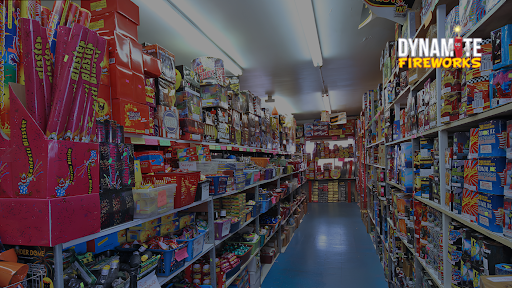
Post-display cleanup is one of the most overlooked steps in consumer fireworks safety. The fireworks near me resource for Hammond and Chicago area buyers is Dynamite Fireworks at 4218 Calumet Ave, Hammond, IN.
Know What Not to Do Before You Light Anything
The behaviors on this list cause the same injuries every season because most people don’t think about them until something goes wrong. Knowing them before the display starts changes that. Dynamite Fireworks carries products from manufacturers with clear safety labeling and accurate use instructions on every item. Staff can walk you through safe handling for any product before you leave the store. Browse current inventory at Dynamite Fireworks before your next celebration.