






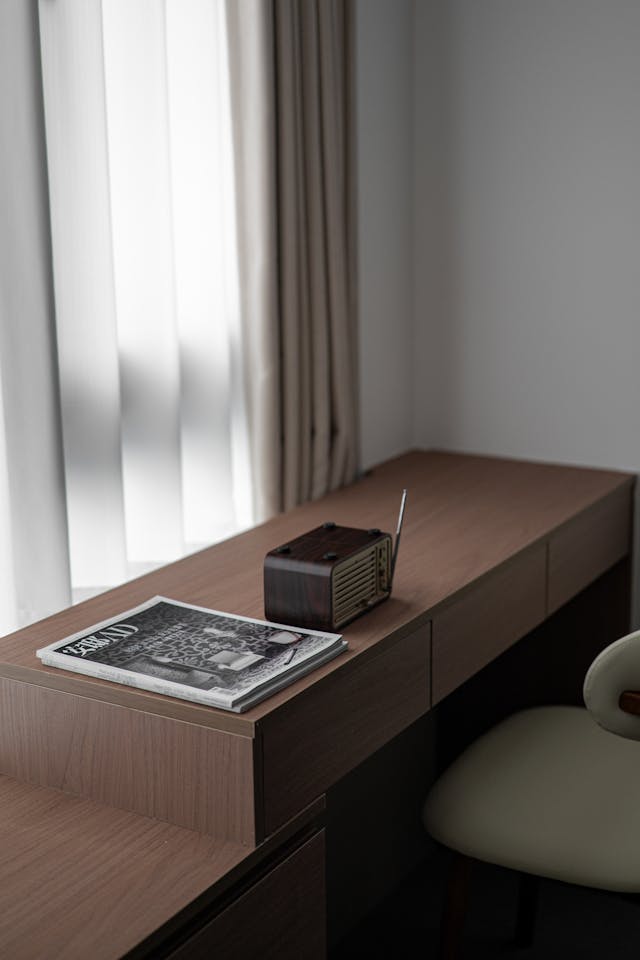
In the age of hybrid work and digital overload, many people are rediscovering an overlooked truth: your environment shapes your energy. Whether it’s a cluttered workspace or an overstuffed garage, disorganization quietly drains productivity, focus, and motivation. The state of our surroundings often mirrors the state of our minds — and cleaning them up can do more than just make things look neat. It can spark creativity, reduce stress, and even improve long-term happiness.
The Psychology of Space
Researchers in environmental psychology have long noted that clutter can trigger a subtle but persistent sense of anxiety. Every unfinished pile, misplaced tool, or messy shelf represents a small demand for your attention. Even when you’re not consciously thinking about it, that visual noise competes with your mental focus.
On the other hand, organized environments promote calmness and control. They give your brain fewer distractions to process, freeing mental energy for creativity, planning, and problem-solving. When you walk into a space that feels balanced and intentional, your body naturally responds — heart rate slows, cortisol drops, and your mindset shifts from reactive to proactive.
The Rise of Functional Design
During the pandemic years, millions of people learned just how vital their physical environment was to daily well-being. Home offices appeared in spare bedrooms. Basements turned into gyms. Garages became multi-purpose hubs for hobbies, storage, and small businesses.
This evolution has made functional design — spaces that are both beautiful and useful — a core part of modern living. Storage isn’t just about putting things away anymore; it’s about creating systems that work with your habits. Thoughtful organization supports better time management, smoother routines, and less daily frustration.
Take the garage, for example. What was once an overlooked part of the house is now being transformed into a productivity zone. With the right garage cabinets and layout, homeowners are turning messy catch-all spaces into clean, efficient workshops, fitness areas, or even creative studios. Organization systems like these make it easy to access tools, gear, and supplies — saving time and mental bandwidth for what really matters.
Small Changes, Big Shifts
You don’t need to hire a designer or undertake a full renovation to experience the benefits of organization. The most effective transformations start small. Here are a few proven strategies to create momentum:
-
Start with one area. Choose a single room, closet, or surface. Success in one space creates motivation to tackle others.
-
Declutter before you organize. Don’t just rearrange clutter — remove what no longer adds value.
-
Label and zone. Divide items by purpose: tools, seasonal decor, paperwork, etc. Clear labeling helps maintain the system long-term.
-
Invest in structure. Shelving, cabinets, and containers provide order and consistency — essential for keeping chaos from creeping back in.
-
Create daily reset routines. Spending just 10 minutes tidying up at the end of each day prevents clutter from accumulating again.
These small actions compound over time, reducing decision fatigue and making your home a place that supports your goals rather than distracts from them.
Organization as a Productivity Tool
There’s a direct connection between physical order and mental clarity. Professionals who work in organized environments report higher levels of satisfaction and lower levels of burnout. That’s because every decision you don’t have to make — like where something goes or how to find it — frees up cognitive resources for deeper work.
For entrepreneurs, creatives, and anyone pursuing personal growth, optimizing your space is like upgrading your software. It doesn’t just look good; it performs better. The payoff is focus, peace, and momentum — three qualities essential to success in any field.
Final Thoughts
In a world that prizes speed and constant connection, simplicity has become a luxury. Organizing your physical environment isn’t about perfectionism; it’s about reclaiming mental space. Every drawer you sort, every corner you clear, is a small act of self-respect — a reminder that your surroundings should serve you, not the other way around.
When you take control of your environment, you take control of your mindset. And once your space starts working for you, productivity stops feeling like a grind — it starts to feel natural.