






Navigating the contemporary financial landscape demands an integrated approach to personal credit management, strategic consumer debt utilization, and active participation in global capital markets. As personal finance architectures become increasingly digitized, consumer access to revolving credit lines, credit cards, and foreign exchange trading platforms has expanded dramatically. Achieving sustainable wealth preservation and financial independence requires moving beyond basic banking services. Individuals and institutional market participants must deploy structured credit optimization frameworks, optimize payment reward ecosystems, and implement rigorous risk management protocols across market environments.
Maintaining financial health across dynamic economic cycles relies on transparent debt management and deliberate capital allocation. Without a clear understanding of credit scoring algorithms, interest rate compounding, and market liquidity dynamics, consumers and investors face elevated borrowing costs, reduced purchasing power, and capital drawdowns. Furthermore, as foreign exchange trading networks and international payment processors evolve, mastering currency risk hedging, regulatory compliance, and brokerage selection becomes essential. Balancing prudent consumer credit strategies with sophisticated trading execution enables individuals to maximize net worth growth and secure long-term financial stability.
1. Consumer Credit Architecture, Credit Score Optimization, and Debt Management
Personal credit profiles serve as foundational financial assets, directly influencing interest rates on mortgages, auto loans, commercial financing, and revolving credit accounts. Credit scoring models calculate creditworthiness using complex algorithms that evaluate payment history, credit utilization ratios, credit history length, credit mix, and new credit inquiries. Maintaining a high credit score requires consistent on-time payments, keeping revolving credit utilization below 30% of total limits, and avoiding unnecessary hard inquiries.
Improving a damaged credit profile demands a structured approach to debt restructuring, credit report auditing, and credit line optimization. Dispute management, credit building cards, and debt consolidation strategies help consumers systematically eliminate high-interest liabilities and rebuild institutional credit trust. Individuals, financial planners, and consumers seeking practical credit repair advice, credit score building strategies, and personal finance management insights can consult dedicated financial platforms like Credit Cafe to optimize their personal credit profiles.
Core pillars of a disciplined credit score management strategy include:
- Credit Utilization Ratio Management: Maintaining total revolving debt balances significantly below total available credit limits across all revolving accounts.
- Systematic On-Time Payment Automation: Establishing automated minimum payments to guarantee zero late payment records on consumer credit reports.
- Credit Report Audit & Dispute Protocols: Routinely reviewing annual credit reports from major bureaus to identify and dispute reporting errors or unauthorized inquiries.
- Strategic Credit Line Expansion: Requesting periodic credit limit increases without soft or hard inquiries to artificially lower overall utilization ratios.
2. Premium Consumer Credit Cards, Rewards Ecosystems, and Financial Perks
Modern credit cards function as sophisticated consumer financial tools, offering robust fraud protection, flexible revolving lines of credit, and extensive rewards ecosystems. Selecting the optimal consumer credit card involves matching card benefit structures—such as cashback percentages, travel rewards points, sign-up bonuses, and low introductory APR offers—with individual spending habits. High-tier rewards credit cards provide substantial consumer value when balances are paid in full monthly to avoid interest charges.
Evaluating credit card offers requires analyzing annual fees, foreign transaction fees, balance transfer fees, and reward redemption flexibility. Consumers navigating US credit markets, premium rewards programs, and balance transfer credit cards can explore dedicated financial comparison portals such as US Creditcards to evaluate card offers and maximize payment rewards.
Key Criteria for Credit Card Portfolio Optimization
Maximizing financial returns from consumer payment cards requires evaluating several core product features:
- Introductory Balance Transfer APR Terms: Utilizing 0% APR balance transfer promotions to consolidate and eliminate existing high-interest credit card debt.
- Category-Specific Rewards Acceleration: Matching specific cards to primary spending categories—such as groceries, dining, gas, or travel—to earn maximum points per dollar spent.
- Travel Protections and Consumer Benefits: Leveraging built-in travel insurance, airport lounge access, purchase protection, and extended warranty coverage.
3. Canadian Foreign Exchange Trading, Brokerage Regulation, and Forex Strategies
The foreign exchange (forex) market is the largest and most liquid financial market in the world, operating 24 hours a day across major global financial hubs. Participating in forex trading requires trading currency pairs (such as CAD/USD, EUR/USD, or GBP/CAD) based on macroeconomic factors, interest rate differentials, central bank monetary policies, and technical price trends. Retail forex traders in Canada must navigate specific regulatory environments overseen by the Canadian Investment Regulatory Organization (CIRO) to ensure consumer protection and transparent trade execution.
Selecting a regulated forex broker in Canada involves evaluating regulatory licensing, execution speed, spread costs, overnight swap rates, trading platform features (such as MetaTrader 4/5 or cTrader), and available leverage limits. Canadian traders, forex investors, and financial market analysts seeking independent broker reviews, regulatory comparisons, and foreign exchange trading insights can research specialized market portals like Canadian Forex Brokers to select compliant, low-cost trading platforms.
4. Macroeconomic Drivers of Foreign Exchange and Currency Volatility
Understanding currency exchange rate movements requires analyzing fundamental economic indicators released by central banks and government statistical agencies. Central bank monetary policy decisions—specifically benchmark interest rate changes by the Bank of Canada, Federal Reserve, or European Central Bank—serve as primary catalysts for exchange rate shifts. Higher interest rates typically attract foreign capital inflows, strengthening the domestic currency relative to foreign counter-currencies.
Additional macroeconomic factors impacting forex valuations include inflation metrics (CPI), employment reports, trade balances, gross domestic product (GDP) growth, and commodity market prices. In commodity-exporter economies like Canada, currency valuations often demonstrate strong positive correlations with global crude oil and natural gas prices.
5. Technical Market Analysis, Chart Patterns, and Algorithmic Forex Trading
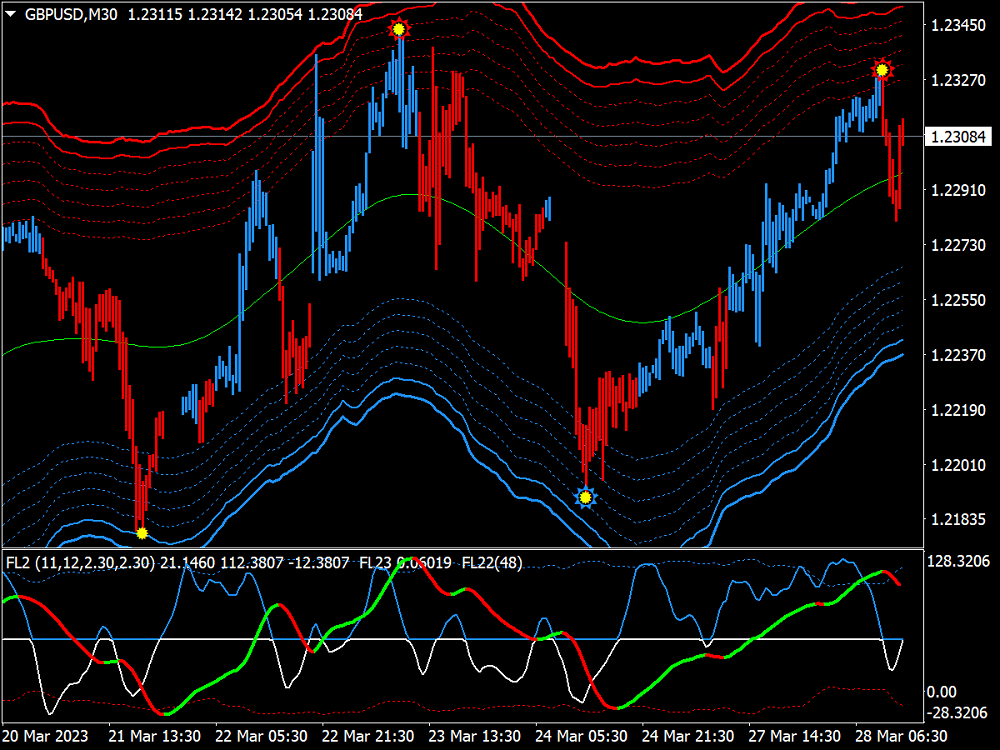
Executing precision forex trades relies on technical analysis, chart pattern recognition, and quantitative indicator modeling. Forex traders utilize trendlines, support and resistance levels, candlestick patterns, moving averages, and Fibonacci retracements to identify high-probability trade setups and optimal entry/exit levels. Implementing technical indicators—such as the Relative Strength Index (RSI) or Moving Average Convergence Divergence (MACD)—helps measure market momentum and overbought/oversold conditions.
Algorithmic and automated forex trading utilizes custom software scripts (Expert Advisors) to execute trades automatically based on predefined rules. Automated trading eliminates emotional bias, executes trades at high speed, and allows traders to backtest strategies against historical market data before committing live capital.
6. Risk Management, Leverage Control, and Trading Psychology
Risk management is the single most critical factor determining long-term survival and profitability in foreign exchange markets. Because forex trading frequently involves leverage—allowing traders to control large currency positions with relatively small margin deposits—uncontrolled leverage significantly amplifies both potential profits and catastrophic capital loss risk. Setting strict position sizing rules, risking only 1–2% of total trading equity per trade, prevents trading accounts from sustaining devastating drawdowns.
Enforcing mandatory stop-loss orders on every active position guarantees that adverse market moves are automatically contained within predefined loss limits. Developing trading discipline, maintaining an emotional trade journal, and adhering strictly to a written risk management plan prevents impulsive, emotion-driven trading mistakes.
7. Consumer Debt Restructuring, Consolidation, and Insolvency Prevention
When high-interest consumer debt outpaces income capacity, implementing structured debt relief solutions becomes mandatory to prevent severe insolvency. Debt consolidation involves combining multiple high-interest debts into a single lower-interest personal loan, simplifying monthly payments and accelerating principal reduction. Alternatively, entering a formal Debt Management Plan (DMP) through certified credit counseling services helps negotiate reduced interest rates and fee waivers with creditors.
For extreme financial distress scenarios, understanding statutory insolvency frameworks—such as Consumer Proposals or Bankruptcy filings—provides a structured legal pathway toward debt relief. While insolvency filings severely impact credit scores temporarily, they provide statutory protection from creditor collections and establish a clean legal slate to rebuild financial stability.
8. Wealth Building, Asset Allocation, and Capital Growth Strategies
Achieving long-term financial security requires transitioning from active debt management to passive wealth accumulation through strategic asset allocation. Diversifying investments across equities, fixed-income bonds, real estate, commodities, and currency positions hedges portfolio returns against market sector downturns. Index fund investing and low-cost exchange-traded funds (ETFs) provide broad market exposure while minimizing investment management fees.
Reinvesting dividends, utilizing tax-advantaged accounts (such as TFSAs and RRSPs in Canada or 401ks and IRAs in the US), and maintaining a long-term investment horizon leverages the compounding growth. Regular portfolio rebalancing guarantees that target risk-adjusted return allocations are maintained as asset values fluctuate across economic cycles.
9. Regulatory Compliance, Tax Reporting, and Financial Security
Managing credit and trading portfolios demands strict adherence to local tax reporting laws and financial security practices. Capital gains and losses generated from foreign exchange trading or investment dispositions must be accurately calculated and reported to tax authorities annually. Tracking acquisition costs, trade logs, and foreign currency conversion rates ensures full compliance with statutory tax obligations.
Protecting online financial accounts against cyber fraud, identity theft, and account takeover requires enforcing strong cybersecurity measures. Utilizing multi-factor authentication (MFA), monitoring bank statements weekly, freezing credit reports when not actively applying for loans, and avoiding unsecured public Wi-Fi networks safeguards financial assets against cyber threats.
10. Strategic Personal Finance and Trading Review Checklist
Maintaining strong credit health, optimizing consumer card benefits, and executing safe forex trading strategies requires regular evaluations across all financial accounts. Individuals and market participants should periodically review their financial posture using the following review framework:
- Credit Score & Profile Audit: Check credit utilization ratios, review credit bureau reports, and audit automated payment schedules.
- Consumer Card Optimization Check: Review credit card rewards balances, evaluate annual fee value, and check introductory balance transfer APR expirations.
- Forex Trading & Brokerage Review: Verify brokerage CIRO regulatory compliance, audit trading execution spreads, and review active risk management leverage controls.
- Tax & Security Inspection: Export annual trading transaction logs, update account passwords, and verify multi-factor security settings across financial institutions.
By systematically combining consumer credit optimization, strategic payment card usage, disciplined foreign exchange risk controls, and long-term asset allocation, individuals can build resilient financial foundations capable of sustained wealth creation.