






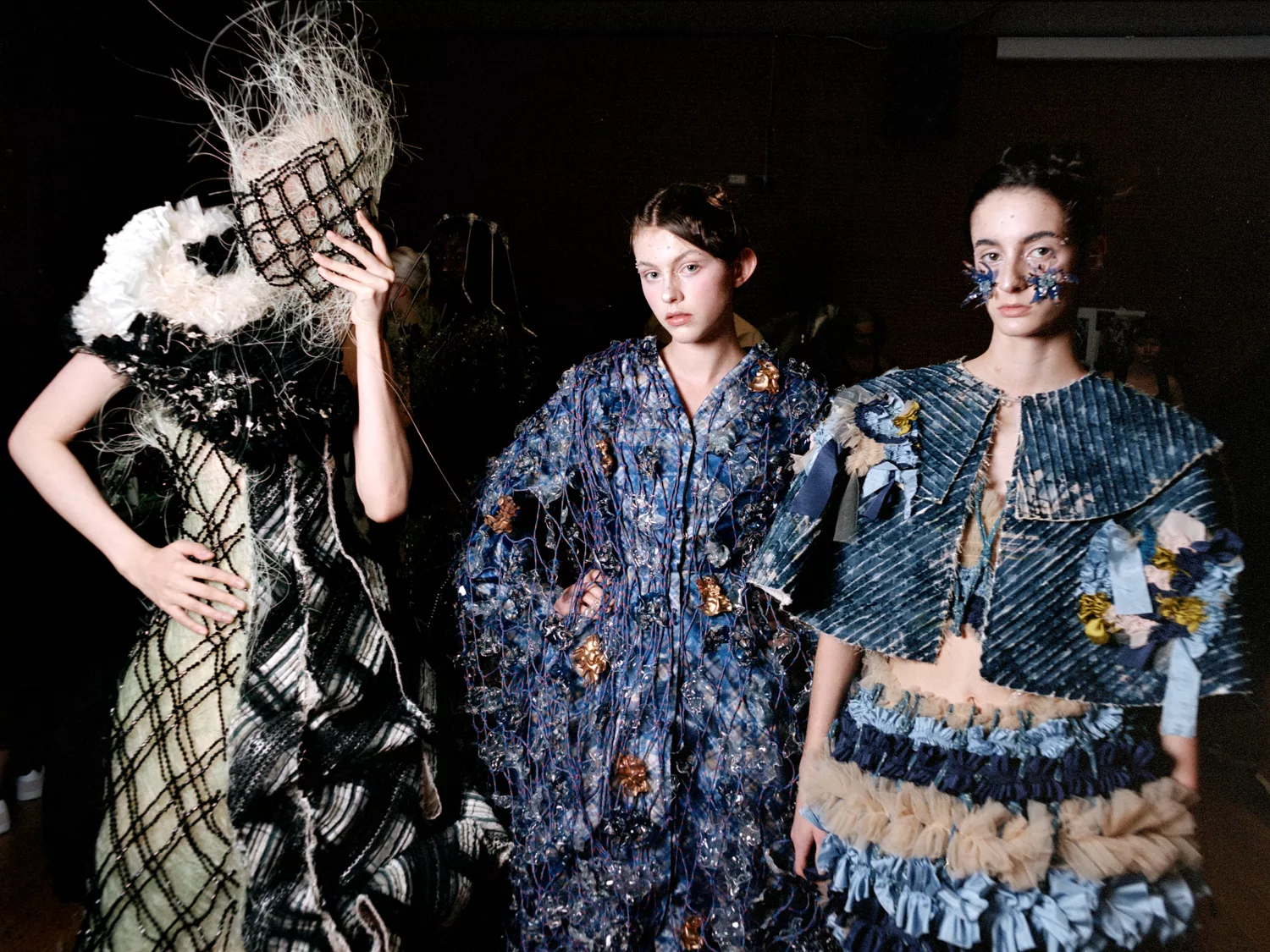
The global fashion and apparel industry serves as a dynamic intersection of personal identity, cultural heritage, and modern textile engineering. Navigating today’s sartorial landscape requires a multi-faceted approach that connects daily lifestyle aesthetics, regional manufacturing craftsmanship, and sustainable garment construction. As global style influences merge through digital media and cross-border trade, fashion conscious individuals and industry professionals must look beyond transient micro-trends. Establishing a structured approach to wardrobe planning, textile selection, and garment maintenance ensures an authentic, elevated personal presentation while supporting ethical and high-quality apparel ecosystems.
Sustaining a refined personal aesthetic demands an appreciation for both broad industry developments and localized textile traditions. Without an understanding of garment fit, fabric properties, and occasion-specific styling, individuals risk inconsistent wardrobe choices and premature apparel wear. Furthermore, as international garment hubs and niche regional textile markets gain widespread recognition, exploring European apparel craftsmanship and modern lifestyle trends becomes essential. Balancing contemporary lifestyle fashion with historical manufacturing quality allows individuals to build functional, timeless wardrobes that reflect true sartorial excellence.
1. Modern Lifestyle Fashion, Daily Style Integration, and Media Dynamics
Lifestyle fashion represents the fluid integration of personal style into daily routines, bridging the gap between high-fashion design concepts and functional everyday apparel. Contemporary lifestyle styling prioritizes versatility, comfort, and authentic self-expression. Building a modern lifestyle wardrobe involves selecting foundational pieces that transition effortlessly across diverse daily settings—from professional office environments and casual social gatherings to travel and leisure activities.
Staying informed on emerging lifestyle trends, fashion news, and cultural style shifts enables individuals to refine their personal aesthetic thoughtfully. Industry journalism and lifestyle publications provide vital commentary on runway movements, designer collaborations, and streetwear evolutions. Fashion enthusiasts, lifestyle bloggers, and style-conscious consumers seeking real-time fashion news, daily lifestyle inspiration, and modern wardrobe advice can explore dedicated media outlets like Fashion Life Style News to stay ahead of modern cultural trends.
Core pillars of modern lifestyle fashion integration include:
- Versatile Layering Strategies: Combining lightweight knits, structured outerwear, and breathable base layers to adapt to shifting daily schedules and climate conditions.
- Athleisure and Elevating Casualwear: Incorporating tailored loungewear, clean minimalist sneakers, and structured jackets into casual ensembles for a polished look.
- Smart Casual Dress Code Mastery: Pairing formal tailoring—such as blazers or trousers—with relaxed elements like high-quality tees or casual knitwear.
- Functional Accessory Pairing: Utilizing leather totes, versatile footwear, and subtle jewelry to complete daily outfits without compromising practical utility.
2. European Textile Heritage, Polish Apparel Manufacturing, and Craftsmanship
European apparel manufacturing has long been celebrated for its strict quality standards, precise tailoring, and rich textile traditions. Specifically, the Polish garment and textile industry represents a major manufacturing and design hub within Central Europe, known for exceptional outerwear, fine leather goods, precision tailoring, and high-grade linen production. Central European garment producers combine traditional artisanal techniques with modern, sustainable manufacturing technologies to produce durable, high-fashion apparel.
Exploring regional European fashion markets and Polish garment manufacturing provides valuable insights into high-yield textile production, ethical labor standards, and superior garment construction. Fashion buyers, boutique owners, and style enthusiasts interested in European apparel design, regional garment traditions, and Polish fashion showcases can consult specialized textile portals like Polish Clothes to evaluate European apparel craftsmanship.
Key Distinctions of European Garment Construction
Evaluating high-quality European apparel involves examining several critical manufacturing standards:
- Precision Seam Stress Point Reinforced Stitching: Utilizing high-density stitching patterns and reinforced seams to ensure long-term garment durability.
- Premium Natural Textile Selection: Sourcing high-grade natural fibers—such as Baltic linen, merino wool, and organic cotton—for superior breathability and tactile comfort.
- Anatomical Structural Pattern Making: Crafting garment patterns that contour naturally to human body mechanics, providing structural elegance without restricting movement.
3. Sustainable Textile Innovations, Circular Apparel, and Ethical Fashion
The contemporary fashion industry is undergoing an essential transformation toward sustainability, circular economic models, and eco-friendly manufacturing processes. Sustainable fashion prioritizes reducing environmental footprints through non-toxic fabric dyes, closed-loop water usage systems, and zero-waste pattern-making techniques. Supporting ethical apparel brands ensures fair working conditions and living wages for textile artisans and garment factory workers worldwide.
Adopting a sustainable wardrobe strategy involves choosing durable, high-quality garments over mass-produced, fast-fashion alternatives. Extending the lifespan of apparel through proper garment maintenance, professional repairs, and textile upcycling reduces landfill waste and promotes a responsible approach to personal style consumption.
4. Capsule Wardrobe Architecture and Personal Style Curation
Creating a functional capsule wardrobe relies on selecting a streamlined collection of versatile, high-quality garments that harmonize across multiple outfit combinations. A well-curated capsule wardrobe minimizes morning decision fatigue, reduces unnecessary consumption, and ensures a cohesive personal aesthetic. Essential foundational components typically include a tailored blazer, well-fitted trousers, classic neutral tees, versatile dress shirts, and high-quality outerwear.
Curating personal style involves identifying flattering garment silhouettes, preferred color palettes, and fabric textures that align with individual lifestyle needs. Integrating subtle trend accents into a foundational wardrobe keeps daily outfits feeling modern and dynamic without compromising overall sartorial longevity.
5. Precision Garment Tailoring, Alterations, and Body Fit Optimization
An impeccable fit is the single most defining characteristic of elevated style. Off-the-rack garment sizing is designed around generalized population averages, making professional tailoring an essential step for achieving a custom, high-end look. Simple structural alterations—such as tapering trouser legs, taking in suit jackets, or adjusting sleeve hems—dramatically improve garment drape and appearance.
Prioritizing fit over numerical sizing tags fosters a healthy, body-positive relationship with apparel. Clothing should be altered to fit and flatter the natural human form comfortably, enhancing physical confidence and overall poise in any environment.
6. Footwear Selection, Leather Care, and Accessory Integration
Footwear and accessories serve as the defining finishing touches that dictate the formal tone of any outfit. Choosing appropriate footwear—whether classic leather oxfords, hand-crafted boots, or minimalist leather sneakers—anchors an ensemble and provides essential ergonomic support for daily movement.
Maintaining leather goods and accessories requires routine cleaning, conditioning, and proper storage. Applying high-quality leather creams prevents drying and cracking, while utilizing cedar shoe trees maintains footwear shape and absorbs moisture after daily wear. Coordinating belts, watches, and bags creates a harmonious, visually polished presentation.
7. Textile Science, Fabric Maintenance, and Garment Preservation
Understanding the physical properties of different textiles empowers individuals to care for their apparel correctly and preserve garment quality over time. Natural fibers like wool, silk, and linen offer luxurious textures and breathability but require delicate washing cycles, specific water temperatures, and air-drying to prevent shrinkage or fiber distortion.
Storing seasonal apparel properly—using breathable fabric garment bags, padded hangers, and natural moth deterrents like cedar or lavender—protects delicate garments during off-season storage. Promptly treating fabric stains with gentle, non-bleaching cleansers preserves color vibrancy and fabric integrity.
8. Digital Personal Styling, Virtual Fitting Tools, and E-Commerce Integration
Advancements in digital technology have transformed how consumers discover, evaluate, and purchase apparel. Virtual fitting tools powered by augmented reality (AR) and artificial intelligence (AI) allow shoppers to preview garment sizing, color compatibility, and fabric drape remotely before making purchase decisions.
Leveraging digital style applications and online sizing calculators minimizes return rates and helps individuals build curated wardrobe collections aligned with their precise measurements and aesthetic preferences.
9. Seasonal Style Modifications and Environmental Fabric Selection
Adapting personal attire to seasonal changes is critical for maintaining physical comfort, thermoregulation, and skin health throughout the year. Cold winter climates necessitate heavy wool coats, thermal knitwear, and moisture-resistant footwear, whereas warm summer months demand lightweight, breathable weaves like linen, seersucker, and open-weave cotton.
Executing smooth seasonal transitions involves cleaning off-season garments thoroughly before storage, reorganizing closet spaces for accessibility, and updating daily outfit layering based on ambient weather forecasts.
10. Strategic Personal Wardrobe Review Checklist
Maintaining a functional, high-quality, and stylish wardrobe requires periodic evaluations across all apparel categories. Individuals and wardrobe consultants should systematically evaluate their apparel strategy using the following framework:
- Lifestyle Wardrobe Audit: Assess daily outfit versatility, identify missing foundational items, and remove worn out garments.
- Garment Craftsmanship Check: Inspect seam stitching quality, examine fabric composition tags, and evaluate European manufacturing origin.
- Tailoring & Fit Inspection: Try on core tailored pieces, mark necessary sleeve or hem adjustments, and consult a professional tailor.
- Textile Maintenance Review: Clean off-season apparel, condition leather footwear, and organize storage using structured hangers and breathable garment bags.
By systematically combining contemporary lifestyle style awareness, European apparel craftsmanship, sustainable wardrobe practices, and precision garment care, individuals can build a timeless, functional wardrobe that projects confidence and sartorial distinction.