





Building a thriving commercial venture in the modern global economy demands an integrated approach to strategic planning, operational discipline, and continuous personal leadership development. Executives and startup founders navigate an increasingly complex marketplace where technological innovation, shifting consumer behaviors, and rapid economic cycles dictate business viability. Sustainable enterprise growth requires moving beyond immediate tactical execution to establish robust operational foundations. Balancing long-term strategic vision with daily execution allows entrepreneurs to adapt to market disruptions, optimize resource allocation, and build enduring market value.
Achieving commercial success relies heavily on cultivating a disciplined entrepreneurial mindset alongside sound business mechanics. Without continuous personal growth and structured strategic planning, scaling ventures face operational bottlenecks, leadership fatigue, and misaligned business goals. Furthermore, as startup incubators and digital venture ecosystems continue to expand, mastering early-stage capital management, mentor networks, and go-to-market strategies becomes essential. Harmonizing personal leadership development with proven venture incubation strategies enables founders to navigate commercial challenges effectively and maximize their potential for long-term venture success.
1. Nurturing Personal Success, Growth Mindset, and Executive Resilience
An enterprise’s growth potential is often directly linked to the personal development and leadership resilience of its founder or executive team. Navigating the unpredictable ups and downs of business ownership requires high emotional intelligence, continuous skill acquisition, and a proactive growth mindset. Personal success strategies focus on developing effective time management habits, setting clear performance benchmarks, and cultivating mental clarity under high-pressure scenarios.
Investing in continuous personal leadership development prevents executive burnout and fosters an organizational culture centered on continuous improvement. Business leaders, aspiring founders, and career professionals seeking practical perspectives on personal development, strategic goal setting, and professional success routines can explore dedicated educational platforms like Nurturing Your Success Blog to strengthen their personal leadership frameworks.
Core pillars of personal leadership development include:
- Strategic Goal Alignment: Establishing clear, measurable personal and professional objectives that drive daily operational priorities.
- Time and Energy Management: Structuring daily routines to prioritize high-value strategic tasks while delegating administrative duties.
- Emotional Resilience and Stress Mitigation: Developing coping mechanisms and mental clarity to navigate high-stakes decision-making environments.
- Continuous Skill Acquisition: Engaging in lifelong learning, executive coaching, and industry training to stay ahead of market trends.
2. Startup Incubation, Early-Stage Ideation, and Venture Acceleration
Transforming an innovative business concept into a commercially viable, scalable startup requires structured incubation and systematic market validation. Early-stage entrepreneurs must rigorously test product-market fit, refine value propositions, and design scalable business models before committing significant capital. Startup incubators and accelerators play a crucial role in providing early-stage ventures with workspace infrastructure, seed capital access, and strategic mentorship from seasoned industry veterans.
Navigating the early stages of venture creation involves building minimal viable products (MVPs), conducting target audience interviews, and establishing lean operational workflows. Founders, early-stage investors, and startup teams seeking comprehensive guides on venture incubation, startup strategy, and seed-stage expansion can consult specialized entrepreneurial portals such as Startup Cradles for actionable venture creation frameworks.
Key Phases of Early-Stage Venture Development
Building a scalable startup from the ground up requires systematic execution across several foundational operational milestones:
- Problem-Solution Validation: Verifying through customer discovery that a significant market pain point exists and that the proposed solution offers clear value.
- Minimal Viable Product (MVP) Launch: Releasing a core functional version of the product to collect real-world user feedback and usage metrics quickly.
- Business Model Iteration: Refining pricing structures, customer acquisition channels, and unit economics based on early market data.
3. Specialized Business Coaching, Personal Branding, and Executive Guidance
Accelerating business growth often requires direct mentorship and structured coaching tailored to an executive’s specific industry and personal goals. Specialized business coaching helps founders identify operational blind spots, streamline sales funnels, and refine executive communication. Building an authentic personal brand alongside enterprise marketing establishes founder authority, attracts top-tier talent, and builds trust with prospective investors and enterprise clients.
Working with experienced business mentors provides accountability and actionable strategic roadmaps for scaling operations. Entrepreneurs, sales professionals, and business owners looking for tailored business growth strategies, personal coaching insights, and mentorship models can consult dedicated advisory platforms like Success With Taylor to elevate their commercial strategies.
4. Strategic Financial Planning, Seed Capital, and Burn Rate Management
Managing financial capital during the early stages of enterprise development requires extreme discipline and accurate cash flow forecasting. Early-stage startups often fail due to premature capital depletion before achieving sustainable profitability or securing follow-on funding rounds. Founders must carefully monitor their monthly burn rate, runway length, and customer acquisition costs (CAC) relative to customer lifetime value (LTV).
Securing appropriate funding—whether through boot-strapping, angel investors, venture capital, or government innovation grants—depends on presenting clear financial projections and a realistic path to profitability. Establishing transparent financial reporting systems builds investor confidence and ensures capital is deployed effectively toward high-growth initiatives.
5. Agile Product Development and Lean Management Frameworks
Adopting lean management and agile product development frameworks enables startups and scaling enterprises to operate with high agility. Breaking down large operational goals into short development sprints allows teams to release product iterations rapidly, respond to user feedback, and adapt to shifting market conditions. Lean principles focus on eliminating operational waste, streamlining workflow processes, and maximizing customer value delivery.
Utilizing centralized digital project management software provides real-time visibility into development schedules, team performance, and resource allocation. Maintaining transparent task dashboards fosters team accountability and prevents scope creep during fast-paced growth phases.
6. Regulatory Compliance, Intellectual Property, and Corporate Structuring
Establishing a compliant legal structure is a mandatory foundational step for any new enterprise. Founders must select appropriate legal entities—such as LLCs, corporations, or holding structures—based on tax implications, liability isolation, and future equity financing plans. Properly registering business entities, securing local licenses, and maintaining statutory corporate compliance protects owners from personal legal liability.
Protecting intellectual property (IP) through patents, trademarks, copyrights, and non-disclosure agreements (NDAs) safeguards proprietary technology and brand assets. Securing IP rights early enhances enterprise valuation and creates defensible market moats against potential competitors.
7. Talent Acquisition, Organizational Culture, and Team Building
An enterprise’s ultimate scaling capacity depends on the quality and alignment of its human capital. Recruiting early employees requires identifying mission-driven individuals who possess both technical competence and adaptability to thrive in fast-changing startup environments. Offering equity incentives, competitive compensation, and clear professional development paths attracts high-performing talent to early-stage ventures.
Fostering an inclusive, transparent corporate culture centered on accountability and innovation improves employee engagement and retention. Establishing clear performance metrics and open communication channels aligns individual team contributions with overall corporate objectives.
8. Digital Growth Marketing, Customer Funnels, and Brand Position
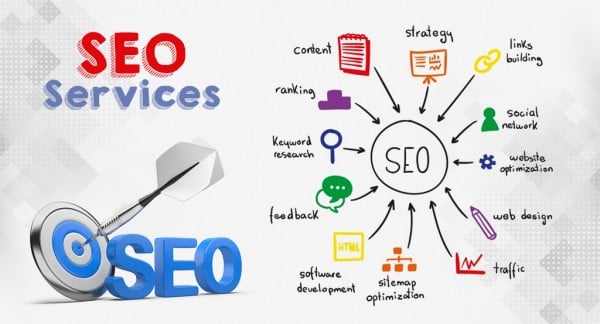
In a digital-first commercial environment, building efficient customer acquisition funnels is essential for driving predictable revenue growth. Strategic digital marketing combines content marketing, search engine optimization (SEO), performance advertising, and email automation to guide prospective leads through the sales pipeline. Delivering educational content establishes brand authority and lowers long-term customer acquisition costs.
Optimizing landing page conversions through continuous A/B testing and user behavior analysis maximizes marketing spend efficiency. Utilizing automated customer relationship management (CRM) tools enables personalized follow-up at scale, increasing conversion rates and customer retention.
9. Enterprise Risk Mitigation and Contingency Planning
Proactive risk management involves identifying, assessing, and mitigating potential operational, financial, and market risks before they threaten business continuity. Establishing risk mitigation protocols, maintaining adequate corporate insurance coverage, and securing emergency credit reserves protects the enterprise against unexpected market downturns or operational disruptions.
Developing robust disaster recovery and data backup plans ensures that critical business operations can resume quickly following technical failures or cyber incidents. Regular risk assessments guarantee that internal controls keep pace with business growth and evolving security threats.
10. Strategic Entrepreneurial Development Checklist
Ensuring overall enterprise health and personal leadership effectiveness requires systematic self-evaluations and operational audits. Executive leadership teams should periodically review their posture using the following review checklist:
- Personal Leadership Audit: Review personal goal alignment, evaluate executive stress management habits, and engage in continuous learning.
- Venture Incubation Check: Assess MVP feedback metrics, evaluate product-market fit data, and refine unit economics models.
- Coaching & Branding Review: Audit founder personal brand messaging, review mentorship feedback, and optimize sales funnel conversions.
- Financial & Legal Inspection: Monitor monthly burn rate, verify statutory tax compliance, and update intellectual property protections.
By systematically combining personal leadership development, structured venture incubation, specialized executive coaching, and disciplined financial management, entrepreneurs can build scalable, resilient enterprises capable of achieving long-term commercial success.