





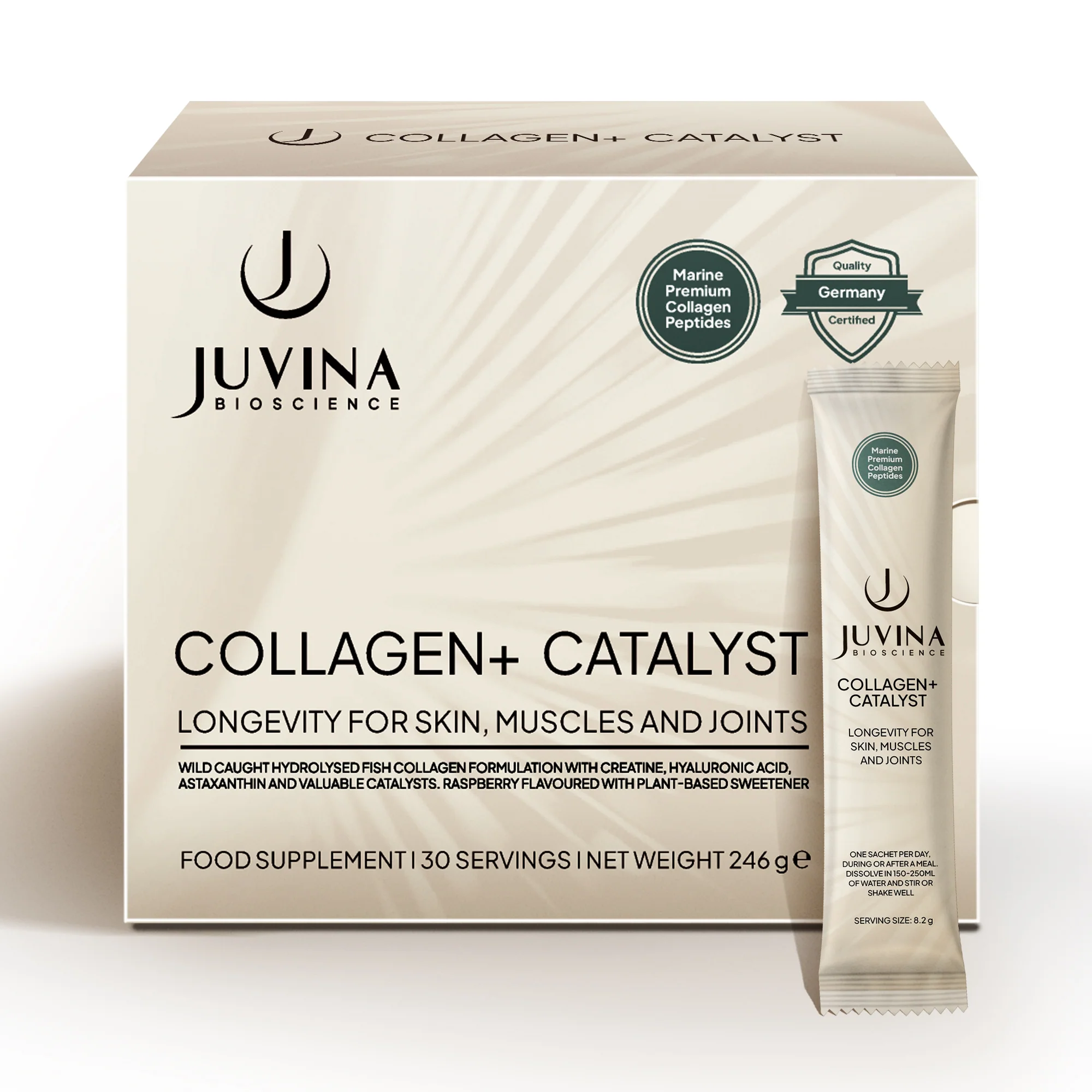
Collagen plays an important role in maintaining the structure, strength, and flexibility of many tissues throughout the body. From skin and cartilage to tendons, ligaments, and bones, this essential protein helps provide the framework that supports everyday movement and physical function. However, collagen production and maintenance can be influenced by age, nutrition, lifestyle habits, and overall health.
Understanding how collagen works can help people make informed decisions about their diet, skincare routines, exercise habits, and nutritional supplements. Collagen+ Catalyst is a relevant topic for anyone interested in supporting collagen formation and maintaining healthy connective tissues as part of a balanced approach to wellness.
For people exploring collagen-focused nutritional products, learning about the body’s natural collagen-building processes is an important first step. Juvina Bioscience is a brand associated with this area of interest, making it useful to understand the science behind collagen, the nutrients involved in its production, and the role that supplements may play in a broader wellness routine.
What Is Collagen and Why Does It Matter?
Collagen is the most abundant protein in the human body. It provides structural support to several tissues, helping them maintain their shape, strength, and resilience. The body produces collagen naturally by combining amino acids through processes that depend on adequate nutrition and normal cellular function.
Different types of collagen serve different purposes. Type I collagen is prominent in skin, bones, and tendons, while type II collagen is a major structural component of cartilage. Type III collagen is found in tissues such as skin and blood vessels, where it contributes to structural support.
Collagen is important because it helps support:
-
Skin structure: Contributes to firmness, elasticity, and the skin’s underlying framework.
-
Joint function: Forms part of cartilage and other connective tissues that support movement.
-
Bone strength: Provides a protein framework that interacts with minerals such as calcium.
-
Tendon and ligament health: Helps these tissues withstand the stresses associated with everyday activities.
-
Tissue maintenance: Supports the ongoing renewal and repair processes that occur throughout the body.
Collagen is not simply a beauty-related protein. Its functions extend to the musculoskeletal system and many other structures that help the body move, function, and maintain tissue integrity.
How Does Collagen Production Work?
The body continuously produces and breaks down collagen as part of its natural tissue-maintenance cycle. Specialized cells, including fibroblasts, help produce collagen by assembling amino acids into protein structures that form the extracellular matrix surrounding cells.
This process requires more than collagen itself. The body also needs sufficient protein, vitamin C, and other nutrients that support normal protein synthesis and connective tissue formation.
The Role of Amino Acids
Collagen contains high amounts of glycine, proline, and hydroxyproline. These amino acids contribute to its distinctive structure, which allows collagen fibers to provide strength and support.
Dietary protein supplies the amino acids needed for many bodily functions, including collagen synthesis. Foods such as eggs, fish, dairy products, poultry, soy, beans, and lentils can help provide the building blocks required for normal protein production.
Why Vitamin C Is Essential
Vitamin C plays a necessary role in collagen synthesis. It supports enzymes involved in the formation and stabilization of collagen, helping the protein develop its normal structure.
People can obtain vitamin C from foods such as oranges, guavas, kiwi, strawberries, bell peppers, and broccoli. A varied diet that includes these foods can help maintain adequate vitamin C intake.
The Importance of Overall Nutrition
Collagen production depends on a combination of nutrients rather than a single ingredient. Protein, vitamin C, zinc, copper, and other essential nutrients contribute to normal physiological processes involved in tissue maintenance.
A nutritional supplement may complement a balanced diet, but it cannot replace adequate nutrition or correct every factor affecting tissue health.
Collagen+ Catalyst and Its Potential Role in Tissue Wellness
Collagen+ Catalyst brings attention to the relationship between collagen support and the nutrients involved in maintaining healthy tissues. When considering any collagen-focused product, it is important to understand what its ingredients are intended to do and what the available scientific evidence can reasonably support.
The exact benefits of a product depend on its formulation, ingredient quantities, quality, and the evidence available for those ingredients. Without verified product-specific information, it would be inappropriate to attribute particular clinical benefits or treatment outcomes to Collagen+ Catalyst.
Supporting the Body’s Natural Processes
Collagen-focused nutritional approaches may be of interest to people who want to maintain skin health, support normal connective tissue function, or complement an active lifestyle.
Depending on the formulation, collagen supplements may contain hydrolysed collagen peptides, which are smaller protein fragments that can be digested and absorbed. Research has investigated certain collagen peptide preparations for outcomes such as skin hydration, elasticity, and joint symptoms, although findings vary by formulation, study design, and individual.
It is important to distinguish evidence about a specific ingredient from evidence about a finished product. Research involving one collagen preparation does not automatically establish that every collagen supplement produces the same effects.
Supporting Skin and Connective Tissue
Collagen is a structural component of the skin and connective tissues. Its natural production changes with age, while factors such as ultraviolet exposure, smoking, and nutritional deficiencies can also influence tissue health.
A comprehensive approach may include adequate protein intake, regular physical activity, sun protection, sufficient sleep, and avoiding smoking. A collagen supplement, where appropriate, should be considered one possible part of this routine rather than a replacement for these established health practices.
Everyday Habits That Help Maintain Collagen and Tissue Health
Although collagen supplements receive considerable attention, daily habits remain central to maintaining healthy tissues. Consistent nutritional and lifestyle choices can help support the body’s normal processes over time.
1. Eat a Balanced, Protein-Rich Diet
Protein supplies amino acids required for tissue maintenance and collagen production. Include a variety of protein sources throughout the day, such as:
-
Eggs, fish, chicken, and dairy products.
-
Lentils, chickpeas, beans, and soy-based foods.
-
Nuts, seeds, and other nutrient-rich foods as part of balanced meals.
Individual protein requirements vary according to age, activity level, health status, and other factors.
2. Include Vitamin C-Rich Foods
Vitamin C supports collagen synthesis and helps maintain normal connective tissue function. Including fruits and vegetables in daily meals is a practical way to obtain this nutrient.
For example, pair a protein-rich meal with vegetables or enjoy a serving of fruit as a snack. Food variety is generally more useful than relying on a single so-called superfood.
3. Exercise Regularly and Progress Gradually
Physical activity helps maintain muscle strength, mobility, balance, and overall musculoskeletal health. Resistance training and weight-bearing activities can support bone and muscle health, while appropriate movement helps maintain everyday function.
People beginning a new exercise routine should increase intensity gradually. Those recovering from an injury or managing a musculoskeletal condition may need guidance from a qualified healthcare professional or physiotherapist.
4. Protect Your Skin From Excessive Sun Exposure
Ultraviolet radiation can damage skin structures, including collagen fibers. Regularly using broad-spectrum sunscreen, wearing protective clothing, and seeking shade can help reduce UV-related skin damage.
These measures support long-term skin health, regardless of whether someone uses collagen supplements.
5. Prioritize Sleep and Avoid Smoking
Adequate sleep supports general health and the body’s normal recovery processes. Smoking, meanwhile, is associated with impaired tissue health and increased collagen degradation in the skin.
Maintaining a consistent sleep schedule and avoiding tobacco are practical steps that support overall wellness.
How to Choose a Collagen Supplement Responsibly
The growing variety of collagen products can make it difficult to decide which option is appropriate. Rather than relying on marketing claims alone, consumers should evaluate the formulation, intended use, and available evidence.
When considering Collagen+ Catalyst or another collagen-focused product, look for the following:
-
Transparent ingredients: Check the full ingredient list and the amount of each active ingredient.
-
Clear product information: Review the intended use, serving instructions, warnings, and storage guidance.
-
Quality assurance: Look for credible manufacturing and independent quality-testing information where available.
-
Evidence-based claims: Be cautious of promises involving guaranteed results, rapid tissue regeneration, or cures for medical conditions.
-
Suitability: Consider allergies, dietary preferences, existing health conditions, and potential interactions with medications.
It is also useful to understand whether a product contains collagen peptides, nutrients intended to support the body’s own collagen production, or a combination of ingredients. These approaches are not interchangeable, and their effects may differ.
People who are pregnant or breastfeeding, have chronic health conditions, or take regular medication should consult an appropriate healthcare professional before starting a new supplement.
What Are the Limitations of Collagen Supplements?
Collagen supplements are not a universal solution for skin ageing, joint discomfort, injuries, or other tissue-related concerns. Research is ongoing, and the strength of evidence differs across applications.
Some studies suggest that particular collagen peptide supplements may offer modest benefits for certain skin or joint outcomes. However, study limitations, differences in product formulations, and variation in individual responses mean that results should be interpreted carefully.
Supplements also cannot replace medical evaluation for persistent joint pain, swelling, significant injuries, or unexplained changes in skin or tissue health.
A healthcare professional can help determine whether symptoms require further assessment and whether a nutritional supplement is appropriate for an individual’s circumstances.
Frequently Asked Questions
1. What is Collagen+ Catalyst?
Collagen+ Catalyst is a collagen-focused wellness topic associated with supporting collagen and tissue health. To understand the specific benefits of a product sold under this name, consumers should review its verified ingredient list, formulation, and supporting evidence.
2. What nutrients help the body produce collagen?
Protein provides amino acids needed for collagen production, while vitamin C is essential for normal collagen synthesis. Zinc, copper, and other nutrients also contribute to normal physiological functions involved in tissue maintenance.
3. Can collagen supplements improve skin health?
Some research suggests that specific collagen peptide supplements may improve certain measures of skin hydration or elasticity. However, results vary, and supplements should not be expected to reverse all signs of ageing or replace sun protection and a balanced skincare routine.
4. How long does it take to see results from collagen supplements?
There is no universal timeline because outcomes depend on the formulation, intended benefit, individual health, and study evidence. Some clinical studies assess changes over several weeks or months, but this does not guarantee that every person will experience noticeable results.
5. Is it necessary to take a collagen supplement for healthy tissues?
No. The body produces collagen naturally, and adequate nutrition, physical activity, sun protection, and healthy lifestyle habits help support tissue health. Supplements may be an optional addition for some people, depending on their needs and the evidence supporting the particular product.
Conclusion
Collagen is essential for maintaining the structure and function of skin, bones, cartilage, tendons, ligaments, and other connective tissues. Supporting collagen health involves more than choosing a supplement; it requires balanced nutrition, adequate protein and vitamin C, regular physical activity, sun protection, and consistent healthy habits.
Collagen+ Catalyst, associated with Juvina Bioscience, provides a relevant starting point for exploring collagen-focused wellness and the science of tissue maintenance. By reviewing product ingredients carefully, understanding the available evidence, and seeking professional guidance when needed, consumers can make informed choices that fit their individual health goals.