



Herniated disc surgery in Mesquite is considered when a damaged spinal disc puts pressure on nearby nerves and causes persistent pain, numbness, or weakness. Although many people recover with nonsurgical treatment, an operation may be recommended when symptoms continue to interfere with daily activities or when nerve function is getting worse. The main goal is to remove the material pressing on the nerve and help restore comfortable movement.
Surgery is not based on pain alone. A spine surgeon reviews your medical history, performs a physical examination, and may request an MRI to identify the affected disc. The scan must match your symptoms and examination findings before surgery is recommended. If you develop new bladder or bowel control problems, numbness around the groin, or rapidly worsening weakness, seek emergency medical care because urgent treatment may be necessary.
Types of Herniated Disc Surgery
The type of surgery depends on whether the damaged disc is in the lower back or neck, how much pressure it places on nearby nerves, and whether the spine is stable. Your surgeon will explain which procedure best fits your condition and whether a less invasive approach is appropriate.
1. Microdiscectomy
A microdiscectomy is a common operation for a herniated disc in the lower back. It removes the portion of the disc that presses on a spinal nerve while leaving most of the disc in place. Surgeons use magnification and specialized instruments to reach the affected area through a relatively small incision.
This procedure is often considered for people with persistent sciatica, which causes pain that travels from the lower back into the buttock and leg. By relieving nerve pressure, surgery may reduce leg pain and improve movement. However, recovery of numbness or muscle strength can take longer, especially if the nerve has been compressed for an extended period.
2. Minimally Invasive Discectomy
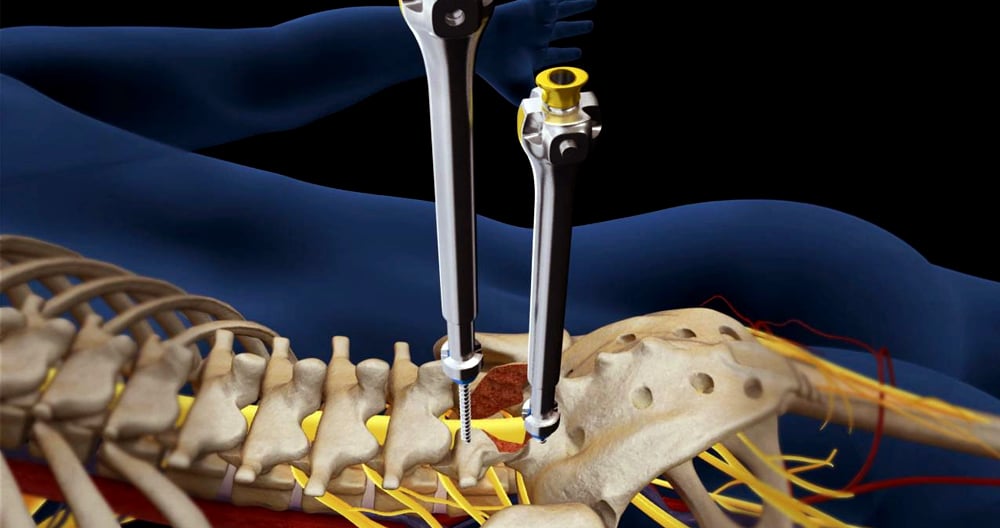
Minimally invasive herniated disc surgery in Mesquite uses small incisions and specialized instruments to reach the damaged disc while limiting disruption to surrounding muscles. Depending on the technique, the surgeon may use a microscope, a small camera, or tubular instruments to view the surgical area and remove the material pressing on the nerve.
Potential advantages include less tissue disruption, reduced blood loss, and a shorter initial recovery for suitable patients. Many procedures are performed on an outpatient basis, allowing patients to return home the same day. However, minimally invasive surgery is not appropriate for every spinal problem, and a smaller incision does not eliminate surgical risks.
3. Cervical Discectomy and Fusion
When a herniated disc in the neck compresses a nerve or the spinal cord, a surgeon may recommend an anterior cervical discectomy and fusion, commonly called ACDF. The surgeon approaches the spine through the front of the neck, removes the damaged disc, and places a spacer or bone graft between the affected vertebrae. A plate or other hardware may be used to help maintain stability while the bones heal together.
This procedure may help relieve neck-related arm pain, numbness, and certain symptoms caused by spinal cord compression. Because fusion joins two vertebrae, movement at that level is reduced. Depending on the patient’s condition, an artificial disc replacement or another procedure that preserves movement may also be worth discussing.
4. Decompression Procedures
Some patients have a herniated disc along with a narrowed space around the spinal nerves. In these cases, a surgeon may perform a decompression procedure, such as a laminotomy, to create more room for the affected nerve. This involves removing a small amount of bone or nearby tissue to reach or relieve the compressed area.
The surgeon may combine decompression with a discectomy when necessary. Spinal fusion is not routinely required for every herniated disc, but it may be considered when instability or another structural problem makes additional support necessary. Your specialist should explain why a particular combination of procedures is being proposed.
What Happens During Herniated Disc Surgery?
Before surgery, the medical team reviews your health history, medications, allergies, imaging, and anesthesia needs. You may receive instructions about eating, drinking, and taking certain medicines before the procedure. Tell your surgical team about blood thinners, supplements, diabetes, smoking, and any other health conditions that could affect your recovery.
During a typical lumbar microdiscectomy, you receive general anesthesia and are positioned so the surgeon can safely reach the affected part of the spine. A small incision is made in the back, and the muscles are gently moved aside to expose the surgical area. Using magnification and specialized tools, the surgeon removes the disc fragment that is pressing on the nerve.
The incision is then closed, and you are monitored in a recovery area as the anesthesia wears off. A straightforward microdiscectomy may take approximately 30 to 60 minutes, although preparation and recovery increase the total time spent at the surgical facility. Many patients go home the same day after their team confirms that they are stable, can move safely, and have appropriate instructions for home care.
Benefits and Risks of Herniated Disc Surgery
The primary benefit of surgery is relief from pressure on an affected nerve. For appropriately selected patients, this may reduce radiating arm or leg pain and improve the ability to walk, sleep, work, and complete everyday tasks. Surgery may also help prevent further nerve damage in certain situations, although the outcome depends on the severity and duration of compression.
Every operation carries potential risks. These may include infection, bleeding, blood clots, reactions to anesthesia, nerve injury, or a tear in the thin covering around the spinal nerves. Some patients continue to experience pain or numbness, and the disc can herniate again. Additional surgery may occasionally be needed. Ask your surgeon about the risks that apply to your health, the expected benefits, and the alternatives before making a decision.
Recovery After Herniated Disc Surgery
Recovery depends on the type of operation, your general health, and the extent of nerve irritation. After a straightforward microdiscectomy, many patients begin walking within hours and return home the same day. Light activities may resume within days, while returning to work can take longer depending on pain levels and whether your job involves prolonged sitting, lifting, or physical labor.
During the first several weeks, your surgeon may restrict heavy lifting, repeated bending, and twisting to protect the healing tissues. Follow your individual instructions rather than starting strenuous exercise too soon. Physical therapy may be recommended to improve strength, flexibility, posture, and safe movement. Recovery after cervical fusion or more extensive surgery may take longer than recovery after a simple lumbar discectomy.
Pain caused by nerve pressure may improve relatively quickly, but tingling, numbness, and weakness can take weeks or months to recover. Some symptoms may remain if the nerve was significantly damaged before surgery. Contact your medical team if you notice increasing wound redness, fever, new weakness, or worsening pain. New bladder or bowel problems require emergency assessment.
How to Choose a Herniated Disc Specialist?
Finding the right herniated disc specialist in Mesquite TX involves more than choosing the nearest office. Look for a board-certified or appropriately credentialed spine surgeon with experience treating your specific condition. The surgeon should review your imaging, explain the expected benefits and risks, and discuss reasonable nonsurgical options when appropriate.
During your consultation, ask which procedure is being recommended and why, whether a minimally invasive approach is suitable, and what recovery may look like for your daily routine. A search for a herniated disc doctor near me can help you find local providers, but the quality of the evaluation and the suitability of the treatment plan should guide your decision.
Frequently Asked Questions
Is herniated disc surgery a major operation?
The level of complexity varies. A microdiscectomy is generally less extensive than spinal fusion, which requires the bones to heal together. Your surgeon can explain the expected hospital stay, recovery time, and risks associated with your specific procedure.
How successful is minimally invasive herniated disc surgery?
Many appropriately selected patients experience meaningful relief from nerve-related pain. Results depend on the cause of symptoms, the degree of nerve damage, and the procedure performed. No surgeon can guarantee complete pain relief or a particular outcome.
Can I walk after herniated disc surgery?
Many patients are encouraged to take short walks soon after surgery, once their medical team confirms it is safe. Walking should increase gradually according to your discharge instructions. Avoid strenuous activity until your surgeon approves it.
Will I need spinal fusion for a herniated disc?
Not necessarily. Many herniated discs can be treated with a discectomy alone. Fusion may be considered when there is spinal instability or another condition that requires additional support, rather than being a routine part of every disc operation.
Conclusion
Persistent back pain, sciatica, or neck pain can affect your work, sleep, and independence. Understanding the available herniated disc surgery in Mesquite options can help you make an informed choice, whether you need continued nonsurgical treatment or an operation to relieve nerve pressure. If your symptoms are not improving, contact a qualified pain specialist like Dr Rao K Ali to discuss your diagnosis and treatment options. Bring your previous imaging reports, a list of medications, and details about your symptoms. Schedule a consultation to learn whether herniated disc surgery or another treatment may be appropriate for your condition.