






Everyone deserves to feel accepted, respected, and comfortable being themselves. However, LGBTQIA+ individuals may face unique emotional and social challenges, including discrimination, family pressure, identity-related concerns, relationship difficulties, and fear of rejection. These experiences may affect their self-esteem, relationships, and overall mental well-being.
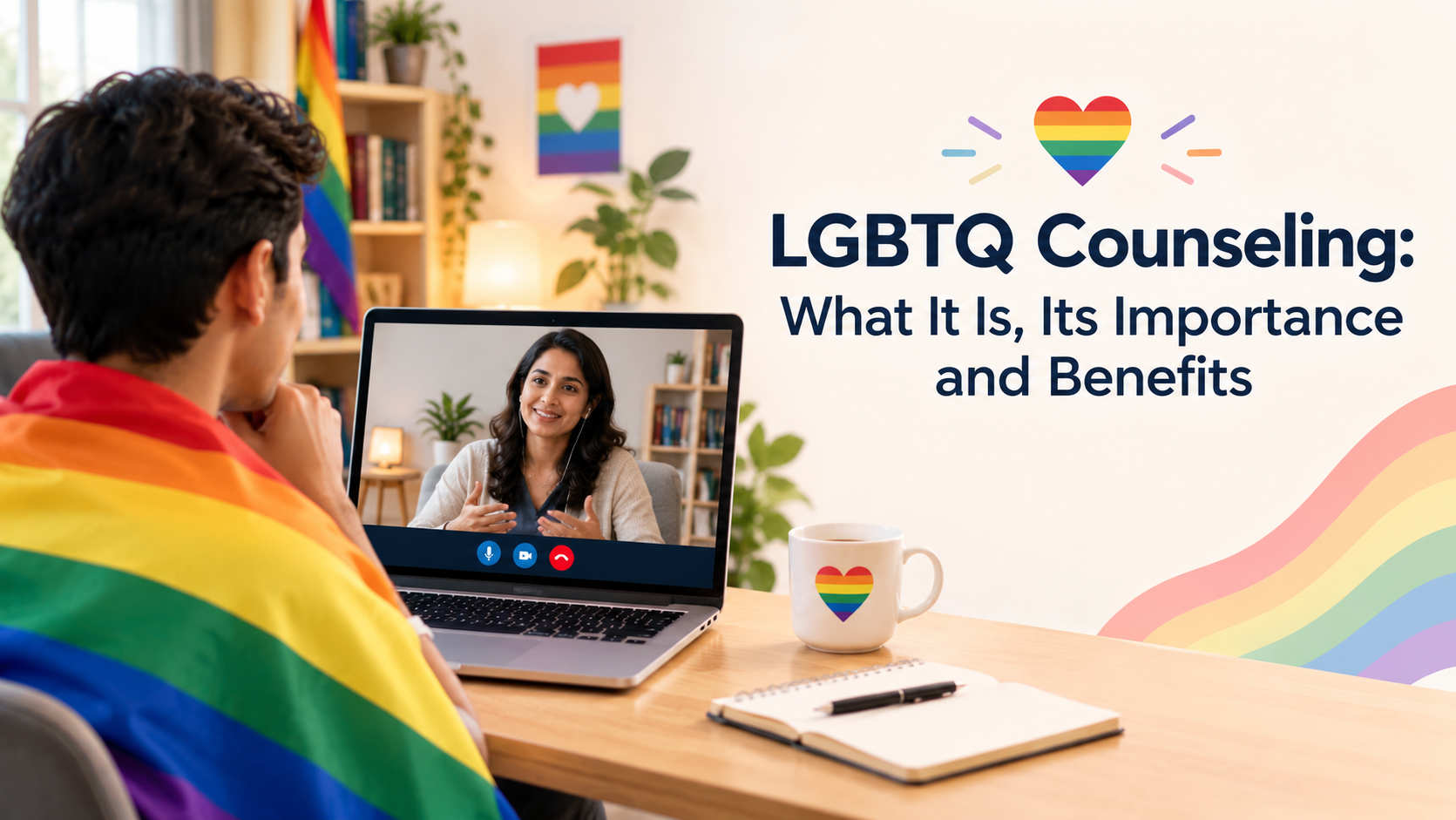
LGBTQ counseling offers a safe, supportive space where individuals can explore their feelings, understand themselves better, and work through personal challenges without fear of judgment. With guidance from an LGBTQIA+ affirmative counsellor, individuals can develop healthier coping strategies, build confidence, and strengthen their emotional well-being.
In this article, we will explore what LGBTQ counseling means, why it matters, its key benefits, and how to find the right counselling support.
What Is LGBTQ Counseling?
LGBTQ counseling is a form of mental health support designed to address the emotional, psychological, and relationship concerns of lesbian, gay, bisexual, transgender, queer, questioning, and other individuals with diverse sexual orientations and gender identities.
The primary goal of LGBTQ counseling is to provide an inclusive, non-judgmental environment where individuals feel comfortable discussing their experiences, emotions, and concerns. It recognises that people may have different experiences depending on their identity, family background, relationships, and social environment.
An LGBTQIA+ affirmative counsellor respects each person’s identity and supports them in understanding their feelings, building self-acceptance, and making decisions that align with their values and needs.
Importantly, LGBTQ counseling does not aim to change a person’s sexual orientation or gender identity. Instead, it focuses on emotional well-being, personal growth, healthy relationships, and coping with challenges that may arise in everyday life.
Why Is LGBTQ Counseling Important?
LGBTQ individuals may experience stress related to social stigma, discrimination, family expectations, or pressure to hide aspects of their identity. Not everyone encounters these challenges, but those who do may benefit from professional emotional support.
LGBTQ counseling is important because it provides a space where individuals can speak openly about their concerns without feeling the need to explain or defend their identity.
It also helps individuals understand the emotional impact of difficult experiences, recognise unhealthy thought patterns, and develop practical ways to manage stress. For those navigating questions about identity, relationships, coming out, or family acceptance, counselling provides an opportunity to explore these topics at their own pace.
Affirmative counselling also recognises that emotional difficulties may be influenced by a person’s environment rather than their identity itself. This approach encourages respect, dignity, and individual choice while supporting better mental health.
7 Key Benefits of LGBTQ Counseling
Here are seven key benefits of LGBTQ counseling:
1. Encourages Self-Acceptance
Understanding and accepting yourself is an important part of emotional well-being. However, negative social messages, stereotypes, and fear of rejection may sometimes make self-acceptance difficult.
LGBTQ counseling provides a supportive environment to explore these feelings, challenge internalised stigma, and develop a more positive relationship with yourself.
With professional guidance, individuals can learn to recognise their strengths, respect their identity, and feel more comfortable expressing who they are.
2. Helps Manage Stress and Anxiety
Experiences such as discrimination, social exclusion, uncertainty about acceptance, and pressure to meet others’ expectations may contribute to stress and anxiety.
LGBTQ counseling helps individuals identify the sources of their distress and understand how these experiences influence their thoughts, emotions, and behaviour.
Counsellors may introduce techniques such as mindfulness, emotional regulation, grounding exercises, and cognitive behavioural strategies to support healthier responses to stressful situations.
3. Provides Support During the Coming-Out Process
Coming out is a personal decision, and every individual has a different experience. Some may feel excited about sharing their identity, while others may worry about rejection, safety, family reactions, or changes in their relationships.
LGBTQ counseling offers a confidential space to explore these concerns without pressure to disclose anything before feeling ready.
A counsellor can help individuals consider their emotional needs, personal circumstances, boundaries, and support systems. The focus remains on helping each person make decisions that feel appropriate and safe for them.
4. Improves Relationships and Communication
Relationships with partners, family members, and friends can become challenging when there are misunderstandings, disagreements, or differences in expectations.
LGBTQ counseling helps individuals communicate their feelings more clearly, establish healthy boundaries, and recognise patterns that may affect their relationships.
For couples, relationship counselling can provide a space to discuss intimacy, trust, commitment, communication, and other concerns. Family counselling may also help family members develop greater understanding and build more supportive relationships when everyone is willing to participate.
5. Builds Confidence and Self-Esteem
Negative comments, bullying, exclusion, and societal stereotypes may affect how individuals view themselves. Over time, these experiences may contribute to self-doubt or difficulty expressing personal needs.
Through LGBTQ counseling, individuals can explore the beliefs that influence their self-esteem and learn to challenge unhelpful self-criticism.
Counselling can also encourage self-compassion, assertive communication, and recognition of personal strengths. These skills may help individuals feel more confident in their decisions, relationships, and everyday interactions.
6. Supports Mental Health and Emotional Well-Being
LGBTQ individuals may seek counselling for a wide range of concerns, including depression, anxiety, loneliness, grief, trauma, relationship difficulties, or major life transitions.
Affirmative counselling allows individuals to discuss these experiences while ensuring their sexual orientation or gender identity is treated with respect.
A qualified mental health professional can help identify emotional concerns, develop personalised coping strategies, and recommend additional support when needed. If symptoms are severe or persistent, the counsellor may suggest an assessment or referral to an appropriate mental health professional.
7. Creates a Safe Space to Express Feelings
Sometimes, individuals may find it difficult to discuss their experiences with family members, friends, or colleagues because they fear misunderstanding or judgment.
LGBTQ counseling offers an opportunity to express thoughts and emotions openly in a professional setting.
Whether someone is exploring their identity, dealing with a difficult experience, or simply looking for emotional support, counselling provides space for reflection and personal growth. Feeling heard and respected may help individuals develop a clearer understanding of their needs and priorities.
Who Can Benefit from LGBTQ Counseling?
LGBTQ counseling may be helpful for people at different stages of life and with different experiences. You do not need to be experiencing a mental health condition to seek support.
It may be beneficial for:
- Individuals exploring their identity: People who have questions about their sexual orientation or gender identity and want a supportive space to reflect.
- People experiencing family pressure: Individuals dealing with rejection, misunderstandings, or difficulties communicating with family members.
- Those facing discrimination: People navigating social stigma, workplace challenges, bullying, or exclusion.
- Individuals experiencing anxiety or low self-esteem: Anyone who wants support with confidence, emotional regulation, or persistent self-doubt.
- LGBTQ couples: Partners who want to improve communication, resolve disagreements, or strengthen their relationship.
- People navigating life transitions: Individuals dealing with changes in relationships, living situations, social support, or personal circumstances.
What Happens During an LGBTQ Counseling Session?
The counselling process varies according to each person’s needs, concerns, and preferences. However, a typical session may include the following steps.
1. Discussing Your Concerns
The counsellor invites you to share what has brought you to counselling. You may discuss your emotions, relationships, identity-related questions, family experiences, or any other concern you wish to address.
You decide what you feel comfortable sharing, and you do not need to discuss every aspect of your identity during the first session.
2. Understanding Your Emotional Needs
The counsellor works with you to understand your experiences, identify emotional difficulties, and recognise patterns that may be affecting your well-being.
Together, you can identify priorities and establish goals that reflect your personal needs.
3. Developing Practical Coping Strategies
Depending on your concerns, sessions may include strategies for managing stress, improving communication, setting boundaries, strengthening self-esteem, or responding to difficult situations.
The counsellor may use evidence-based approaches suited to your circumstances and preferences.
4. Reviewing Progress
As counselling continues, you and your counsellor can review your progress and adjust your goals when necessary.
The process is individualised, and there is no fixed timeline for everyone. Progress depends on your needs, circumstances, goals, and the type of support involved.
How to Choose the Right LGBTQ Counsellor
Finding a counsellor who understands LGBTQIA+ experiences can make the counselling process more comfortable and productive. Consider the following factors when choosing professional support.
- LGBTQIA+ affirmative approach: Look for a counsellor who respects diverse sexual orientations and gender identities and does not treat them as conditions requiring change.
- Relevant training and experience: Ask about the counsellor’s experience supporting LGBTQ individuals and addressing concerns similar to yours.
- Confidentiality: Understand how your information is protected, including any legal or professional limits to confidentiality.
- Comfort and trust: Choose someone with whom you feel respected, heard, and comfortable discussing personal concerns.
- Appropriate professional qualifications: Check the counsellor’s relevant qualifications, credentials, and scope of practice.
- Flexible session options: Depending on your preferences, consider online or in-person counselling, session availability, language preferences, and costs.
Remember, you do not have to continue with a counsellor if their approach makes you uncomfortable. Your identity, boundaries, and personal choices deserve respect throughout the process.
Conclusion
LGBTQ counseling provides a supportive environment for individuals to explore their feelings, strengthen self-acceptance, manage emotional challenges, and build healthier relationships. With an LGBTQIA+ affirmative approach, counselling focuses on respecting each person’s identity while addressing concerns such as anxiety, discrimination, family pressure, low self-esteem, and relationship difficulties.
Seeking professional support is a personal choice and an important step towards understanding your emotional needs. The right counsellor can help you develop practical coping skills, build confidence, and work towards greater emotional well-being at your own pace.
For individuals looking for a supportive space to discuss their concerns, Zenup Health offers online LGBTQIA+ affirmative counselling tailored to individual needs and experiences. Backed by qualified psychologists and mental health professionals, Zenup Health focuses on providing compassionate, confidential, and non-judgmental support to help individuals navigate emotional challenges, build self-acceptance, and develop healthier ways of managing everyday concerns. With personalised guidance, individuals can work towards better emotional well-being while feeling heard, respected, and understood.
Frequently Asked Questions
1. What is LGBTQ counseling used for?
LGBTQ counseling supports individuals with concerns such as identity exploration, self-acceptance, anxiety, depression, family pressure, discrimination, relationship difficulties, and low self-esteem. It provides a respectful environment to discuss personal experiences and develop healthier coping strategies.
2. Is LGBTQ counseling only for people who are struggling with their identity?
No. LGBTQ counseling is suitable for anyone seeking emotional support, regardless of how certain they feel about their identity. It may help with relationship concerns, workplace stress, family communication, personal growth, and other mental health needs.
3. Is LGBTQ counseling confidential?
Counselling sessions are generally confidential, subject to applicable laws, professional obligations, and specific safety-related exceptions. Before starting, ask your counsellor how your information is handled and what the limits of confidentiality are.
4. How does LGBTQ affirmative counseling differ from regular counseling?
LGBTQ-affirmative counselling specifically recognises and respects diverse sexual orientations and gender identities. It considers the effects of stigma, discrimination, and social pressure without treating someone’s identity as a problem that needs to be changed.
5. Is online LGBTQ counseling effective?
Yes, online LGBTQ counseling can be an effective way to receive emotional support in a safe, affirming, and comfortable environment. It allows individuals to connect with qualified counsellors from home, explore their feelings, build self-acceptance, and develop healthy coping strategies.