







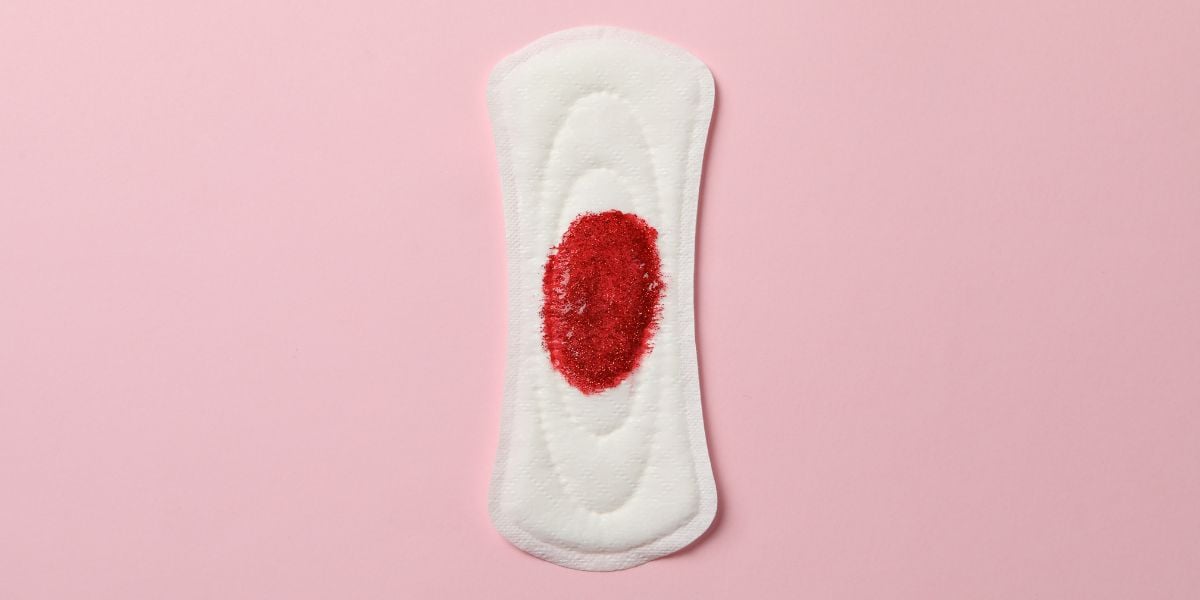
Irregular menstrual bleeding can happen when a period arrives earlier or later than expected, lasts longer than usual, or involves changes in the amount of blood flow. Some women may experience spotting between periods, while others may notice missed periods or unusually heavy bleeding. Occasional changes can occur due to normal hormonal fluctuations, but repeated changes may need medical attention.
Understanding the possible causes of irregular menstrual bleeding can help women recognise when to monitor their cycle and when to consult a healthcare professional.
What Is Irregular Menstrual Bleeding?
A menstrual cycle is counted from the first day of one period to the first day of the next. For most adults, cycles commonly occur every 21–35 days, although individual patterns can vary.
Bleeding may be considered irregular when periods frequently fall outside the usual pattern, bleeding occurs between periods, or the duration or flow changes significantly. The cause often depends on age, medical history, medications, and other symptoms.
Common Causes of Irregular Menstrual Bleeding
1. Hormonal Imbalances
Hormones such as oestrogen and progesterone help regulate the menstrual cycle. When these hormones fluctuate or ovulation does not occur regularly, the uterine lining may build up or shed unpredictably. This can lead to delayed periods, spotting, or heavy bleeding.
Hormonal changes are common during adolescence and the years leading up to menopause.
2. Polycystic Ovary Syndrome (PCOS)
PCOS can affect ovulation and hormone levels. Women with this condition may experience infrequent periods, missed cycles, or prolonged gaps between periods. Other symptoms can include acne, increased facial hair, or difficulty managing weight, although not everyone experiences the same symptoms.
A healthcare professional can assess the symptoms and recommend appropriate tests.
3. Thyroid Problems
The thyroid gland helps regulate several body functions, including processes that influence the menstrual cycle. Both an underactive thyroid and an overactive thyroid can contribute to changes in period frequency or flow.
Blood tests may be recommended if thyroid dysfunction is suspected.
4. Uterine Fibroids and Polyps
Fibroids are non-cancerous growths in or around the uterus, while uterine polyps are growths in the lining of the uterus. Depending on their size and location, they may cause heavy periods, prolonged bleeding, or spotting between periods.
An ultrasound or other investigations may help identify these conditions.
5. Stress and Lifestyle Changes
Significant stress, rapid weight changes, intense exercise, poor sleep, or inadequate nutrition can affect the hormones involved in ovulation. As a result, periods may become delayed, less frequent, or unpredictable.
If the changes continue despite improvements in lifestyle, medical evaluation may be helpful.
6. Pregnancy-Related Causes
Bleeding during pregnancy should not automatically be treated as an irregular period. Early pregnancy, pregnancy loss, and ectopic pregnancy can all involve vaginal bleeding.
If pregnancy is possible, consider taking a pregnancy test. Seek urgent medical attention for bleeding accompanied by severe abdominal pain, shoulder pain, dizziness, or fainting.
7. Contraception and Certain Medications
Hormonal contraceptives, including pills, implants, and intrauterine devices, can change menstrual bleeding patterns, particularly after starting or changing a method. Some medicines may also affect bleeding.
Speak with a healthcare professional if bleeding is persistent, unusually heavy, or begins after a medication change. Do not stop prescribed medication without medical advice.
8. Perimenopause
During perimenopause, hormone levels fluctuate as the body approaches menopause. Periods may become less predictable and the flow may change. However, very heavy bleeding, bleeding between periods, or any bleeding after menopause should be assessed rather than automatically attributed to age.
When Should You See a Doctor?
Consider booking a medical appointment if you experience:
- Repeatedly irregular periods or a significant change in your usual cycle.
- Bleeding between periods or after sexual intercourse.
- Periods lasting longer than seven days.
- Heavy bleeding that interferes with daily activities.
- Severe menstrual pain or persistent pelvic discomfort.
- Missed periods when pregnancy is not the cause.
Seek urgent care if you are soaking through a pad or tampon every hour for two consecutive hours, particularly if you feel faint, weak, or short of breath. Severe pain or possible pregnancy with bleeding also requires urgent assessment.
How Is Irregular Menstrual Bleeding Evaluated?
The evaluation depends on your symptoms, age, and medical history. A doctor may ask about your cycle dates, bleeding pattern, medications, and possibility of pregnancy.
Depending on the situation, investigations may include a pregnancy test, blood tests to check for anaemia or thyroid problems, hormone tests when indicated, and a pelvic ultrasound. Additional procedures may be recommended if a problem involving the uterine lining is suspected.
Treatment depends on the underlying cause. Options may include addressing a hormonal or thyroid condition, adjusting contraception, using medication to control bleeding, or treating fibroids or polyps when necessary.
Can You Help Manage Menstrual Irregularities?
Keeping a record of period dates, duration, flow, pain, and spotting can help identify changes over time. Maintaining balanced nutrition, getting adequate sleep, and managing stress may support general reproductive health. However, these steps cannot treat every cause of irregular bleeding, so persistent symptoms should not be ignored.
Conclusion
Irregular menstrual bleeding can result from hormonal changes, PCOS, thyroid disorders, uterine fibroids or polyps, stress, pregnancy-related conditions, medications, or perimenopause. The cause cannot always be identified from symptoms alone.
If your periods have changed significantly or the bleeding keeps recurring, consult a qualified gynaecologist for an appropriate assessment. Identifying the cause can help guide treatment and protect your reproductive health.