



You’ve spent hours writing an important email, academic essay, or blog post. Everything looks perfect until you read it again and notice an awkward sentence, a missing comma, or a word that doesn’t quite fit. Frustrating, isn’t it? Even experienced writers make mistakes. The challenge isn’t always knowing what to say but making sure your message comes across clearly.
That’s where an AI proofreader tool can help. Rather than spending another hour checking every sentence, you can use intelligent writing assistance to spot overlooked errors and improve readability while keeping your original message intact.
What Is an AI Proofreader?
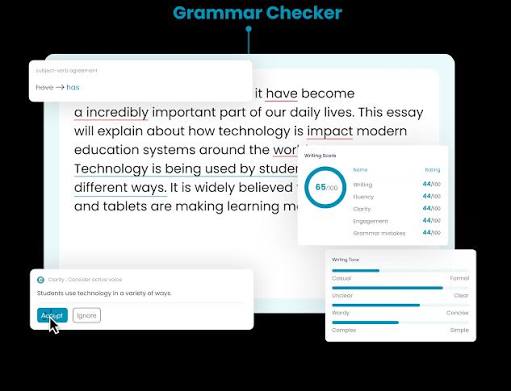
An AI proofreader is a digital writing assistant that reviews text for grammar, spelling, punctuation, and clarity. Unlike traditional spell-checkers, modern proofreading tools can examine how words work together within a sentence.
For example, consider this sentence:
“The manager discussed about the project with his team yesterday.”
A proofreading tool may suggest removing “about” because “discussed the project” is grammatically correct.
The improvement is small, but it makes the sentence more natural without changing its meaning.
How Is It Different From a Grammar Checker?
Traditional grammar checkers primarily identify mistakes based on established language rules. AI-powered proofreading tools can also consider sentence context, word choice, and readability.
However, not every suggestion deserves acceptance. Sometimes an unusual phrase is intentional, especially in creative writing or conversational content.
The writer should always make the final decision.
Why AI Proofreading Matters for Everyday Writing
Good writing isn’t about using complicated vocabulary. It’s about helping readers understand your ideas without unnecessary effort.
Catch Mistakes You Keep Overlooking
When you repeatedly read your own work, your brain often fills in missing words automatically.
An AI proofreader offers another layer of review, helping identify mistakes that may have slipped past your attention.
This is particularly useful when working under tight deadlines.
Make Sentences Easier to Understand
Long sentences aren’t necessarily bad, but they can become difficult to follow.
Imagine writing:
“Due to the fact that the meeting was postponed, we were unable to proceed with the discussion.”
A simpler alternative would be:
“Because the meeting was postponed, we couldn’t continue the discussion.”
Both communicate the same idea, but the second sounds more direct.
Build Confidence in Professional Communication
A poorly written business proposal or confusing customer email can create misunderstandings.
Proofreading helps professionals communicate more clearly, especially when writing reports, applications, presentations, and client messages.
How to Use an AI Proofreader Effectively
Using proofreading software doesn’t mean handing over control of your writing. The best results come from combining automated suggestions with thoughtful human editing.
Start With Your Own Draft
Write your thoughts naturally before worrying about minor grammatical mistakes.
Your examples, opinions, and experiences give the content its personality. Proofreading should refine these elements, not replace them.
Review Suggestions Instead of Accepting Everything
A tool might recommend changing a casual phrase into something more formal. That could work for an academic paper but feel inappropriate in a friendly newsletter.
Always consider your audience, purpose, and preferred tone.
Give Your Content One Final Human Read
After making corrections, read the entire piece aloud.
Check whether the paragraphs flow logically, the facts are accurate, and the writing still sounds like you.
For writers who prefer working in one place Isgen provide proofreading alongside other editing features, making it easier to review drafts without repeatedly switching tools.
Can AI Proofreading Replace Human Editing?
Not completely.
AI can recognize many language problems, but it may misunderstand humor, cultural references, technical terminology, or an author’s intended meaning.
It also cannot reliably verify every factual claim.
For sensitive documents, research papers, and important business communications, human judgment remains essential.
Think of proofreading technology as a helpful second reader rather than an unquestionable authority.
Conclusion: Better Writing Still Starts With You
Clear writing doesn’t require perfection on the first attempt. It requires a willingness to review, simplify, and improve what you’ve written. An AI proofreader can make that process easier by catching common mistakes, improving sentence clarity, and reducing repetitive editing work.
But the ideas, personality, and judgment behind meaningful writing still belong to the author. Use technology to polish your words, not erase what makes them yours. The strongest writing combines useful tools with a thoughtful human touch.