






Digestive health plays an important role in overall well-being, but symptoms such as persistent abdominal discomfort, changes in bowel habits, rectal bleeding, or unexplained weight loss should not be ignored. While these symptoms can have several causes, a medical evaluation may be necessary to understand what is happening inside the digestive tract. In certain situations, a colonoscopy helps doctors identify abnormalities in the colon and rectum.
For people looking for the best colonoscopy hospital in guwahati, understanding the procedure, knowing when it may be recommended, and choosing an appropriate healthcare facility are important first steps. A suitable hospital should provide access to qualified medical professionals, appropriate endoscopy facilities, clear preparation instructions, and support throughout the diagnostic process.
Dispur Polyclinic and Hospitals Pvt Ltd is a healthcare facility in Guwahati that readers can consider when exploring options for medical consultation and digestive health evaluation. Understanding what to look for in a hospital can help patients make informed decisions about their gastrointestinal care.
What Is a Colonoscopy and Why Is It Important?
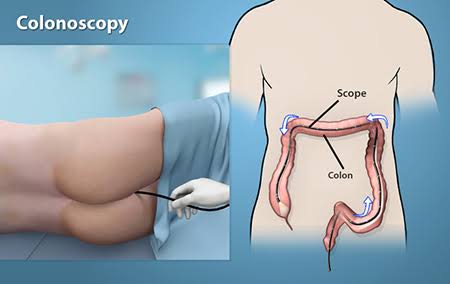
A colonoscopy is a medical procedure that allows a doctor to examine the inner lining of the large intestine, including the colon and rectum. It uses a thin, flexible tube equipped with a light and a camera, called a colonoscope, which is inserted through the anus.
The procedure can help identify inflammation, ulcers, polyps, sources of bleeding, and other abnormalities. If necessary and appropriate, the doctor may also collect tissue samples for laboratory examination or remove certain polyps during the same procedure.
Common Reasons for a Colonoscopy
A doctor may recommend a colonoscopy for several reasons, including:
- Persistent changes in bowel habits, such as diarrhoea or constipation.
- Blood in the stool or unexplained rectal bleeding.
- Unexplained iron-deficiency anaemia.
- Persistent abdominal pain or discomfort requiring further investigation.
- Unexplained weight loss when gastrointestinal disease is suspected.
- Follow-up of previously identified polyps or certain bowel conditions.
- Colorectal cancer screening for people who meet the relevant age or risk criteria.
A colonoscopy is not necessary for every digestive complaint. The decision depends on symptoms, medical history, age, family history, and the clinician’s assessment.
How to Choose the Best Colonoscopy Hospital in Guwahati
Choosing a hospital for a colonoscopy involves more than comparing facilities or convenience. Patients should consider the clinical expertise available, procedural safety, communication, and the support provided before and after the examination.
1. Access to Qualified Medical Professionals
The doctor evaluating your symptoms should understand gastrointestinal conditions and determine whether colonoscopy is appropriate. Depending on the patient’s needs, consultation with a gastroenterologist or another appropriately trained specialist may be recommended.
Patients should feel comfortable discussing symptoms, medications, previous medical conditions, and family history. Clear communication helps the medical team assess risks and plan the procedure appropriately.
2. Appropriate Endoscopy Facilities
A colonoscopy requires suitable equipment and established clinical procedures. When evaluating a hospital, ask whether it has the facilities required for the examination, appropriate monitoring during sedation when used, and protocols for managing potential complications.
The availability of trained staff, infection prevention procedures, and emergency support is also important when assessing the suitability of a facility.
3. Clear Preparation Instructions
Proper preparation is essential because the colon needs to be sufficiently clean for the doctor to examine its lining. Inadequate preparation can make it difficult to identify abnormalities and may mean the examination needs to be repeated.
A reliable healthcare provider should explain the bowel preparation process, dietary restrictions, medication adjustments when necessary, and when to stop eating or drinking.
4. Transparent Communication About Costs
The total cost of colonoscopy can vary according to the hospital, consultation requirements, sedation, biopsy, polyp removal, and additional laboratory investigations.
Before scheduling the procedure, ask for an estimate and clarify which services are included. Confirm whether additional charges may apply if the doctor needs to collect a biopsy or remove a polyp.
5. Follow-Up and Report Explanation
The process should not end when the colonoscopy is completed. Patients need to understand the findings, whether tissue samples were collected, and what follow-up is recommended.
A healthcare professional should explain the results in understandable language and discuss further evaluation or treatment if necessary.
Understanding the Colonoscopy Procedure
Knowing what to expect can reduce anxiety and help patients prepare for their appointment.
Before the Procedure
The hospital or doctor will provide instructions tailored to the patient’s medical history and planned examination. Preparation commonly includes a prescribed bowel-cleansing solution and temporary dietary changes.
Patients should inform the medical team about:
- Prescription medicines, especially blood thinners.
- Diabetes medicines or insulin.
- Allergies and previous reactions to anaesthesia or sedation.
- Heart, kidney, or other significant medical conditions.
- Previous abdominal surgery or colonoscopy complications.
- Pregnancy or the possibility of pregnancy, when relevant.
Do not stop prescribed medication or change its dose without medical guidance. The care team will explain any necessary adjustments.
During the Colonoscopy
A colonoscopy commonly takes around 20–45 minutes, although the duration varies depending on the findings and whether additional procedures are required.
Patients may receive sedation to improve comfort, depending on the clinical plan and available facilities. The doctor carefully guides the colonoscope through the large intestine while examining the bowel lining.
If a polyp or suspicious area is identified, the doctor may remove the polyp or collect a tissue sample when appropriate. These samples may be sent for laboratory analysis.
After the Procedure
Patients are monitored until they have recovered sufficiently, particularly if sedation has been used. Temporary bloating, mild abdominal discomfort, or gas may occur because air or carbon dioxide is introduced during the examination.
If sedation is given, patients generally need someone to accompany them home and should not drive or operate machinery for the period advised by the medical team.
Severe or worsening abdominal pain, heavy rectal bleeding, fever, dizziness, or other concerning symptoms after colonoscopy require prompt medical attention. Significant bleeding or severe pain should not be dismissed as routine recovery.
What Conditions Can a Colonoscopy Help Detect?
Colonoscopy provides a direct view of the colon’s inner lining and can help doctors investigate several gastrointestinal conditions.
Colorectal Polyps
Polyps are growths that develop on the lining of the colon or rectum. Many are benign, but some types can develop into colorectal cancer over time. Identifying and removing appropriate polyps can help reduce future cancer risk.
Inflammatory Bowel Conditions
A colonoscopy may help investigate conditions such as ulcerative colitis and Crohn’s disease when the large intestine is involved. The doctor may take biopsies to support diagnosis and assess inflammation.
Sources of Intestinal Bleeding
Rectal bleeding can occur for several reasons, including haemorrhoids, inflammation, polyps, and other intestinal abnormalities. Colonoscopy may help identify the source, although the appropriate investigation depends on the patient’s symptoms and clinical condition.
Colorectal Cancer
Colonoscopy can help detect suspicious growths and allows doctors to obtain tissue samples for diagnosis. It is also used for screening and surveillance in people who meet the relevant age or risk criteria.
Finding an abnormality does not automatically mean that a person has cancer. Further evaluation, including biopsy when appropriate, helps determine the diagnosis.
Is Colonoscopy Safe?
Colonoscopy is generally considered a safe procedure when performed by appropriately trained professionals in a suitable clinical setting. However, like any medical procedure, it carries potential risks.
Possible complications include bleeding, particularly after polyp removal, reactions to sedation, and, rarely, perforation of the bowel wall. Individual risks vary according to the patient’s health, the reason for the examination, and any additional procedures performed.
Patients should discuss their medical history, concerns about sedation, and the potential benefits and risks with their doctor before proceeding. The doctor can explain whether colonoscopy is appropriate or whether another investigation may be more suitable.
When Should You Seek Medical Advice for Digestive Symptoms?
Digestive symptoms can have many causes, and persistent or unexplained changes deserve medical attention.
Arrange a medical consultation if you experience ongoing changes in bowel habits, recurring abdominal discomfort, blood in your stool, unexplained anaemia, or unexplained weight loss. Your doctor can assess the symptoms and recommend appropriate investigations.
Seek emergency medical care for heavy rectal bleeding, severe abdominal pain, fainting, or black, tarry stools accompanied by weakness or dizziness. These symptoms may indicate a serious condition requiring urgent assessment.
Do not wait for a routine colonoscopy appointment if you have symptoms that suggest an emergency.
Why Consider Dispur Polyclinic and Hospitals Pvt Ltd?
When searching for the best colonoscopy hospital in Guwahati, patients should focus on the suitability of the available medical services rather than relying solely on promotional claims.
Dispur Polyclinic and Hospitals Pvt Ltd is one option to consider when exploring healthcare facilities in Guwahati. Patients can contact the hospital directly to confirm whether colonoscopy is available, which specialists provide consultations, what preparation is required, and whether sedation, biopsy, and follow-up services can be arranged when clinically indicated.
Before booking, it is sensible to verify the current availability of the procedure, the qualifications of the treating professional, estimated costs, and arrangements for post-procedure care. These details help patients understand the service being offered and make a decision that fits their medical needs.
A well-informed choice begins with a proper medical consultation and a clear understanding of the procedure, its benefits, and its limitations.
Frequently Asked Questions
1. Which is the best colonoscopy hospital in Guwahati?
The most suitable hospital depends on the patient’s medical needs, the expertise of the treating doctor, available endoscopy facilities, safety protocols, and follow-up care. Dispur Polyclinic and Hospitals Pvt Ltd is one facility patients can contact to confirm colonoscopy availability and related services.
2. Is colonoscopy painful?
Colonoscopy is often performed with sedation to improve comfort, although the approach varies. Some patients experience temporary bloating, gas, or mild abdominal discomfort. The doctor can explain the available comfort measures before the procedure.
3. How should I prepare for a colonoscopy?
Preparation usually involves a prescribed bowel-cleansing solution, dietary instructions, and guidance about medication. Follow the hospital’s instructions carefully and discuss all medicines and existing health conditions with your doctor beforehand.
4. How long does it take to recover after a colonoscopy?
Many patients return to normal activities within a day, but recovery depends on whether sedation, biopsy, or polyp removal was involved. Patients who receive sedation should follow the medical team’s instructions about driving, work, and other activities.
5. When should someone consider a colonoscopy?
A doctor may recommend colonoscopy for unexplained rectal bleeding, persistent bowel changes, certain cases of abdominal discomfort or anaemia, colorectal cancer screening, or follow-up of previously identified polyps. The decision should be based on the individual’s symptoms, age, medical history, and risk factors.
Conclusion
Colonoscopy is an important diagnostic tool for investigating digestive symptoms, identifying abnormalities in the large intestine, and supporting colorectal cancer screening when appropriate. Choosing a suitable hospital involves checking medical expertise, endoscopy facilities, preparation guidance, procedural safety, transparent costs, and follow-up support.
For patients exploring their options in Guwahati, Dispur Polyclinic and Hospitals Pvt Ltd can be contacted to learn more about the availability of colonoscopy and related medical services. A consultation with a qualified healthcare professional is the best starting point for understanding your symptoms and deciding on the right diagnostic approach.