





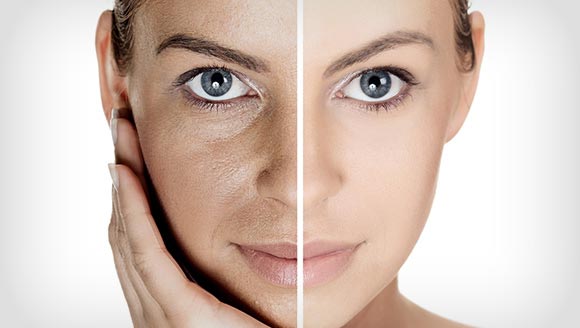
Healthy, refreshed-looking skin is not necessarily about looking younger. For many people, it means improving skin texture, reducing the appearance of fine lines, addressing uneven pigmentation, or restoring a natural glow. As skin changes with age, sun exposure, stress, and environmental factors, different treatments can help address these concerns based on individual needs.
Face rejuvenation includes a range of skincare procedures designed to improve the appearance and condition of facial skin. Options range from professional facials and chemical peels to laser treatments, microneedling, and injectables. Each approach works differently, and the most suitable choice depends on skin type, concerns, medical history, and desired results.
Understanding these options can help patients make informed decisions rather than choosing a procedure simply because it is popular. With appropriate assessment and realistic expectations, a personalised treatment plan can support healthier-looking skin while preserving natural facial features.
What Is Face Rejuvenation?
Face rejuvenation refers to treatments that improve the appearance of facial skin by addressing concerns such as fine lines, wrinkles, uneven skin tone, rough texture, acne scars, and loss of firmness. Depending on the procedure, treatment may focus on the skin’s surface, stimulate collagen production, or restore volume in selected areas.
Some treatments offer temporary improvements in hydration and radiance, while others work gradually over several weeks or months. Results, recovery time, and potential side effects vary according to the procedure and the individual.
Common goals of facial rejuvenation include:
- Reducing the appearance of fine lines and wrinkles.
- Improving skin texture and smoothness.
- Minimising visible pigmentation and sun damage.
- Supporting collagen production and skin firmness.
- Addressing certain types of acne scars.
- Improving hydration and overall skin radiance.
Not every treatment addresses all these concerns. Identifying the main issue is an important first step towards choosing an appropriate option.
Common Face Rejuvenation Treatments
Different procedures target different layers and features of the skin. A consultation with a qualified medical professional can help determine which options are suitable and whether a combination of treatments may be appropriate.
1. Professional Facials and Hydrating Treatments
Professional facials focus on cleansing, exfoliation, hydration, and improving the skin’s overall appearance. Depending on the method used, they may help remove surface impurities, temporarily soften dry skin, and leave the complexion looking fresher.
Hydrating treatments can be useful for people experiencing dryness, dullness, or mild roughness. However, they generally do not produce the same degree of change as procedures that target deeper wrinkles, significant pigmentation, or pronounced skin laxity.
The ingredients and techniques used should be selected according to skin sensitivity and individual concerns. People with active irritation or certain skin conditions may need a modified approach.
2. Chemical Peels
Chemical peels use carefully selected chemical solutions to exfoliate the skin. Depending on the formulation and depth, they can improve uneven skin tone, mild acne-related marks, rough texture, and some fine lines.
Superficial peels usually involve less downtime than medium-depth or deep peels. However, deeper treatments carry greater risks and require more careful assessment and aftercare.
Possible side effects include redness, dryness, peeling, temporary sensitivity, and changes in pigmentation. These risks can be particularly important for people with darker skin tones, who may be more susceptible to post-inflammatory hyperpigmentation after certain procedures.
Professional guidance is essential when selecting the type and strength of a peel. Patients should avoid picking peeling skin and follow the recommended moisturising and sun-protection routine.
3. Laser and Light-Based Treatments
Laser and light-based procedures use specific wavelengths of energy to target selected skin concerns. Depending on the device, they may help improve sun-related pigmentation, certain visible blood vessels, uneven texture, or signs of photoaging.
Some resurfacing lasers remove controlled portions of the skin’s surface, while non-ablative treatments aim to stimulate changes beneath the surface with less disruption to the outer skin. Intense pulsed light (IPL) is another option that may be used for selected pigmentation and redness concerns, although it is not technically a laser.
Treatment suitability depends on the device, skin tone, medical history, and nature of the concern. Burns, scarring, and unwanted pigment changes are possible complications, so device selection and practitioner experience matter.
Patients should also discuss recent tanning, medications, a history of cold sores, and any tendency to develop pigmentation changes before undergoing treatment.
4. Microneedling
Microneedling uses fine needles to create controlled micro-injuries in the skin, triggering a wound-healing response that can support collagen production. It is commonly considered for certain types of acne scarring, uneven texture, and fine lines.
Improvement generally develops gradually rather than appearing immediately. Multiple sessions may be recommended, depending on the concern and the individual’s response.
Temporary redness, swelling, and sensitivity are common after treatment. Infection, scarring, and pigmentation changes can occur if the procedure is unsuitable or performed incorrectly.
Microneedling should be postponed when there is an active skin infection or significant irritation in the treatment area. At-home devices also carry risks, particularly when needles penetrate the skin.
5. Injectable Treatments
Injectable procedures can address certain facial lines, wrinkles, and areas of volume loss. Two commonly discussed categories are botulinum toxin injections and dermal fillers.
Botulinum toxin treatments temporarily relax selected muscles responsible for dynamic wrinkles, such as some forehead lines and lines around the eyes. Effects are temporary, and the treatment does not address every type of wrinkle or skin-texture concern.
Dermal fillers are used to restore or add volume to selected facial areas, depending on the product and treatment plan. Many fillers contain hyaluronic acid, a substance that attracts water and is naturally present in the body.
Injectables require careful anatomical knowledge and an individualised assessment. Bruising, swelling, asymmetry, and other complications may occur. Rare but serious filler complications include blocked blood vessels, which can damage tissue and, in some cases, affect vision.
These procedures should only be performed by appropriately qualified and trained medical professionals who can explain the risks and manage complications.
6. Medical-Grade Skincare
Not every facial rejuvenation plan needs an in-clinic procedure. A consistent skincare routine can help maintain the skin barrier, prevent further sun damage, and support results from selected treatments.
Common ingredients include:
- Retinoids: May improve fine lines, uneven texture, and some signs of sun damage over time.
- Vitamin C: An antioxidant that can help address the appearance of uneven pigmentation and support protection against environmental stress when used with sunscreen.
- Hyaluronic acid: Helps attract and retain moisture, improving the appearance of dehydrated skin.
- Niacinamide: May support the skin barrier and help improve the appearance of uneven tone.
- Broad-spectrum sunscreen: Helps protect against UVA and UVB radiation and reduces further sun-related skin damage.
Introduce active ingredients gradually to reduce irritation. Retinoids may not be suitable during pregnancy, and anyone who is pregnant or planning pregnancy should discuss skincare ingredients with a healthcare professional.
How to Choose the Right Facial Rejuvenation Treatment
The best treatment is the one that addresses a person’s specific concerns while accounting for their skin type, health, tolerance for downtime, and expectations.
Identify Your Main Skin Concern
Different concerns call for different approaches. For example, dehydration may respond well to moisturising products, while certain acne scars may benefit from microneedling or selected laser procedures. Dynamic wrinkles and volume loss may require different approaches altogether.
A professional assessment can help distinguish between similar-looking concerns that need different treatments.
Consider Skin Tone and Sensitivity
Skin tone can influence the risk of pigmentation changes after peels, lasers, and other procedures. People with sensitive skin, eczema, rosacea, or a history of abnormal scarring may need additional precautions.
Always disclose relevant medical conditions, allergies, medications, and previous cosmetic treatments during a consultation.
Understand Recovery Time
Some treatments allow patients to return to normal activities quickly, while others may involve several days or longer of redness, swelling, or peeling. Recovery depends on the procedure, its intensity, and individual healing.
Ask about expected downtime, aftercare, sun exposure restrictions, and when results are likely to become visible before making a decision.
Set Realistic Expectations
Facial rejuvenation can improve selected skin concerns, but no procedure can stop the natural ageing process or guarantee a particular result. Some treatments require repeat sessions or maintenance, and results may vary considerably between individuals.
A reputable provider should explain both the potential benefits and the limitations of the recommended procedure.
How to Maintain Results After Face Rejuvenation
Daily skincare habits can help protect the skin and support longer-lasting improvements. Even an effective professional treatment cannot fully compensate for ongoing sun exposure or an irritated skin barrier.
Consider these practical habits:
- Apply sunscreen daily. Choose broad-spectrum SPF 30 or higher and reapply as directed, especially during prolonged outdoor exposure.
- Use a gentle cleanser. Avoid harsh scrubbing and excessive exfoliation, which can worsen irritation.
- Moisturise consistently. A suitable moisturiser helps reduce water loss and supports the skin barrier.
- Follow professional aftercare. Avoid introducing strong active ingredients or exfoliating products until your practitioner advises that it is safe.
- Maintain healthy routines. Adequate sleep, a balanced diet, and avoiding smoking can support overall skin health.
- Attend follow-up appointments when recommended. These visits allow your practitioner to assess healing and determine whether additional treatment is appropriate.
If you experience increasing pain, spreading redness, blistering, unusual skin discolouration, or vision-related symptoms after a procedure, seek prompt medical attention. Sudden visual changes after facial injections require emergency assessment.
Why a Personalised Consultation Matters
There is no single face rejuvenation treatment that works equally well for everyone. Two people with similar-looking wrinkles may have different underlying concerns, skin sensitivities, or medical considerations that affect their treatment options.
At La Clinique, patients can explore aesthetic treatment options in the context of their individual concerns and goals. A consultation provides an opportunity to discuss suitable procedures, expected outcomes, possible risks, recovery requirements, and alternatives, including non-procedural skincare.
The aim of a considered treatment plan should be to make informed choices that respect natural facial features and prioritise safety rather than pursuing unnecessary procedures.
Frequently Asked Questions
1. What is the best treatment for face rejuvenation?
There is no single best treatment for everyone. Hydrating facials may help with dryness, chemical peels can address selected surface concerns, and microneedling or laser procedures may be suitable for certain scars and texture changes. The right option depends on your skin, medical history, and goals.
2. How long do face rejuvenation results last?
Results vary by treatment. Hydration from a facial may be temporary, while improvements from collagen-stimulating procedures can develop over several weeks or months. Injectable treatments have their own duration, and maintenance may be needed depending on the procedure.
3. Are facial rejuvenation treatments safe for all skin types?
No treatment is suitable for every skin type or individual. Some procedures carry a higher risk of irritation or pigmentation changes in particular skin tones. A qualified professional should assess your skin and medical history before recommending treatment.
4. Can face rejuvenation improve wrinkles and acne scars?
Yes, certain procedures can improve the appearance of selected wrinkles and acne scars. However, dynamic wrinkles, surface lines, and deeper scars may require different approaches. The extent of improvement depends on the treatment and individual response.
5. What should I do before a face rejuvenation treatment?
Discuss your medical history, medications, allergies, previous procedures, and skin-care products with your practitioner. Ask about preparation, downtime, risks, and aftercare. Avoid tanning and do not stop prescribed medication unless your healthcare professional advises you to do so.
Conclusion
Face rejuvenation offers several options for improving skin texture, tone, hydration, and visible signs of ageing. The most appropriate approach depends on the concern being treated, skin characteristics, expected recovery, and individual preferences. Good skincare and daily sun protection remain important, whether or not professional procedures are chosen.
For those considering aesthetic skin treatments, La Clinique can be a starting point for discussing individual concerns and exploring suitable options with an appropriately qualified professional. An informed, personalised approach helps patients prioritise skin health, understand realistic outcomes, and make decisions with confidence.