





The birth of a baby is an important life event, and understanding the delivery process can help expectant parents feel more prepared. While vaginal delivery is possible for many pregnancies, some situations make a cesarean section a safer or more appropriate option for the mother, the baby, or both. Knowing what to expect before, during, and after surgery can reduce uncertainty and help families plan for recovery.
Cesarean section surgery, commonly called a C-section, is a surgical procedure in which a baby is delivered through incisions in the mother’s abdomen and uterus. It may be planned in advance because of certain pregnancy-related conditions or performed unexpectedly when complications develop during labor.
Although a C-section is a common procedure, it is still major abdominal surgery and requires careful preparation, appropriate medical care, and time to heal. Understanding the reasons for delivery, the surgical process, and the recovery timeline helps patients make informed decisions with their healthcare team.
What Is Cesarean Section Surgery?
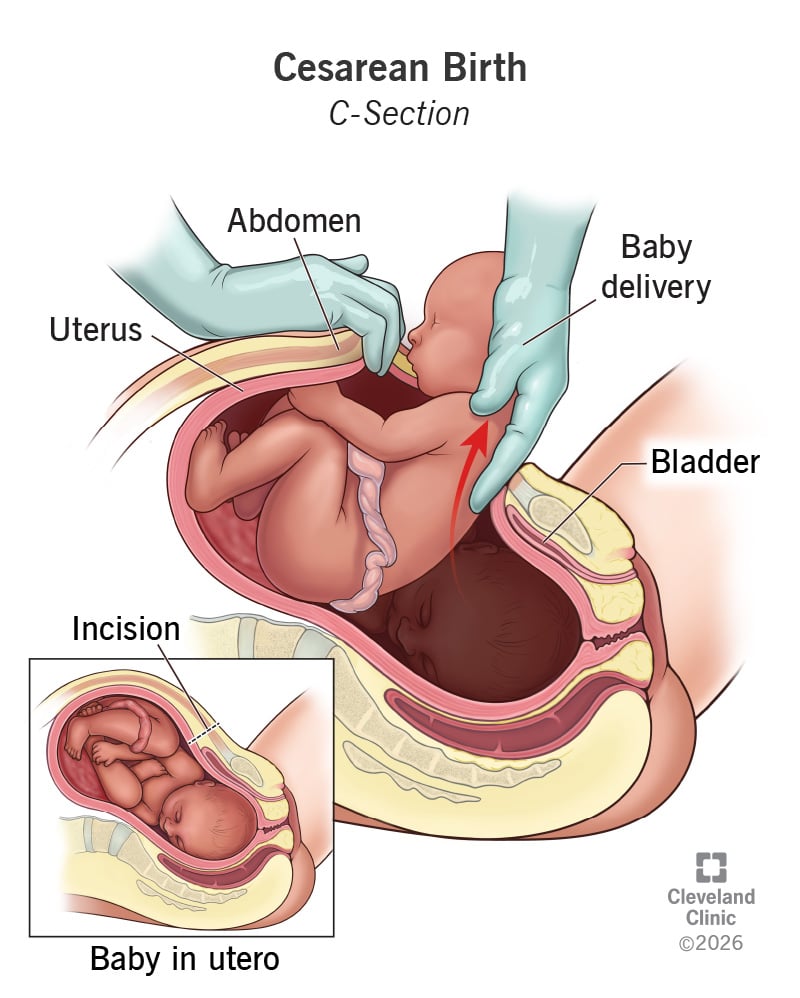
Cesarean section surgery is a method of delivering a baby through surgical openings in the abdominal wall and uterus rather than through the birth canal. It is performed in a hospital or an appropriately equipped maternity facility by an obstetric team.
A C-section may be scheduled before labor begins or recommended during labor if continuing with vaginal delivery could increase risks. The decision depends on the mother’s health, the baby’s condition, the stage of pregnancy, and any complications that arise.
There are two main types:
- Planned C-section: Arranged in advance when medical circumstances indicate that surgical delivery may be the most appropriate option.
- Emergency or unplanned C-section: Performed when an unexpected concern develops during pregnancy or labor and delivery needs to happen promptly.
The timing and urgency of the procedure vary. The obstetrician explains the reasons for recommending surgery and discusses the available options whenever the circumstances allow.
Why Might a Cesarean Section Be Necessary?
A cesarean delivery may be recommended when vaginal birth is considered less safe or is unlikely to progress successfully. The specific reason varies from one pregnancy to another, and not every patient with a particular risk factor will necessarily need surgery.
Common reasons include:
Baby’s Position
If the baby is positioned feet-first or buttocks-first (breech), or lies sideways across the uterus, a C-section may be recommended depending on the circumstances.
Problems With the Placenta
Placenta previa occurs when the placenta covers part or all of the cervix. In this situation, vaginal delivery may cause serious bleeding, making cesarean delivery necessary.
Labor That Does Not Progress
Sometimes the cervix does not dilate sufficiently, or the baby does not move down through the birth canal despite appropriate labor management. A C-section may then be considered.
Concerns About the Baby’s Well-Being
Changes in the baby’s heart rate or other signs of possible distress may require prompt delivery. The healthcare team evaluates the situation to determine whether a C-section is the safest option.
Previous Cesarean Delivery or Certain Uterine Surgeries
A previous C-section does not automatically mean another surgical delivery is necessary. However, the type of previous uterine incision, the reason for the earlier procedure, and the current pregnancy can influence the delivery plan.
Other factors, including certain multiple pregnancies and specific maternal health conditions, may also affect the recommendation.
How to Prepare for Cesarean Section Surgery
Preparation helps the medical team manage potential risks and gives the patient a clearer understanding of what will happen. For a planned procedure, the hospital usually provides instructions before the scheduled date.
Attend Your Preoperative Assessment
During the assessment, the obstetric team reviews your medical history, current medications, allergies, previous surgeries, and pregnancy-related concerns. Blood tests or other investigations may be arranged when appropriate.
This is also an opportunity to discuss anesthesia, pain relief, breastfeeding, birth preferences, and any concerns about the procedure.
Follow Eating and Drinking Instructions
The hospital will explain when to stop eating and drinking before surgery. These instructions are important because anesthesia can increase the risk of stomach contents entering the lungs.
Follow the specific instructions provided by your care team rather than relying on general fasting guidelines.
Review Your Medications
Tell your doctor about all prescription medicines, supplements, and over-the-counter products you use. Some medications may need to be adjusted before surgery, but you should not stop prescribed treatment without medical advice.
Plan for Your Hospital Stay
Pack essential items, arrange transport, and organize support for the first days at home. Depending on the patient’s condition and hospital policy, a cesarean delivery may require a hospital stay of a few days.
If the procedure becomes urgent, there may be limited time for routine preparation. In that situation, the medical team prioritizes the immediate needs of the mother and baby.
What Happens During a C-Section?
Cesarean section surgery generally follows a planned sequence, although the exact approach depends on the patient’s circumstances and the urgency of delivery.
1. Anesthesia and Preparation
Most C-sections are performed under regional anesthesia, such as spinal or epidural anesthesia. This numbs the lower part of the body while allowing the mother to remain awake.
In some situations, general anesthesia may be necessary. The anesthesiologist explains the appropriate option and monitors the patient’s vital signs throughout the procedure.
An intravenous line is usually placed, and a urinary catheter may be inserted to keep the bladder empty during surgery. The abdomen is cleaned with an antiseptic solution, and sterile drapes are positioned around the surgical area.
2. Making the Surgical Incisions
The surgeon usually makes a horizontal incision in the lower abdomen, often near the bikini line. A second incision is made in the uterus to reach the baby.
The precise incision type depends on factors such as the baby’s position, the urgency of delivery, and the mother’s anatomy and medical history.
3. Delivering the Baby
Once the uterus is opened, the surgeon carefully delivers the baby. The team checks the baby’s breathing, heart rate, and general condition and provides newborn care as needed.
When both mother and baby are stable and hospital practices permit, early skin-to-skin contact and breastfeeding may be supported.
4. Closing the Incisions
After the baby and placenta are delivered, the surgeon closes the uterine incision and abdominal layers using appropriate surgical techniques. The skin may be closed with stitches, staples, or another suitable method.
The procedure often takes around 45 minutes to an hour, although the duration varies. Delivery of the baby generally occurs earlier in the operation, while the remaining time is used to complete the surgery safely.
Recovery After Cesarean Section Surgery
Recovery involves more than the incision healing. The body also needs time to recover from pregnancy and childbirth, while the mother adjusts to caring for a newborn.
The First 24 to 48 Hours
Patients are monitored in the recovery area and maternity ward. The healthcare team checks bleeding, pain levels, blood pressure, temperature, and the surgical wound.
Pain, tiredness, and difficulty moving comfortably are common during the early recovery period. Pain relief is provided according to the patient’s needs and medical circumstances.
When medically appropriate, patients are encouraged to get out of bed and walk with assistance. Gentle movement helps reduce the risk of blood clots and supports recovery.
The First Few Weeks at Home
After discharge, follow the wound-care and medication instructions provided by the hospital. Keep the incision clean and dry as directed, and avoid rubbing or irritating the area.
Helpful recovery practices include:
- Taking prescribed pain medication as directed.
- Walking gently and increasing activity gradually.
- Drinking enough fluids and eating balanced, nutritious meals.
- Avoiding heavy lifting and strenuous exercise until medically cleared.
- Supporting the abdomen when coughing or changing position if it feels more comfortable.
- Asking family members or friends to help with household tasks and newborn care.
Patients are generally advised to avoid driving until they can move comfortably, react safely, and are no longer affected by medications that impair alertness. Sexual activity, strenuous exercise, and lifting heavier objects should be resumed according to individual recovery and professional advice.
Many patients need around six weeks or longer for substantial recovery, although the timeline varies. A follow-up appointment allows the healthcare provider to assess healing and address any concerns.
Warning Signs to Watch for After a C-Section
Some discomfort is expected after surgery, but certain symptoms require prompt medical attention.
Contact your healthcare provider if you experience:
- Increasing redness, swelling, warmth, or discharge around the incision.
- Fever or chills.
- Worsening abdominal pain rather than gradual improvement.
- Heavy vaginal bleeding or bleeding that becomes significantly worse.
- Pain or swelling in one leg.
Seek emergency medical care for chest pain, sudden difficulty breathing, fainting, or severe bleeding. A severe headache with vision changes, particularly after childbirth, also requires urgent assessment.
Do not assume that a concerning symptom is simply part of normal recovery. Early evaluation can help identify complications and ensure appropriate treatment.
Emotional Well-Being After a Cesarean Delivery
Physical healing is only one part of postpartum recovery. Some parents feel relieved that their baby has arrived safely, while others may experience disappointment, anxiety, or distress if the delivery differs from what they expected.
These feelings can occur after both planned and emergency C-sections. Talking with a trusted healthcare professional or supportive family member may help, and patients should feel comfortable asking questions about their birth experience.
If sadness, anxiety, or emotional distress is persistent or interferes with daily life, seek professional support. Thoughts of harming yourself or your baby require immediate help.
Frequently Asked Questions
1. Is cesarean section surgery painful?
Regional anesthesia usually prevents sharp pain during the operation, although patients may feel pressure or movement. Abdominal soreness and discomfort are common afterward, but appropriate pain relief can help make recovery more manageable.
2. How long does it take to recover from a C-section?
Many patients need approximately six weeks or longer for substantial recovery. The timeline depends on the complexity of the surgery, general health, and whether complications occur. Individual activity restrictions should be discussed with the healthcare provider.
3. Can I have a vaginal delivery after a previous C-section?
Yes, some patients may be suitable candidates for vaginal birth after cesarean (VBAC). Eligibility depends on factors such as the previous uterine incision, medical history, current pregnancy, and the hospital’s ability to provide emergency care if needed.
4. When can I start breastfeeding after a C-section?
Breastfeeding can often begin soon after delivery when the mother and baby are stable. Hospital staff can help with comfortable positions that avoid pressure on the abdominal incision and provide support with feeding.
5. What symptoms after a C-section require medical attention?
Fever, worsening wound redness, unusual discharge, increasing abdominal pain, or heavy bleeding should be assessed promptly. Chest pain, sudden breathlessness, fainting, or severe bleeding require emergency medical care.
Conclusion
Cesarean section surgery can be an important option when surgical delivery offers the safest approach for the mother, the baby, or both. Understanding the reasons for the procedure, preparing for hospital care, and following postoperative instructions can help patients approach childbirth with greater confidence. Recovery takes time, and recognizing warning signs is an essential part of protecting maternal health.
For patients seeking guidance about pregnancy, delivery planning, and women’s health, Dr. Mahsa Aghaei can be a point of reference for discussing individual concerns with an appropriate healthcare professional. Every pregnancy is different, so delivery decisions and recovery plans should be based on a thorough medical assessment and the patient’s specific needs.