




Age can change the appearance of the face in many ways. One common change is the gradual loss of cheek volume. Full cheeks often create a soft, youthful appearance, but as people grow older, their skin, fat distribution, and facial structure may change. These changes can make the cheeks look flatter, less defined, or slightly hollow.
Cheek Fillers in Dubai are a popular option for people who want to improve cheek volume and support natural-looking facial contours without undergoing surgery. At Altaderma Clinic, understanding each person’s facial structure, age, and aesthetic goals is an important part of planning a suitable treatment.
Cheek fillers are injectable treatments designed to add volume to selected areas of the cheeks. They may help improve facial balance, soften the appearance of hollow cheeks, and create more definition. However, the right treatment depends on individual needs rather than age alone.
In this article, we will explain how age affects cheek volume, how cheek fillers may help, what to consider before treatment, and which factors can influence the Cheek Fillers cost in Dubai.
How Age Affects Natural Cheek Volume
The cheeks naturally change as the body ages. These changes usually happen gradually and can look different from one person to another. Genetics, lifestyle, sun exposure, weight changes, and natural facial structure can all affect how the cheeks look over time.
Changes in Cheek Volume During Your 20s and 30s
During the 20s, many people have naturally full cheeks because facial fat distribution and skin elasticity are generally well maintained. However, some people naturally have flatter cheekbones or less volume in the middle of the face.
In the 30s, early signs of facial ageing may become more noticeable. The skin may gradually lose some elasticity, and changes in facial fat can make the cheeks look less full than before.
People in this age group may consider Cheek Fillers in Dubai if they want to enhance their cheekbones, improve facial proportions, or restore a small amount of lost volume.
The goal is not always to make the cheeks larger. Sometimes, a subtle improvement can create better facial balance while maintaining the person’s natural appearance.
Cheek Volume Changes During Your 40s and 50s
During the 40s and 50s, changes in the skin, underlying tissues, and facial fat may become more visible. The cheeks can appear flatter, and the area between the lower eyelids and cheeks may look more hollow.
Some people may also notice that their face looks less defined than it did in earlier years. These changes are a natural part of ageing and do not happen at the same rate for everyone.
Cheek fillers may help restore selected areas of lost volume and improve the appearance of cheek contours. A qualified medical professional can assess whether fillers are appropriate or whether other treatments may better address the person’s concerns.
At Altaderma Clinic, treatment planning should focus on facial proportions, skin condition, and realistic expectations rather than simply adding more volume.
Cheek Changes After the Age of 60
After the age of 60, changes in facial volume and skin elasticity may become more pronounced. The cheeks can look hollow, and the skin may have more visible folds or sagging.
Although fillers can add volume, they cannot fully reverse every sign of ageing. For some people, adding too much filler may create an unnatural appearance or make existing heaviness more noticeable.
A careful assessment is especially important when considering Cheek Fillers in Dubai at an older age. The practitioner should consider skin quality, bone structure, facial movement, medical history, and the amount of volume that may be suitable.
The best approach is one that respects the natural features of the face and aims for balanced results.
Why Do Cheeks Lose Volume With Age?
Ageing is one reason for changes in cheek volume, but it is not the only factor. Understanding the cause can help determine which treatment may be appropriate.
Natural Changes in Facial Fat
The face contains fat compartments that help create its natural shape. As people age, these compartments can change in size and position. Some areas may lose volume, while others may become more prominent.
This can make the cheeks appear flatter or less lifted. Cheek fillers may help replace some lost volume in selected areas, depending on the individual’s facial structure.
Reduced Skin Elasticity
Collagen and elastin help the skin remain firm and flexible. Their natural production and organisation change over time, which can affect how the skin supports the underlying tissues.
When skin elasticity decreases, the cheeks may appear less firm. Fillers can provide volume, but they do not directly restore all the skin’s lost elasticity.
A medical consultation can help determine whether fillers alone may be useful or whether another approach should be considered.
Weight Loss and Lifestyle Factors
Significant weight loss can reduce facial fat and make the cheeks look hollow. This can happen at different ages, including in younger adults.
Sun exposure, smoking, poor sleep, and other lifestyle factors may also influence skin quality and the appearance of ageing. Maintaining healthy habits can support skin health, although these habits cannot prevent every age-related change.
People experiencing facial volume loss should discuss its possible causes with a qualified professional before choosing a cosmetic treatment.
How Cheek Fillers in Dubai May Help Restore Volume
Cheek fillers are commonly made from hyaluronic acid, a substance that attracts water and helps provide volume. Depending on the product and treatment plan, fillers can enhance the cheekbones, improve contour, and soften the appearance of hollow areas.
Restoring Fullness to Hollow Cheeks
When the cheeks lose volume, the middle of the face may appear flatter. Carefully placed filler can add volume to selected areas and create a smoother transition between facial features.
The amount used depends on the existing cheek structure and the desired result. A subtle approach may be suitable for someone with mild volume loss, while a different treatment plan may be needed for more noticeable changes.
Improving Cheekbone Definition
Some people want more defined cheekbones rather than a fuller overall appearance. Fillers may be placed in specific areas to enhance the natural cheekbone structure.
The aim is to improve definition without making the face look overly wide or excessively filled. Facial proportions should guide the treatment plan.
Supporting Natural-Looking Facial Balance
Cheeks influence the appearance of other facial areas, including the under-eye region and lower face. Restoring appropriate volume may improve the overall balance of the face.
However, cheek fillers do not treat every concern around the eyes or mouth. A practitioner should identify the main issue and explain what the treatment can realistically achieve.
At Altaderma Clinic, patients considering Cheek Fillers in Dubai should discuss their expectations and understand that results depend on their individual anatomy and treatment plan.
Are Cheek Fillers Suitable for Every Age?
Cheek fillers are not limited to one age group. Suitability depends on whether the treatment is medically appropriate and whether the person’s goals can be achieved safely.
Younger Adults Seeking Better Cheek Definition
Younger adults may consider cheek fillers to enhance naturally flat cheekbones or create more definition. In these cases, the treatment may focus on facial enhancement rather than age-related volume loss.
It is important to avoid adding unnecessary volume simply because a particular cheek shape is popular. The face should be assessed as a whole, and the result should suit the individual’s natural features.
Adults Experiencing Age-Related Volume Loss
Adults who notice hollow cheeks or reduced facial fullness may consider fillers to restore some of their previous volume.
The treatment should be planned according to the amount of volume lost, skin condition, and facial proportions. More filler does not necessarily mean better results.
Older Adults With Loose Skin
Older adults may have both volume loss and loose skin. Fillers can sometimes improve volume-related concerns, but they may not be sufficient when skin laxity is the main issue.
A consultation can help identify whether fillers are suitable or whether another treatment may better address the concern. The practitioner should explain the benefits, limitations, and possible alternatives before treatment.
What Happens During a Cheek Filler Treatment?
Understanding the treatment process can help patients feel more prepared.
Consultation and Facial Assessment
The process begins with a consultation. The practitioner reviews the person’s medical history, current concerns, previous cosmetic treatments, and desired results.
The cheeks and surrounding facial areas are assessed to understand where volume may be needed. Patients should disclose allergies, medications, previous filler injections, and any relevant health conditions.
Preparing for the Procedure
The treatment area is cleaned before injections. A topical numbing product or a filler containing a local anaesthetic may help reduce discomfort, depending on the product and treatment plan.
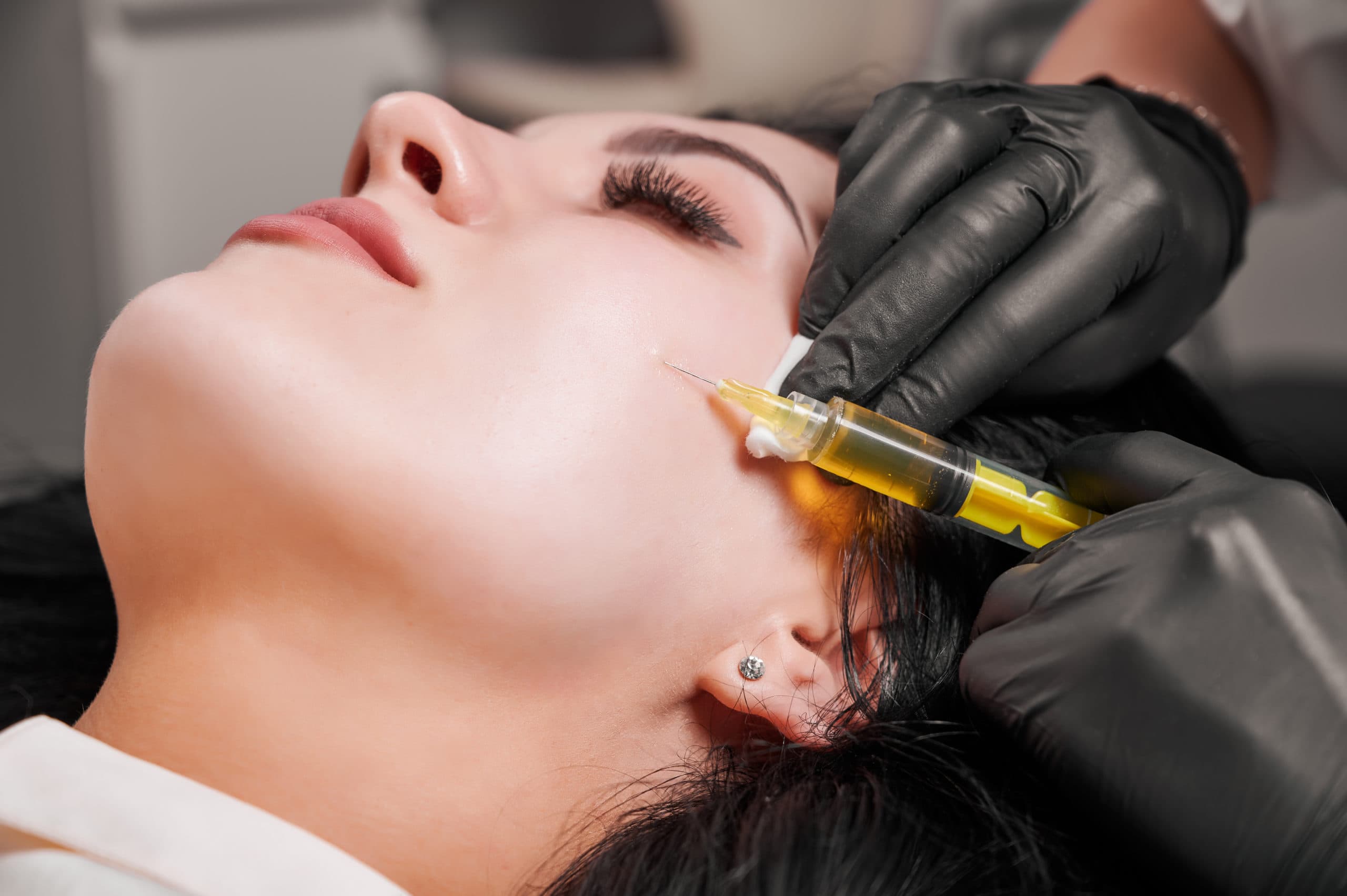
The practitioner then injects the filler into selected areas using an appropriate technique. The procedure is usually completed in a relatively short appointment, although the exact duration varies.
Aftercare and Recovery
Mild swelling, redness, tenderness, and bruising can occur after treatment. These effects are generally temporary, but the recovery experience differs from person to person.
Patients should follow the practitioner’s aftercare instructions, avoid unnecessary pressure on the treated area, and postpone strenuous exercise for the period advised by their clinician.
Severe or increasing pain, unusual skin colour changes, or any vision symptoms after filler injections require urgent medical attention because they may indicate a serious complication.
Understanding the Cheek Fillers cost in Dubai
The Cheek Fillers cost in Dubai can vary depending on several factors. There is no single price that applies to every patient because treatment requirements and product choices differ.
Type and Amount of Filler Used
Different filler products have different characteristics and prices. The amount required also affects the total cost. Someone seeking subtle cheek definition may need a different quantity from someone with more significant volume loss.
The practitioner should explain the proposed product, the amount recommended, and why it is suitable for the treatment area.
Practitioner Experience and Clinic Standards
The practitioner’s qualifications and experience can influence the overall treatment fee. Clinical standards, consultation services, and follow-up arrangements may also affect pricing.
Choosing a provider based only on a low price may overlook important factors such as medical expertise, product suitability, and complication management.
Individual Treatment Goals
Some people want more defined cheekbones, while others want to improve hollow areas associated with ageing. These goals may require different approaches and quantities of filler.
For this reason, patients considering Cheek Fillers in Dubai should request an individual assessment to understand the likely cost of their treatment.
At Altaderma Clinic, patients can discuss their concerns and ask for a clear explanation of the recommended treatment plan and associated fees. The exact Cheek Fillers cost in Dubai should be confirmed directly with the clinic.
How Long Do Cheek Filler Results Last?
The duration of cheek filler results depends on the product used, the amount injected, the individual’s metabolism, and the treatment area. Many hyaluronic acid fillers can last approximately 12 to 24 months, although some products may last for a shorter or longer period.
Ageing continues after treatment, so the face will still change naturally over time. Fillers do not stop the ageing process.
Follow-up appointments can help the practitioner assess the results and determine whether any further treatment is appropriate. Repeat injections should not be automatic; they should be considered according to the patient’s needs and the condition of the existing filler.
Patients should also understand that filler injections carry risks, including infection, lumps, asymmetry, and, rarely, blood vessel blockage that can cause tissue damage or vision loss. Treatment should be performed by a qualified medical professional who understands facial anatomy and can manage complications.
How to Maintain Healthy-Looking Cheeks as You Age
Although natural ageing cannot be stopped, certain habits can support skin health and help maintain a healthy appearance.
- Use sunscreen: Protecting the skin from excessive sun exposure helps reduce photoageing.
- Maintain a balanced diet: A varied diet supports general health and provides nutrients needed for normal skin function.
- Stay hydrated: Adequate water intake supports normal body function, although drinking extra water will not replace lost facial fat.
- Avoid smoking: Smoking can contribute to premature skin ageing.
- Follow a suitable skincare routine: Gentle cleansing, moisturising, and sun protection can help maintain skin condition.
- Seek professional advice: Discuss changes in facial volume with a qualified practitioner before deciding on cosmetic treatment.
These habits can support skin health, but they cannot fully prevent age-related changes in cheek volume.
Why Consider Altaderma Clinic for Cheek Fillers in Dubai?
Choosing a suitable clinic is an important step when considering injectable treatments. Patients should look for qualified medical professionals, appropriate clinical standards, genuine products, and clear information about possible risks.
At Altaderma Clinic, a consultation can help patients understand how age, facial structure, skin quality, and existing volume affect their treatment options.
Patients should feel comfortable asking questions about the recommended filler, expected results, possible side effects, aftercare, and the Cheek Fillers cost in Dubai. They should also receive realistic guidance about what fillers can and cannot achieve.
A personalised treatment plan helps ensure that the decision is based on individual needs rather than age-related assumptions or changing beauty trends.
Conclusion
Age can affect cheek volume through changes in facial fat, skin elasticity, and underlying facial structure. These changes may begin subtly in the 30s and become more noticeable in later decades, although every face ages differently.
Cheek Fillers in Dubai may help improve cheek definition, restore selected areas of lost volume, and create more balanced facial contours. However, fillers are not suitable for every concern, especially when significant loose skin is the main issue.
At Altaderma Clinic, patients can discuss their aesthetic goals, understand the available options, and learn about the factors that influence the Cheek Fillers cost in Dubai. A professional assessment, realistic expectations, and careful treatment planning are important for pursuing natural-looking results at any age.