




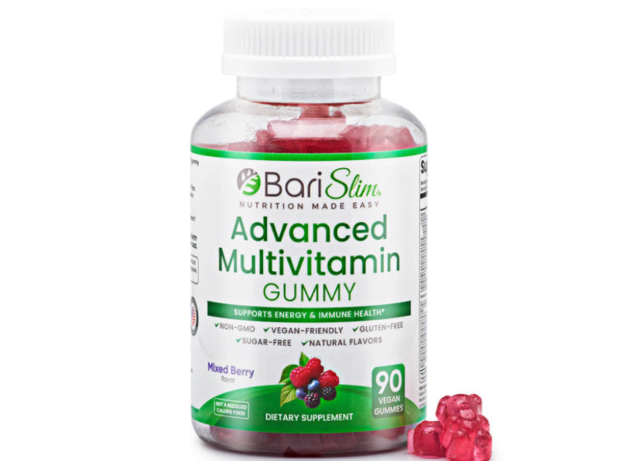
Weight loss surgery can be life-changing, but it also reshapes the way the body takes in food, vitamins, and minerals. Smaller stomach capacity means smaller meals, and in some procedures, parts of the digestive tract are bypassed entirely. Because of these changes, patients often find it hard to meet daily nutritional needs through diet alone, even when eating carefully. This is where a bariatric multivitamin becomes an essential part of recovery and long-term wellness, since it is formulated to fill gaps that regular supplements may leave behind. Skipping this step is one of the most common reasons patients develop deficiencies months or even years after their operation.
Understanding why these gaps appear, which nutrients matter most, and how to build a consistent routine can help protect energy, immunity, and overall health for the long run. This guide explains the essentials in simple terms so you can approach post-surgery nutrition with confidence.
How Surgery Changes Nutrient Absorption
Procedures such as gastric bypass and sleeve gastrectomy limit stomach size, and some also shorten the path food travels through the small intestine, where most nutrients are absorbed. Stomach acid, which helps release vitamin B12 and iron from food, is also reduced after surgery. As a result, the body may struggle to absorb key nutrients even when the diet looks balanced. Patients also tend to eat less protein, dairy, and produce during the early months, which raises the risk of shortfalls. Clinical guidelines therefore recommend lifelong supplementation, with dosages tailored to the type of procedure.
A well-designed bariatric multivitamin typically contains higher levels of certain vitamins and minerals than standard products, and it is often available in chewable, capsule, or liquid forms that are easier to tolerate during the first weeks of healing. Regular blood tests allow healthcare teams to adjust the plan as needs change, which is why follow-up appointments should never be skipped, even when you feel completely well.
Key Nutrients Patients Need to Monitor
Several nutrients deserve special attention after surgery. Vitamin B12 supports nerve function and red blood cell production, while iron helps prevent fatigue and anemia. Calcium, paired with vitamin D, protects bone density, which can decline when absorption drops. Folate, thiamine, zinc, and copper also play important roles in energy metabolism, wound healing, and immune strength. Deficiencies in these areas can appear as hair thinning, weakness, numbness, brittle nails, or trouble concentrating. Because symptoms develop slowly, they are easy to overlook.
Choosing a bariatric multivitamin with a balanced profile of these nutrients helps reduce that risk, though some patients still need separate calcium or B12 supplements depending on lab results. Timing matters as well, since calcium and iron compete for absorption and are best taken at different times of the day. Reading labels carefully and following the guidance of a registered dietitian keeps the routine both safe and effective, and consistency is what makes the biggest difference over time. Ask your care team how often to test your levels so any changes are caught early.
Conclusion
Life after weight loss surgery works best when nutrition is treated as a daily priority rather than an afterthought. Reduced stomach size, altered digestion, and smaller portions all make it harder to obtain essential nutrients from food alone. Patients who have undergone a bypass often benefit from a gastric bypass multivitamin that provides higher levels of B12, iron, and calcium to offset reduced absorption. Whatever the procedure, the goal remains the same: prevent deficiencies before they cause symptoms.
Making a bariatric multivitamin part of your daily habits, along with regular lab work and dietitian support, gives your body the tools it needs to heal and stay strong. Start small, set a reminder, and keep supplements where you will see them each morning. Over time, this simple routine becomes second nature and supports better energy, stronger bones, and lasting health after surgery. Remember that supplements support, rather than replace, a diet rich in lean protein, vegetables, and hydration, so keep focusing on nourishing meals every day.