







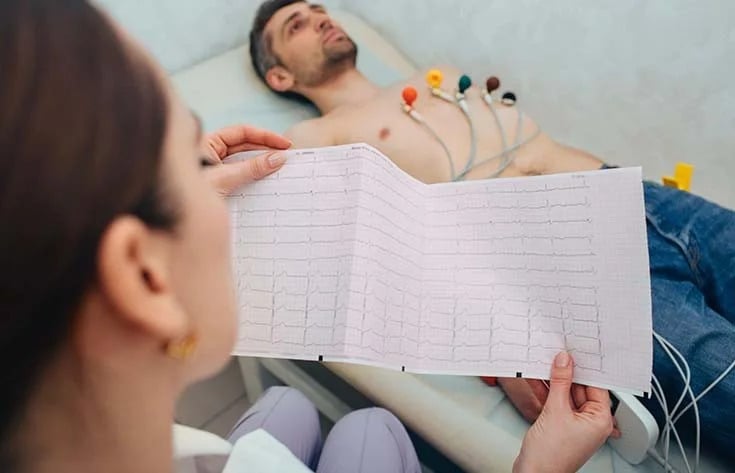
Heart treatment without surgery in Jaipur is an option some patients explore when they want to understand non-invasive approaches to managing heart disease. Depending on the condition, its severity, and the patient’s overall health, treatment may involve prescribed medicines, lifestyle changes, cardiac rehabilitation, and selected therapies such as Enhanced External Counterpulsation (EECP).
Heart conditions such as coronary artery disease, angina, and reduced heart function require careful medical evaluation. Although some patients can manage their condition without an operation, others may need angioplasty, bypass surgery, or another intervention. Understanding the available options helps patients make informed decisions with their healthcare team.
What Is Heart Treatment Without Surgery in Jaipur?
Heart treatment without surgery refers to approaches that manage certain cardiovascular conditions without an operation. The treatment plan depends on the diagnosis, the extent of heart disease, symptoms, and the risk of future complications.
Non-surgical care may include:
- Medicines to manage blood pressure, cholesterol, and other cardiovascular risks.
- Lifestyle changes involving diet, physical activity, sleep, and smoking cessation.
- Cardiac rehabilitation under appropriate medical supervision.
- EECP therapy for selected patients with chronic angina.
- Regular monitoring to assess symptoms and heart function.
These options may help manage symptoms and reduce cardiovascular risks. However, no single treatment is suitable for every heart condition, and non-surgical care cannot always replace a recommended procedure.
Common Heart Conditions That Need Medical Evaluation
Understanding the underlying condition is essential before deciding on treatment.
1. Coronary Artery Disease
Coronary artery disease develops when fatty deposits narrow the arteries supplying blood to the heart. It may cause chest discomfort, breathlessness, or reduced exercise tolerance.
Treatment may involve medicines, risk-factor management, and lifestyle changes. Some patients require angioplasty or bypass surgery depending on the severity and nature of the disease.
2. Angina or Chest Pain
Angina is chest discomfort that occurs when the heart muscle does not receive enough oxygen-rich blood. It may occur during physical activity or emotional stress, although symptoms can vary.
Medical assessment is important to identify the cause and determine suitable treatment. EECP may be considered for selected patients with chronic stable angina, but it is not an emergency treatment for sudden chest pain.
3. Reduced Heart Pumping Function
The heart’s pumping ability is often assessed using the left ventricular ejection fraction (LVEF). A reduced LVEF may indicate that the heart is not pumping blood as effectively as expected.
Treatment can include prescribed medicines, monitoring, lifestyle guidance, and selected devices or procedures where indicated. The appropriate approach depends on the cause and severity of the condition.
4. High Blood Pressure and High Cholesterol
Uncontrolled blood pressure and elevated cholesterol can increase the risk of heart attack, stroke, and other cardiovascular problems.
Regular monitoring, prescribed medicines when required, balanced nutrition, and appropriate physical activity are important parts of long-term heart care.
Non-Surgical Heart Treatment Options
Different approaches may be used to manage heart disease without an operation. A qualified healthcare professional should determine which options are appropriate.
1. EECP Therapy
Enhanced External Counterpulsation, commonly known as EECP, is a non-invasive treatment that uses pressure cuffs placed around the legs. The cuffs inflate and deflate in coordination with the heartbeat to support blood flow towards the heart and reduce the heart’s workload under specific conditions.
EECP may be considered for selected patients with chronic stable angina, particularly when symptoms continue despite medical treatment or when other procedures are unsuitable.
However, EECP is not a guaranteed cure for blocked arteries and does not physically remove arterial plaque. It is not appropriate for every patient, so a clinical assessment is necessary before treatment.
2. Medicines and Risk-Factor Management
Prescribed medicines are often central to treating heart disease. Depending on the diagnosis, these may help control blood pressure, lower cholesterol, prevent blood clots, or reduce angina symptoms.
Patients should take medicines as directed and should never stop prescribed cardiac medication in favour of a natural therapy without consulting their treating clinician.
3. Diet and Lifestyle Changes
Healthy lifestyle habits can support cardiovascular health and complement medical treatment.
Useful measures include:
- Eating a balanced diet rich in vegetables, fruits, whole grains, and suitable protein sources.
- Limiting excessive salt, trans fats, and highly processed foods.
- Following an appropriate physical activity plan recommended by a healthcare professional.
- Maintaining a healthy weight.
- Avoiding smoking and tobacco products.
- Managing stress and maintaining a regular sleep schedule.
People with significant heart disease should seek medical advice before starting strenuous exercise or making major dietary changes.
4. Cardiac Rehabilitation
Cardiac rehabilitation is a supervised programme that may combine exercise, education, nutrition guidance, and support for managing cardiovascular risk factors. It can be useful for eligible patients recovering from certain heart events or procedures and for some people with stable heart conditions.
The programme should be tailored to the patient’s medical needs and physical capacity.
How to Choose a Heart Hospital in Jaipur
Choosing a suitable healthcare facility is an important step in managing heart disease. Look for a centre that provides appropriate diagnostic evaluation, qualified medical supervision, and clear guidance about available treatment options.
Before starting treatment, consider whether the facility:
- Reviews your medical history and previous cardiac reports.
- Provides or arranges appropriate tests, such as an ECG or echocardiogram.
- Explains the benefits, limitations, and possible risks of each treatment.
- Coordinates with cardiologists and other specialists when required.
- Provides follow-up care and monitoring.
- Advises surgical or emergency treatment when medically necessary.
People researching a heart hospital in Jaipur can explore Sevyam’s heart care services and discuss whether its available treatment options are suitable for their individual condition.
Can Heart Disease Be Managed Without Surgery?
Some heart conditions can be managed with medicines, lifestyle changes, and other non-surgical treatments. For certain patients with chronic angina, EECP may also be considered as part of a broader care plan.
However, the decision depends on the specific diagnosis, symptoms, test results, and risk of serious complications. Severe coronary artery disease, certain structural heart problems, or an acute cardiac emergency may require an invasive procedure or surgery.
Patients should seek a second medical opinion when they need clarification about their options, but they should not delay a procedure that their healthcare team considers urgent or necessary.
When Should You Seek Emergency Medical Care?
Sudden chest pain or pressure, severe breathlessness, cold sweating, fainting, or pain spreading to the arm, back, neck, or jaw may indicate a heart attack.
If these symptoms occur, call your local emergency number immediately. In India, dial 112 for emergency assistance. Do not delay emergency care to try EECP, home remedies, or other non-surgical therapies.
Conclusion
Heart treatment without surgery in Jaipur may be suitable for some patients, depending on their heart condition and medical assessment. Medicines, lifestyle changes, cardiac rehabilitation, and selected treatments such as EECP can play a role in managing certain cardiovascular problems.
The most important step is to obtain an accurate diagnosis and discuss the benefits and limitations of available options with a qualified healthcare professional. Non-surgical treatment should support safe, evidence-based care rather than replace a procedure when one is medically necessary. With appropriate treatment and regular follow-up, many patients can manage their heart condition and work towards better long-term health.