
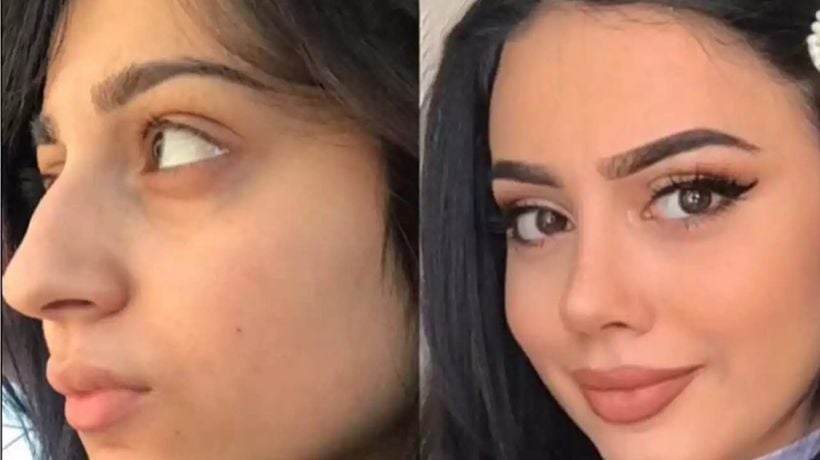
Rhinoplasty is a surgical procedure designed to reshape the nose, improve facial balance, and, in some cases, address breathing difficulties. Achieving satisfactory outcomes depends on several factors, including the patient’s nasal anatomy, surgical planning, the chosen technique, and postoperative care. Consulting the Best Doctors in Dubai can help patients understand their options and make informed decisions about their treatment goals.
For individuals considering Rhinoplasty in Dubai, a thorough consultation is an important first step toward developing a personalized surgical plan. At Perfect Doctors Clinic, Dr Perfect Celebrity can assess individual concerns, discuss suitable treatment approaches, and explain what patients may expect throughout the process. Although no surgeon can guarantee a particular outcome, careful planning and appropriate follow-up can contribute to a safer procedure and more predictable results.
How Can the Best Doctors in Dubai Improve Rhinoplasty Results?
The Best Doctors in Dubai can help improve the likelihood of satisfactory rhinoplasty results by evaluating each patient’s facial features, nasal structure, skin characteristics, and expectations before surgery. A personalized approach is important because every nose has a different shape, internal structure, and functional requirement.
During the initial consultation, the doctor may discuss concerns such as a nasal hump, a wide nasal tip, asymmetry, or difficulty breathing. This assessment helps determine whether the patient’s goals are achievable and which surgical techniques may be appropriate.
Clear communication is equally important. Patients should understand the potential benefits, limitations, recovery requirements, and possible complications of the procedure before making a decision.
Why Is Individualized Surgical Planning Important?
Individualized planning helps align the surgical approach with the patient’s anatomy and desired outcome. Rather than following a standard approach for every patient, the doctor considers the nose’s proportions, structural support, and relationship with other facial features.
This planning may include discussing realistic changes, preserving essential nasal support, and addressing functional concerns when appropriate. These considerations can help improve facial harmony while reducing the risk of an outcome that does not meet the patient’s expectations.
What Should You Look for in the Best Rhinoplasty Doctors in Dubai?
Choosing a qualified professional is an important part of the rhinoplasty journey. Patients researching the Best Rhinoplasty Doctors in Dubai should consider relevant qualifications, surgical experience, knowledge of nasal anatomy, and the ability to explain treatment options clearly.
It is also useful to ask about the doctor’s experience with procedures similar to the one being considered. Rhinoplasty can involve subtle cosmetic changes or more complex structural adjustments, so the surgical plan should reflect the patient’s individual needs.
Patients should review genuine before-and-after photographs when available, understanding that results vary according to anatomy, surgical technique, and healing. They should also discuss the risks, expected recovery period, and arrangements for postoperative appointments.
How Do the Best Plastic Surgeons in Dubai Approach Nasal Surgery?
The Best Plastic Surgeons in Dubai should approach nasal surgery with attention to both appearance and function. The nose plays an essential role in breathing, and changes to its structure must be planned carefully to preserve adequate airflow and support.
Depending on the patient’s concerns, the surgical plan may involve reshaping the nasal bridge, refining the tip, adjusting the nostrils, or correcting structural irregularities. The appropriate technique depends on the patient’s anatomy and treatment objectives.
A balanced approach focuses on proportionate, natural-looking changes rather than pursuing a particular nose shape that may not suit the individual’s facial features.
How Can Rhinoplasty in Dubai Address Cosmetic and Functional Concerns?
Rhinoplasty in Dubai may be considered by individuals who want to change the appearance of their nose or address certain structural problems. Cosmetic concerns can include a prominent bridge, a drooping tip, asymmetry, or a nose that appears disproportionate to the rest of the face.
In selected cases, rhinoplasty may also improve nasal airflow when structural abnormalities contribute to breathing difficulties. However, the procedure’s suitability depends on a careful examination, and additional functional treatment may sometimes be necessary.
Which Rhinoplasty Treatment Options May Be Suitable?
The available Rhinoplasty treatment options depend on the patient’s goals, anatomy, and medical history. Common approaches include:
- Open rhinoplasty: An approach that allows the surgeon to access nasal structures through a small incision across the columella, the tissue between the nostrils.
- Closed rhinoplasty: An approach in which incisions are made inside the nostrils, without an external columellar incision.
- Functional rhinoplasty: Surgery intended to address certain structural problems affecting nasal function.
- Revision rhinoplasty: A procedure considered when a previous rhinoplasty has left persistent concerns or complications.
Not every patient is suitable for every approach. During a consultation at Perfect Doctors Clinic, Dr Perfect Celebrity can discuss relevant options and explain the potential benefits and limitations of an individualized plan.
What Can Rhinoplasty Before and After Photos Tell You?
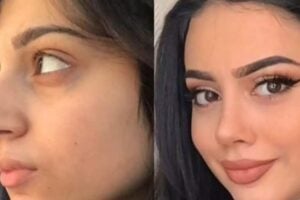
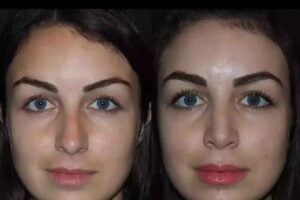
Reviewing Rhinoplasty before and after photographs can help patients understand the types of changes that may be possible. These images can illustrate differences in nasal bridge shape, tip definition, symmetry, and overall facial proportions.
However, photographs should be interpreted carefully. Lighting, camera angles, facial expressions, and image selection can influence how results appear. A result achieved for one patient may not be realistic for another because nasal anatomy and skin thickness vary.
Patients should ask whether the photographs represent comparable cases and whether the images show results after sufficient healing time. It is also important to discuss what can realistically be achieved without compromising nasal support or breathing.
The purpose of reviewing photographs is to support an informed discussion, not to guarantee that an identical result can be reproduced.
How Does Rhinoplasty Recovery Affect the Final Outcome?
Rhinoplasty recovery is an important part of achieving a satisfactory result. Swelling, bruising, temporary congestion, and tenderness can occur after surgery, although the intensity and duration vary among patients.
Initial swelling generally improves over the first several weeks, while subtle swelling, particularly around the nasal tip, may persist for several months. The nose can continue to refine as the tissues heal, and final results may take a year or sometimes longer to become apparent.
Patients can support recovery by following their doctor’s instructions, attending scheduled follow-up appointments, protecting the nose from accidental injury, and avoiding strenuous activities until cleared to resume them.
What Factors Can Influence Rhinoplasty Results?
Several factors can affect the outcome of Rhinoplasty surgery, including:
- Nasal anatomy: Existing bone, cartilage, and structural support influence the changes that can be achieved.
- Skin thickness: Thicker skin may conceal some fine details, while thinner skin can make small irregularities more noticeable.
- Surgical technique: The chosen approach should match the patient’s anatomy and treatment goals.
- Healing response: Swelling and scar formation vary from person to person.
- Aftercare: Following postoperative instructions can help reduce avoidable risks during recovery.
- Realistic expectations: Understanding the limitations of surgery can help patients evaluate their results more appropriately.
Even with careful preparation, healing cannot be predicted perfectly. A responsible treatment plan should acknowledge these variables and explain how concerns will be addressed if they arise.
What Is the Rhinoplasty Cost in Dubai?
The Rhinoplasty cost in Dubai depends on several factors, including the complexity of the procedure, the surgical technique, the facility, anesthesia, and the level of postoperative care required.
As a general reference, rhinoplasty may cost AED 23,299 to AED 30,000. This is an indicative range rather than a confirmed quotation for an individual procedure. Actual fees can vary depending on the patient’s needs and the services included in the treatment package.
Patients researching Rhinoplasty Dubai should request a personalized estimate and clarify whether the quoted fee includes consultation, preoperative assessments, anesthesia, facility charges, medication, and follow-up appointments.
Does a Higher Rhinoplasty Cost Guarantee Better Results?
A higher price does not automatically guarantee a better outcome. Patients should evaluate professional qualifications, relevant experience, safety standards, communication, and the quality of follow-up care rather than relying on price alone.
When comparing a Rhinoplasty clinic in Dubai, it is important to confirm that the procedure will be performed by an appropriately qualified surgeon in a suitable medical facility. Patients should also understand the potential risks and the arrangements available if complications occur.
Choosing treatment based on informed assessment and appropriate clinical standards is more meaningful than selecting a provider solely because of the advertised price.
Why Consider Perfect Doctors Clinic for Rhinoplasty in Dubai?
Patients exploring Rhinoplasty in Dubai can consider Perfect Doctors Clinic for a consultation with Dr Perfect Celebrity to discuss their concerns, expectations, and potential treatment options.
A detailed consultation should include an assessment of nasal structure, a discussion of cosmetic and functional goals, an explanation of suitable techniques, and information about recovery and possible complications. Patients should also have the opportunity to ask questions and understand the limitations of surgery before proceeding.
Those researching the Best rhinoplasty surgeons in Dubai or the Best rhinoplasty surgeon in Dubai should verify the surgeon’s credentials, relevant experience, and the medical facility’s safety standards. These considerations help patients make informed decisions based on individual needs.
Ultimately, successful rhinoplasty involves more than changing the shape of the nose. Careful planning, realistic expectations, appropriate surgical technique, and attentive aftercare all contribute to the overall treatment experience.
Conclusion
The Best Doctors in Dubai can help patients work toward improved rhinoplasty results through personalized assessment, careful surgical planning, and appropriate postoperative guidance. While the final outcome depends on anatomy, healing, and other individual factors, informed decision-making can help patients understand what surgery may realistically achieve.
Whether considering cosmetic refinement or selected functional improvements, patients should research their options, ask questions, and choose a qualified professional who prioritizes safety and clear communication. At Perfect Doctors Clinic, Dr Perfect Celebrity can discuss individual concerns and help patients understand the available approaches to Rhinoplasty Dubai.
Frequently Asked Questions
1. Can the Best Doctors in Dubai improve rhinoplasty results?
Qualified doctors can help improve the likelihood of satisfactory results through careful assessment, individualized planning, appropriate surgical techniques, and postoperative follow-up. However, no particular result can be guaranteed.
2. Who is a suitable candidate for Rhinoplasty in Dubai?
Suitable candidates may include individuals seeking changes to nasal shape or selected structural improvements. A medical assessment is necessary to determine suitability, discuss risks, and establish realistic expectations.
3. What concerns can Rhinoplasty surgery address?
Rhinoplasty may address concerns such as a prominent nasal bridge, a wide or drooping tip, asymmetry, and certain structural abnormalities. The changes possible depend on the patient’s anatomy and treatment goals.
4. How can I choose the Best Rhinoplasty Doctors in Dubai?
Review relevant qualifications, surgical experience, safety standards, before-and-after photographs, communication, and postoperative care arrangements. Ask about risks and the likely limitations of the proposed procedure.
5. What is the Rhinoplasty cost in Dubai?
An indicative price range is AED 23,299 to AED 30,000. The actual cost depends on surgical complexity, the facility, anesthesia, and the services included in the treatment plan.
6. How long does Rhinoplasty recovery take?
Initial swelling and bruising generally improve over several weeks. Subtle swelling can persist for months, and final results may take a year or longer to become apparent.
7. Are Rhinoplasty before and after photographs reliable?
They can help illustrate possible changes, but lighting, angles, and healing stages affect how results appear. Individual outcomes vary, so photographs should support rather than replace a clinical consultation.
8. Can rhinoplasty improve breathing?
Rhinoplasty may improve breathing in selected cases when structural changes address an underlying obstruction. The doctor must assess the cause of the problem and determine whether additional functional treatment is necessary.
9. What Rhinoplasty treatment options are available?
Options may include open, closed, functional, and revision rhinoplasty. The appropriate approach depends on the patient’s anatomy, medical history, previous procedures, and desired outcome.
10. Why is follow-up care important after Rhinoplasty in Dubai?
Follow-up appointments allow the doctor to monitor healing, assess swelling, identify potential complications, and provide recovery guidance. Patients should follow postoperative instructions and report concerning symptoms promptly.