




Hair thinning and excessive hair fall can affect both men and women and may develop due to genetics, hormonal changes, stress, nutritional factors, or scalp conditions. Along with other treatment approaches, dermaroller therapy may be considered for selected hair-loss concerns. Consulting a best hair care clinic in Chennai can help determine whether dermaroller treatment is suitable for your scalp and hair condition.
What Is a Dermaroller?
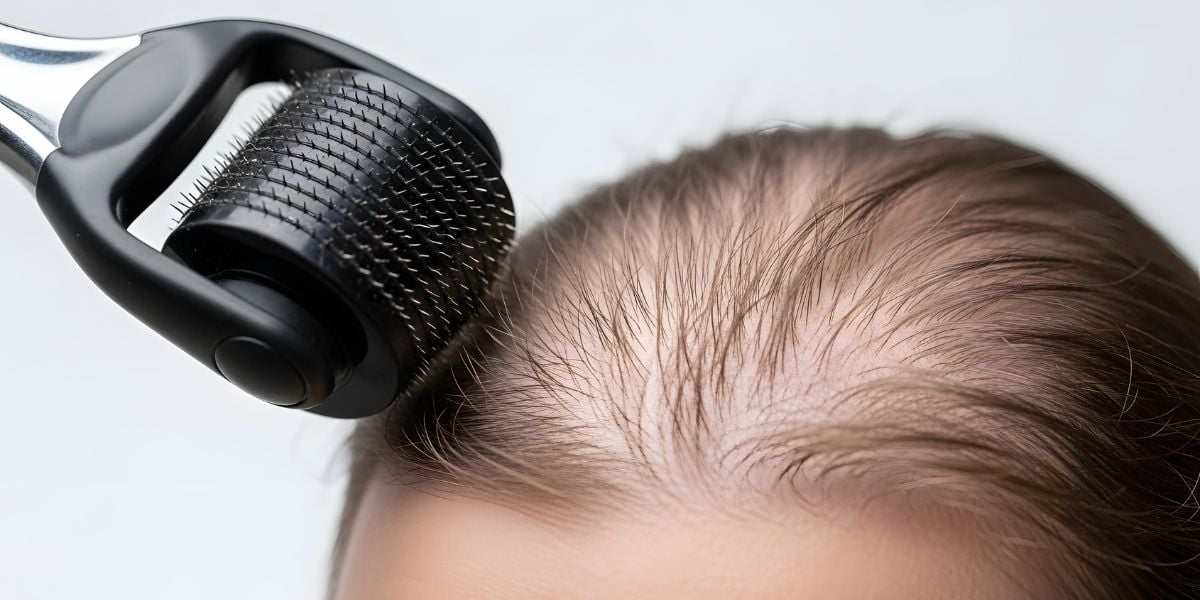
A dermaroller is a handheld device containing fine needles that create controlled microscopic punctures on the surface of the skin. When used on the scalp by a trained professional, this controlled stimulation may support the scalp’s natural healing response.
Dermaroller treatment is sometimes included as part of a broader hair-growth plan, depending on the individual’s type and stage of hair loss.
How Can Dermaroller Support Hair Growth?
Dermaroller therapy works by creating controlled micro-injuries in the scalp. This process may stimulate the body’s natural repair mechanisms and promote activity around the treated area.
The treatment may also improve the scalp environment and can sometimes be used alongside other dermatologist-recommended hair-loss treatments.
However, dermaroller therapy is not suitable for every type of hair loss. A proper scalp assessment should be performed before treatment.
Potential Benefits of Dermaroller Treatment
May Stimulate the Scalp
Controlled micro-injuries can trigger a natural healing response, which may support cellular activity in the treated area.
May Support Existing Hair Follicles
Dermaroller treatment is generally intended to support follicles that are still present and potentially active. It cannot bring back follicles that have been permanently destroyed.
Can Complement Other Treatments
Depending on the patient’s condition, dermaroller therapy may be combined with other dermatologist-guided hair treatments.
Minimally Invasive Approach
Unlike surgical hair restoration procedures, dermaroller treatment does not involve transplanting hair follicles. It uses controlled mechanical stimulation of the scalp.
What Happens During a Dermaroller Treatment?
The treatment process generally involves several steps.
1. Scalp Evaluation
A dermatologist first assesses the pattern of hair loss, scalp health, medical history, and possible underlying causes.
2. Scalp Preparation
The scalp is cleaned and prepared before treatment. Appropriate measures may be taken to improve comfort during the procedure.
3. Controlled Scalp Stimulation
The dermaroller is carefully moved across selected scalp areas to create controlled microscopic punctures.
4. Post-Treatment Care
The patient receives specific aftercare instructions. These may include guidance about washing the scalp, avoiding irritating products, and protecting the treated area.
Is Dermaroller Suitable for Everyone?
Not necessarily. The suitability of dermaroller therapy depends on the type and cause of hair loss, scalp condition, medical history, and other individual factors.
People experiencing active scalp infections, significant inflammation, certain skin conditions, or unexplained sudden hair loss may require evaluation and treatment of the underlying issue before considering scalp stimulation.
Professional assessment is particularly important because inappropriate or excessive use can irritate the scalp.
Dermaroller Treatment at Dermipure Dermaclinic
Dermipure Dermaclinic provides dermatological care for hair and scalp concerns. Depending on the individual’s diagnosis and treatment requirements, dermaroller or microneedling may be considered as part of a personalized hair-growth approach.
The treatment plan is based on factors such as the pattern of hair loss, scalp condition, medical history, and expected treatment goals rather than using the same procedure for every patient.
Dermaroller and Hair-Loss Treatments
Dermaroller therapy may sometimes be used alongside other treatments. For example, a dermatologist may recommend PRP therapy, medication, or other approaches depending on the underlying condition.
Combining treatments should only be done under professional guidance. The most suitable combination depends on the individual’s diagnosis and response to treatment.
Tips for Supporting Hair Growth
Alongside professional treatment, healthy hair-care habits can help reduce avoidable damage:
- Maintain a balanced, nutrient-rich diet.
- Avoid excessively tight hairstyles.
- Limit frequent heat styling.
- Handle wet hair gently.
- Avoid unnecessary chemical treatments.
- Keep the scalp clean and comfortable.
- Address persistent itching, scaling, or inflammation.
- Follow the treatment and aftercare instructions provided by your dermatologist.
Common Mistakes to Avoid
One common mistake is using a dermaroller at home without understanding the correct technique, hygiene requirements, or suitability of the treatment. Improper use may cause unnecessary irritation or injury.
Another mistake is assuming that dermaroller treatment alone can resolve every form of hair loss. Hair loss has many possible causes, and the underlying condition should be identified before choosing a treatment.
It is also important not to expect immediate results. Hair growth is gradual, and treatment response varies between individuals.
When Should You Consult a Dermatologist?
Professional evaluation is recommended if you experience:
- Sudden or excessive hair shedding
- Rapid hair thinning
- Receding hairline
- Noticeable bald patches
- Persistent scalp itching or redness
- Flaking or inflammation
- Hair loss that continues despite basic care
A dermatologist can assess the scalp and determine whether dermaroller therapy or another treatment would be appropriate.
What Results Can You Expect?
Dermaroller treatment does not produce instant hair growth. Any improvement generally takes time because hair follicles follow a natural growth cycle.
Results can vary according to the cause and stage of hair loss, scalp condition, treatment plan, and individual response. Multiple sessions may be recommended in suitable cases.
Following professional advice and maintaining consistent hair and scalp care can support the overall treatment plan.
Conclusion
Dermaroller therapy uses controlled microscopic stimulation of the scalp and may support hair growth in selected individuals. It can be considered as part of a broader treatment plan for certain types of hair thinning.
Since hair loss can have many causes, identifying the underlying condition is the first step. A dermatologist can evaluate the scalp and recommend whether dermaroller therapy, PRP, medication, or another approach is more appropriate.