




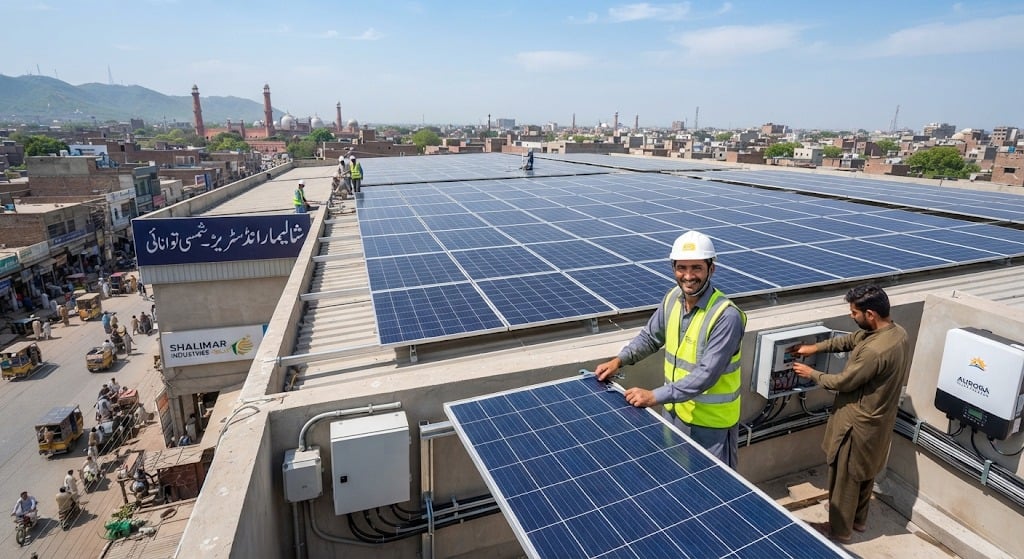
Pakistan’s energy sector is undergoing a significant transformation as households, businesses, industries, and agricultural organizations increasingly explore more efficient and sustainable ways to meet their electricity requirements. Rising energy costs, growing electricity demand, and the need for greater energy reliability have made renewable energy an increasingly important part of the conversation.
Among the available renewable energy technologies, solar power has gained considerable attention because of Pakistan’s strong solar potential and the flexibility of modern photovoltaic systems. Today, solar technology is no longer limited to residential rooftops. It can support commercial facilities, industrial operations, agricultural projects, educational institutions, and a wide range of other applications.
The growing demand for Solar Energy Solutions Pakistan reflects this broader shift toward decentralized and sustainable energy generation. However, selecting an appropriate solar system involves much more than purchasing panels. System capacity, inverter technology, energy storage, installation conditions, electricity consumption, and long-term maintenance all influence the performance and value of a solar investment.
Understanding Modern Solar Energy Solutions
Solar energy systems generate electricity by converting sunlight into usable electrical power through photovoltaic technology. Solar panels capture solar radiation and produce direct-current electricity, which is then converted into alternating current through an inverter for use by electrical appliances and equipment.
Modern solar systems can be designed around the specific requirements of a property. A residential installation may focus on household appliances and essential loads, while a commercial or industrial system may be designed to support substantially higher electricity consumption.
This flexibility makes solar energy suitable for a wide range of applications. Instead of relying on a standard system size, property owners can assess their electricity consumption, available installation area, operating requirements, and future energy needs before selecting an appropriate configuration.
Why Solar Energy Is Gaining Momentum in Pakistan
Pakistan has favorable conditions for solar power, with many regions receiving substantial sunlight throughout the year. This creates an opportunity to use solar generation as part of a broader strategy for improving energy efficiency and reducing dependence on conventional electricity sources.
For households, businesses, and industries, electricity costs are an important operational consideration. Generating a portion of electricity on-site through solar power can provide greater control over energy consumption and may help reduce reliance on grid electricity during periods of strong solar generation.
Beyond financial considerations, solar energy also supports the growing demand for cleaner energy alternatives. As organizations become more conscious of environmental responsibility, renewable energy can form an important component of their sustainability strategies.
Essential Components of a Solar Power System
A professionally designed solar installation consists of several interconnected components. Each element contributes to the overall safety, efficiency, and reliability of the system.
Solar Panels
Solar panels are the primary electricity-generating component of a photovoltaic system. Their performance depends on factors such as efficiency, technology, installation conditions, orientation, shading, and environmental exposure.
When selecting panels, buyers should consider more than the initial purchase price. Product quality, manufacturer reputation, warranty terms, expected performance, and compatibility with other system components are also important considerations.
Solar Inverters
The inverter plays a central role in converting the electricity generated by solar panels into a form that can be used by conventional electrical equipment.
Modern inverters may also provide monitoring capabilities that allow users to track electricity generation and identify potential performance issues. The appropriate inverter depends on system capacity, configuration, energy requirements, and whether battery storage is included.
Battery Storage
Battery storage allows excess solar electricity to be stored and used later. This can be particularly useful when electricity is required outside normal solar-generation hours.
However, batteries are not automatically necessary for every solar installation. The decision should be based on factors such as backup requirements, electricity usage patterns, system configuration, and overall budget.
Mounting and Protection Equipment
Solar panels require a secure mounting structure that can withstand local environmental conditions while maintaining the appropriate positioning of the panels.
A complete installation also requires appropriate electrical protection, wiring, connectors, and other supporting equipment. Professional installation ensures that these components work together safely and efficiently.
Residential Solar Energy Solutions
For homeowners, solar energy can provide an opportunity to generate electricity directly at the property. A properly designed residential system can support a range of household requirements, including lighting, refrigeration, fans, air conditioning, water pumps, and other appliances.
The ideal system size should be determined by actual electricity consumption rather than assumptions based solely on property size. Reviewing previous electricity bills can provide a useful starting point for understanding household energy requirements.
Homeowners should also consider future electricity needs. For example, adding air conditioning units, electric vehicles, water pumps, or other high-consumption appliances may significantly change the property’s energy requirements.
Commercial Solar Energy Solutions
Businesses often operate with substantial and predictable electricity requirements. Offices, retail facilities, warehouses, hotels, educational institutions, and other commercial properties can potentially benefit from integrating solar power into their energy infrastructure.
Commercial solar projects can be designed around the operating schedule of the business. For example, facilities that consume significant electricity during daylight hours may be able to use a considerable portion of their solar generation directly.
Before installation, businesses should assess electricity consumption patterns, available rooftop or ground space, structural conditions, and future expansion plans. A detailed assessment can help ensure that the proposed system aligns with operational requirements.
Solar Power for Industrial Applications
Industrial facilities typically have complex and energy-intensive electrical requirements. Manufacturing equipment, motors, pumps, cooling systems, and production machinery can contribute significantly to overall electricity consumption.
For these facilities, solar power can supplement conventional electricity sources and become part of a broader energy-management strategy. However, industrial solar projects require careful technical planning.
Engineers may need to evaluate electrical loads, equipment requirements, available installation space, roof strength, energy consumption patterns, and future capacity requirements before designing the system.
Solar Energy for Agriculture
Agriculture is another sector where solar technology can offer practical applications. Irrigation systems and water pumps often require dependable energy, particularly in areas where access to conventional electricity may be limited.
Solar-powered water pumping systems can utilize available sunlight to operate pumps during suitable daylight conditions. Depending on the application, solar energy can provide an alternative to conventional electricity or fuel-based pumping.
The appropriate system depends on factors such as pump capacity, water requirements, operating schedule, geographical location, and available solar resources.
On-Grid, Off-Grid, and Hybrid Solar Systems
Solar systems can generally be configured in several ways, with on-grid, off-grid, and hybrid systems being among the most common.
On-Grid Solar Systems
On-grid systems operate in conjunction with the conventional electricity grid. Solar power can supply electricity when generation is available, while the grid can provide additional power when required.
This configuration can be suitable for properties that already have grid access and want to integrate solar generation into their existing electrical infrastructure.
Off-Grid Solar Systems
Off-grid systems operate independently of the conventional electricity network. Battery storage is generally an important component because stored energy may be required when solar generation is unavailable.
These systems can be particularly useful for remote locations where grid electricity is unavailable or unsuitable. However, they require careful sizing to ensure that generation and storage capacity meet the property’s requirements.
Hybrid Solar Systems
Hybrid systems combine solar generation with battery storage and grid electricity. This configuration can provide greater flexibility by allowing users to generate, store, and consume electricity from multiple sources.
For properties where backup power and energy independence are important considerations, a professionally designed hybrid system may provide a practical solution.
Key Benefits of Solar Energy Solutions in Pakistan
The growing adoption of solar technology offers several potential advantages for Pakistani consumers and organizations.
Greater Energy Independence
Generating electricity on-site can reduce dependence on external electricity sources and provide users with greater control over a portion of their energy supply.
Potential Long-Term Cost Benefits
A properly designed solar system may help reduce electricity expenditure over time. The actual financial benefit depends on system cost, electricity consumption, solar generation, maintenance, financing, and other factors.
Sustainable Electricity Generation
Solar power generates electricity without direct combustion of fossil fuels during operation. This makes it an attractive option for organizations and individuals seeking cleaner energy alternatives.
Scalable Energy Infrastructure
Solar systems can be designed for different applications and capacities. This scalability allows technology to be adapted to residential, commercial, agricultural, and industrial requirements.
Improved Energy Planning
Modern solar systems can incorporate monitoring and energy-management technologies, allowing users to understand electricity generation and consumption more effectively.
How to Select the Right Solar Energy Solution
Selecting a solar system should begin with an accurate assessment of energy requirements.
The first step is to review recent electricity bills and determine average and peak electricity consumption. Property owners should then evaluate available installation space, shading, roof condition, and exposure to sunlight.
The next consideration is system configuration. Depending on the property’s requirements, an on-grid, off-grid, or hybrid solution may be appropriate.
Budget should also be considered, but it should not be the only deciding factor. Equipment quality, warranties, installation standards, technical support, and long-term reliability can have a significant impact on the overall value of the system.
Working with an experienced solar professional can help ensure that the selected solution is properly sized and technically appropriate.
The Importance of Professional Solar Installation
Even high-quality solar equipment may perform poorly if it is incorrectly installed. Professional installation is therefore an important part of any solar project.
An experienced installer should assess the property’s electrical infrastructure, installation area, panel positioning, inverter requirements, mounting structure, wiring, and safety equipment.
Professional installation can also help reduce the risk of electrical faults, structural problems, inefficient panel positioning, and other issues that may affect long-term system performance.
Consumers should therefore evaluate an installer based not only on price but also on technical expertise, product warranties, installation standards, customer support, and after-sales service.
Solar System Maintenance and Performance Monitoring
Solar power systems generally require relatively low maintenance, but regular monitoring remains important.
Dust and environmental debris can accumulate on panels and potentially reduce their ability to receive sunlight. Periodic cleaning and inspection can help maintain performance, particularly in areas where dust accumulation is common.
Users should also monitor system output through the inverter or available monitoring platform. Unexpected changes in electricity generation may indicate a technical issue that requires professional inspection.
Battery systems may have additional maintenance requirements depending on the battery technology used. Following the manufacturer’s maintenance recommendations can help protect performance and extend the useful life of the equipment.
The Future of Solar Energy in Pakistan
The future of solar power in Pakistan extends beyond rooftop panels. Advances in battery storage, high-efficiency photovoltaic technology, smart monitoring, and energy-management systems are creating more sophisticated approaches to electricity generation and consumption.
Businesses may increasingly combine solar generation with energy-efficient equipment, storage systems, and intelligent monitoring platforms to improve energy management.
For households, solar can also become part of a broader strategy that includes efficient appliances, backup storage, and smart energy consumption.
As technology continues to evolve and awareness increases, Solar Energy Solutions Pakistan are likely to remain an important part of discussions surrounding energy efficiency, sustainability, and long-term electricity planning.
Conclusion
Solar energy has evolved from a niche renewable technology into a practical energy option for homes, businesses, industries, and agricultural operations. Pakistan’s strong solar potential provides an opportunity to expand the use of renewable electricity while giving consumers greater control over their energy resources.
However, successful solar adoption requires more than purchasing panels. System design, equipment quality, installation standards, energy requirements, storage options, and ongoing maintenance all contribute to long-term performance.
For anyone considering solar power, the most effective approach is to evaluate the complete energy requirement and select a solution based on actual usage rather than short-term trends. With appropriate planning and professional implementation, solar technology can become a valuable component of Pakistan’s evolving energy landscape.
Frequently Asked Questions
1. What are Solar Energy Solutions Pakistan?
Solar Energy Solutions Pakistan refers to solar technologies and complete energy systems designed to meet the electricity requirements of homes, businesses, industries, agricultural facilities, and other properties across Pakistan.
2. Is solar energy a good option for Pakistani households?
Solar energy can be a practical option for many households, particularly properties with adequate sunlight and suitable installation space. The appropriate system depends on electricity consumption, available space, budget, and backup requirements.
3. What is the difference between on-grid and hybrid solar systems?
An on-grid system works alongside the conventional electricity grid, while a hybrid system combines solar generation, battery storage, and grid electricity. Hybrid systems can provide additional flexibility and backup capability.
4. Are solar batteries necessary?
Solar batteries are not required for every system. They are particularly useful when users need backup electricity or want to store excess solar generation for later use.
5. How should I choose a solar system?
Start by reviewing your electricity consumption and identifying your primary energy requirements. Then consider installation space, sunlight exposure, system type, battery requirements, equipment quality, warranties, and professional installation.
6. How much maintenance does a solar system require?
Solar systems generally require limited routine maintenance. However, periodic panel cleaning, system inspections, performance monitoring, and appropriate battery maintenance can help maintain reliable long-term operation.