




Understanding Erectile Dysfunction
erectile dysfunction (ED) may be a condition in which a man cannot get or keep and hard-on tight enough for sex. This worry can be because of cardiovascular conditions, diabetes, hormonal changes, stress, anxiety, lifestyle practices or some medications.
Knowledge of erectile development assists people in deciding on what treatment options are available for them. In most instances, an erection happens when an increase in sexual activity brings an increase in blood flow to penile tissue. Chemical signals make the smooth muscle relax in blood vessels and let more blood into the area. If this process doesn’t function well, it can be difficult to keep an erection.
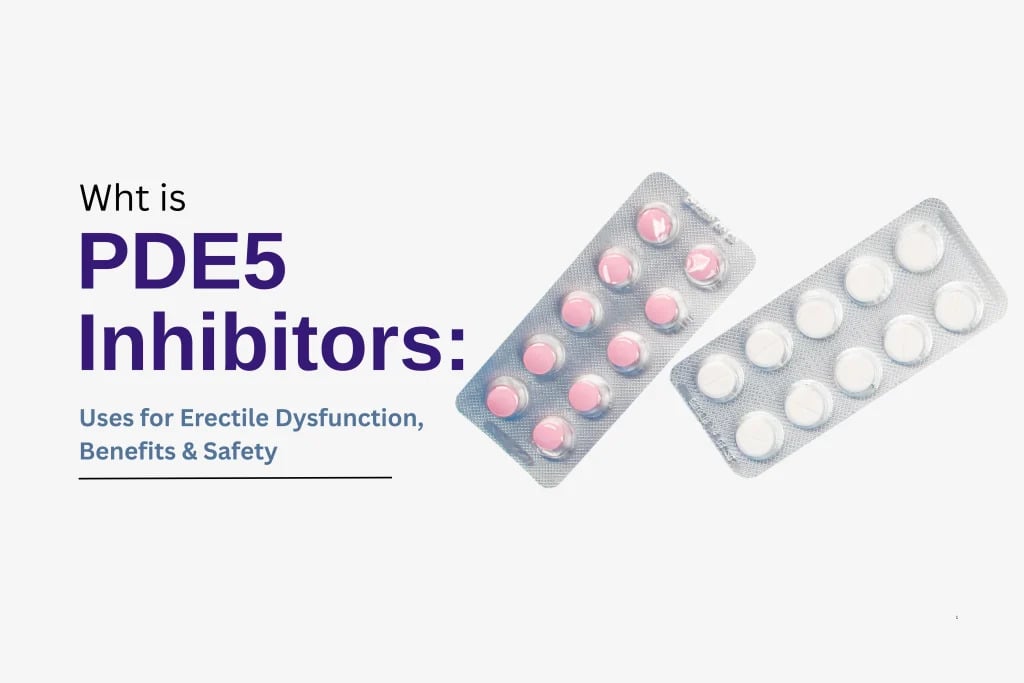
A PDE5 Inhibitor is what?
A PDE5 inhibitor is a type of medicine that is normally used to treat erectile dysfunction. The effect of these medications is achieved through the action of an inhibitor (blocker) of an enzyme called phosphodiesterase type 5, which would normally break down a chemical messenger that is responsible for smooth-muscle relaxation.
The medicine can help this break down, which may help the blood flow naturally when someone is sexually stimulated. It cannot force an erection; it usually needs to be stimulated to get the desired effect.
The individual medicines in this category vary in their properties. They may be different based on how fast they start working, how long the effects last and with what other medicines or health problems they interact.
How Does It Help You with an Erection?
The mechanism is primarily concerned with circulation in the blood. During sexual stimulation, nitric oxide is released within the body, which will be aiding in raising the levels of cyclic guanosine monophosphate (cGMP). This messenger promotes relaxation of smooth muscle and causes the blood vessels to dilate.
cGMP can be lowered by the PDE5 enzyme. A PDE5 inhibitor will slow down that process, and keep cGMP around for longer. This can help to keep penile tissue better supplied with blood, when stimulated in some way during sex.
This mechanism is the reason that these ED medications may work even when ED is occurring, in the presence of natural arousal.
There are various factors that can impact the results.
The response to treatment varies among patients. Erectile function can be affected by age, general health, cardiovascular fitness, psychological factors, alcohol use, smoking and underlying medical problems.
Some medicines also can be affected by timing and by food intake. Certain products may have slower acting after eating, and some products may have less food restrictions. Evidence of telling parents how to medicate or advise on medicine can minimize unnecessary issues.
Users should also not exceed doses of medicines to maximise performance. The more does not mean the better – and can have unwanted side effects.
Common Side Effects
A few individuals feel headache, facial flushing, blocked nose, tummy upset, dizziness or muscle aches. Their affects may be mild or severe, and may occur once or repeatedly.
If someone has serious symptoms, such as chest pain, a severe type of allergic reaction, sudden vision changes, sudden hearing loss, or an erection that lasts for a long time or hurts, he or she should seek immediate medical help.
Any persons who notice reactions that are unusual or continuing should consult a qualified health-care practitioner.
Important Drug Interactions
Care needs to be taken with medications. These types of treatments may be hazardous when combined with nitrate drugs, often used to treat some heart ailments. Both together can lead to a severe low blood pressure.
Also, individuals receiving alpha-blockers, blood-pressure medications, or other therapies should talk to a health care professional about all their medications before taking therapy. Some health issues may need further evaluation prior to that treatment will be started.
But it is also important to refrain from combining choices among recreational drugs and drinking too much alcohol in order to maintain safety of choices.
Selecting an appropriate treatment.
None of the options is going to fit everyone. Before recommending a strategy a health professional may take such factors as the underlying cause of ED, medical conditions, existing medications, treatment objectives, and past treatments into consideration.
A PDE5 inhibitor may be used in the overall management strategy for ED; however, healthy lifestyle habits are also important. Physical activity, a healthy diet, getting enough rest, managing stress, and not using tobacco can help maintain a healthy heart and healthy sex drive.
Final Considerations
Depending on the circumstances, ED may be a sign of more serious health problems than just sexual ones. If the symptoms continue, it might be worth having a medical assessment to determine if there are any cardiovascular, metabolic, hormonal or psychological causes.
Depending upon circumstances, a PDE5 inhibitor can be appropriate and valuable for the right person, if used at the right time. But individuals should seek expert counsel prior to treatment, particularly if they have other medical conditions or are using prescription drugs.