




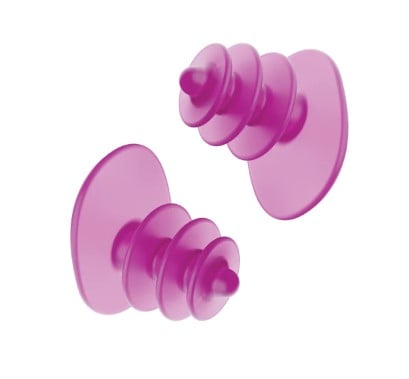
Noise can make it difficult to fall asleep, stay asleep, or maintain a consistent nighttime routine. Traffic, conversations, household activity, pets, and a snoring partner are examples of sounds that may disturb rest. For people who are particularly sensitive to their surroundings, noise cancelling earplugs for sleeping can provide a simple way to reduce unwanted background noise.
Although the term “noise cancelling” is commonly used for earplugs, traditional earplugs generally work through passive noise reduction rather than electronic noise cancellation. They create a physical barrier that reduces the amount of sound reaching the ear. Choosing the right material, shape, and fit is therefore important.
How Noise Cancelling Earplugs for Sleeping Work
Most conventional earplugs reduce sound by creating a seal around or inside the ear. The effectiveness depends on the material, design, fit, and how correctly the earplugs are positioned.
Foam earplugs generally expand within the ear canal, while moldable materials can conform to the contours around the ear opening. NIDCD notes that hearing protectors do not block all sound and that proper use is important for achieving their intended noise reduction.
For sleeping, the design has an additional consideration: comfort. A product that reduces noise effectively but causes pressure or discomfort may be difficult to wear throughout the night.
Why Fit Matters for Sleep
A good fit is one of the most important characteristics of noise cancelling earplugs for sleeping. Even a material designed for strong noise reduction may perform poorly if it does not create an appropriate seal.
Ear anatomy varies considerably from person to person. An earplug that feels comfortable for one sleeper may feel too large or too firm for another. Some sleeping earplugs are therefore designed around softer materials or shapes that accommodate longer periods of use.
Otifleks describes its sleeping earplugs as being available in reusable thermoactive and foam designs, with thermoactive materials intended to adapt to the user’s ear shape.
Choosing Between Different Earplug Materials
Earplugs are available in several materials, and each has different characteristics.
Foam Earplugs
Foam earplugs are widely used because they can expand and conform to the ear canal. They are often disposable or intended for limited use.
For sleepers who prefer a simple option, foam can be practical. However, comfort varies, particularly when earplugs are worn for several hours.
Silicone Earplugs
Silicone ear plugs can be useful for people looking for a soft, moldable material. Moldable silicone can conform to the contours around the ear opening, helping create a seal without requiring the same insertion style as some canal-style plugs.
Otifleks describes its silicone earplugs as medical-grade silicone designed to mold to the ear and provide a secure fit.
Thermoactive Materials
Some reusable sleeping earplugs use materials designed to soften with body heat and adapt to the user’s ear shape. This approach can provide a more personalized fit while allowing the earplugs to be washed and reused according to the manufacturer’s instructions.
What Sounds Can Sleeping Earplugs Reduce?
Noise cancelling earplugs for sleeping can reduce many forms of environmental noise, but they should not be expected to create complete silence.
Common sources of nighttime noise include:
- Traffic
- Snoring
- Conversations
- Television
- Neighbors
- Household appliances
- Dogs and other pets
- Outdoor activity
- General background noise
The amount of reduction depends on the earplug’s design and fit. NIDCD explains that hearing protectors do not block all sound and that noise reduction depends partly on wearing the device correctly.
This distinction is particularly important when choosing products marketed as “noise cancelling.” Passive earplugs reduce sound physically rather than generating an electronic signal to counteract it.
Comfort Is Especially Important for Side Sleepers
Sleeping position can influence which earplug design feels comfortable.
Back sleepers may have fewer concerns about pressure against the ear. Side sleepers, however, may place additional pressure on an earplug and the outer ear when lying on their side.
A low-profile or softer design may therefore be preferable for someone who spends much of the night sleeping on one side. Fit should be evaluated based on both noise reduction and comfort.
If an earplug creates persistent pressure, pain, or irritation, it may not be the appropriate design or size for that individual.
Hygiene and Earplug Maintenance
Reusable earplugs should be kept clean because they come into repeated contact with the ear and surrounding skin.
The appropriate cleaning method depends on the material. Otifleks recommends cleaning reusable silicone and moldable earplugs with warm water and, where appropriate, mild soap, followed by thorough drying. It also advises following material-specific care instructions rather than using harsh chemicals.
Good hygiene practices include:
- Washing reusable earplugs according to manufacturer instructions
- Allowing them to dry completely
- Keeping them in a clean storage case
- Avoiding dirty or damaged earplugs
- Replacing disposable earplugs as recommended
- Stopping use if irritation develops
Keeping earplugs clean is particularly important when they are used regularly.
Can You Wear Earplugs Every Night?
Many people use sleeping earplugs regularly, but comfort and hygiene should remain priorities. Otifleks states that its sleeping earplugs can be used regularly when properly fitted and maintained, while also advising users to pay attention to discomfort or irritation.
A person experiencing persistent ear discomfort, discharge, pain, hearing changes, or other concerning symptoms should stop using the product and seek advice from an appropriate healthcare professional.
Earplugs should also not be inserted farther into the ear canal than the manufacturer’s instructions recommend.
Understanding Noise Reduction Ratings
When comparing noise cancelling earplugs for sleeping, it can be useful to look for the product’s stated noise reduction information.
NIDCD explains that many hearing protectors carry a Noise Reduction Rating, or NRR. Generally, a higher NRR indicates greater potential noise reduction when the protector is worn correctly. However, the rating should not be interpreted as a guarantee that every user will experience the same reduction in real-world conditions.
For sleeping, comfort and proper fit can be just as important as the numerical rating because an uncomfortable product may be difficult to wear consistently.
How to Choose the Right Sleeping Earplugs
When comparing options, consider several factors rather than focusing on noise reduction alone.
Material
Determine whether foam, silicone, wax, or a reusable thermoactive material feels most appropriate for your needs.
Fit
The earplug should remain comfortably in place without creating excessive pressure.
Sleeping Position
Side sleepers may benefit from a softer or lower-profile design.
Reusability
Reusable options can be convenient for regular use, while disposable options may be useful for travel or occasional sleeping.
Cleaning Requirements
Check whether the material can be washed and how it should be stored between uses.
Noise Environment
Consider whether you are dealing with continuous background noise, intermittent sounds, or occasional disturbances. No conventional earplug will eliminate every sound.
Conclusion
Noise cancelling earplugs for sleeping can be a practical option for reducing unwanted nighttime sounds, particularly when the earplug provides a comfortable and appropriate seal. The right choice depends on factors such as material, fit, sleeping position, noise level, and maintenance requirements. For people who prefer a moldable option, silicone ear plugs may provide a flexible fit around the ear opening, while foam and thermoactive designs offer different approaches to sound reduction and comfort. Ultimately, the most suitable sleeping earplug is one that fits correctly, remains comfortable for the intended period, and is maintained according to its manufacturer’s instructions.