






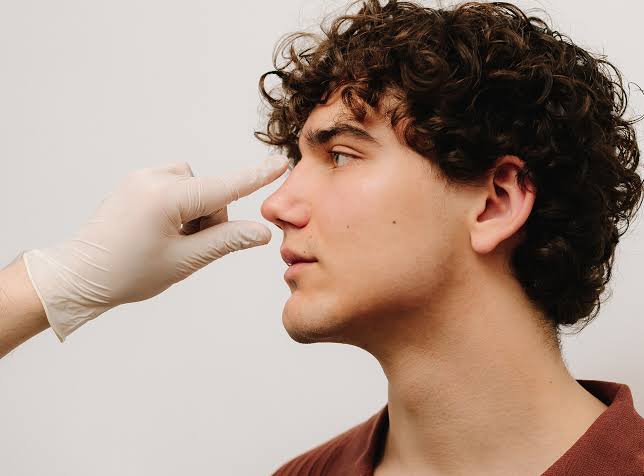
Healthy skin is about more than appearance. It protects the body, helps regulate temperature, and can provide important clues about overall health. Yet, many men overlook their skincare needs until they experience persistent acne, hair loss, irritation, pigmentation, or other visible changes.
Consulting a male dermatologist in Dubai can help men understand their skin concerns, identify possible underlying causes, and explore appropriate treatment options. Whether the goal is to manage a long-standing skin condition, address signs of ageing, or establish a practical daily skincare routine, professional dermatological guidance can make a meaningful difference.
Dubai’s hot climate, intense sunlight, humidity, and frequent exposure to air conditioning can also influence skin health. Understanding these environmental factors and choosing the right approach to skincare are important steps towards maintaining healthy skin.
With guidance from medical professionals such as Dr. Mayur Bhobe, men can make more informed decisions about their dermatological needs and develop a skincare approach suited to their individual concerns.
Why Is Dermatological Care Important for Men?
Men’s skin has some structural and physiological differences from women’s skin. On average, male skin is thicker and may produce more sebum, or natural oil, under the influence of androgens. However, individual skin characteristics vary considerably, and these differences do not mean every man requires the same skincare routine.
Professional dermatological care can help address common concerns while supporting long-term skin health.
Some reasons men seek dermatological advice include:
- Persistent acne: Breakouts, clogged pores, inflammation, and acne scars can affect adults as well as teenagers.
- Excess oil and enlarged pores: Increased sebum production may contribute to a shiny appearance and frequent breakouts.
- Shaving-related irritation: Razor bumps, ingrown hairs, and redness can cause ongoing discomfort.
- Pigmentation and uneven skin tone: Sun exposure, inflammation, and certain skin conditions may contribute to dark spots.
- Hair and scalp concerns: Hair thinning, dandruff, itching, and inflammation may require medical assessment.
- Signs of ageing: Fine lines, changes in skin texture, and sun-related damage can become more noticeable over time.
- Suspicious skin lesions: New or changing moles, persistent sores, or unusual growths should be evaluated by a qualified medical professional.
A dermatologist assesses the concern, considers relevant medical history, and recommends management based on the patient’s needs rather than relying on a one-size-fits-all approach.
Common Skin Concerns Among Men in Dubai
1. Acne and Excess Oil
Acne is not limited to adolescence. Adult men can experience inflammatory pimples, blackheads, whiteheads, and deeper lesions that may leave permanent scars if not managed appropriately.
Heat, sweating, friction, and unsuitable skincare products can aggravate breakouts in some individuals. However, acne is a complex condition influenced by several factors, including hormones, genetics, and inflammation.
A dermatologist may recommend topical treatments, prescription medication, or other suitable options depending on the severity and type of acne. Men with painful nodules, recurring breakouts, or developing scars should seek professional advice instead of repeatedly changing over-the-counter products.
2. Razor Bumps and Ingrown Hairs
Frequent shaving can irritate the skin, particularly when hair curls back into the skin after removal. This can lead to razor bumps, inflammation, and occasionally secondary infection.
Practical steps that may help include:
- Shaving after softening facial hair with warm water.
- Using a suitable shaving gel or cream.
- Shaving in the direction of hair growth where possible.
- Avoiding repeated passes over the same area.
- Cleaning shaving equipment and avoiding excessively close shaving.
If bumps persist, become painful, or develop pus, a dermatologist can assess whether the problem involves ingrown hairs, folliculitis, or another skin condition. Treatment depends on the underlying cause.
3. Sun Damage and Pigmentation
Dubai’s sunny environment makes sun protection an essential part of everyday skincare. Repeated ultraviolet (UV) exposure can contribute to uneven pigmentation, premature skin ageing, and an increased risk of skin cancer.
Dark spots may also develop after acne, irritation, or inflammation. Because different pigmentation conditions can look similar, professional assessment is useful when spots persist, spread, or change.
Daily sun protection should include a broad-spectrum sunscreen with SPF 30 or higher, applied generously to exposed skin. Reapplication is important, particularly after sweating, swimming, or prolonged outdoor activity. Hats, protective clothing, and shade provide additional protection.
A dermatologist can determine whether pigmentation requires topical treatment, an in-clinic procedure, or further investigation.
4. Hair Loss and Scalp Conditions
Hair thinning is another common reason men seek dermatological care. Male-pattern hair loss is often associated with genetic susceptibility and sensitivity to androgen hormones. Other causes can include scalp inflammation, certain illnesses, nutritional deficiencies, and medication-related effects.
The correct approach depends on the type of hair loss. A dermatologist may examine the scalp, review the pattern and timeline of shedding, and recommend additional investigations when appropriate.
Treatment options may include evidence-based medications or selected procedures, depending on the diagnosis and the individual’s circumstances. Early assessment can be particularly helpful when hair loss is progressing rapidly or accompanied by itching, pain, scaling, or patchy bald areas.
5. Early Signs of Skin Ageing
Fine lines, uneven texture, and loss of skin elasticity can develop gradually. Although ageing is a natural process, UV exposure, smoking, and certain lifestyle factors can influence how the skin changes over time.
A consistent routine that includes gentle cleansing, moisturising, and sun protection provides a practical foundation for skin maintenance. Depending on individual concerns, a dermatologist may also discuss prescription skincare ingredients or suitable cosmetic procedures.
The aim should be to choose treatments that are appropriate for the patient’s skin, medical history, and expectations rather than pursuing unnecessary procedures.
How to Choose the Right Male Dermatologist in Dubai
Choosing a dermatologist involves more than finding a convenient location. The most suitable professional should be appropriately qualified, attentive to the patient’s concerns, and able to explain treatment options clearly.
Consider the following factors when selecting a dermatologist:
Relevant medical qualifications: Confirm that the practitioner is licensed to practise dermatology in Dubai and has appropriate qualifications for the services offered.
Experience with your concern: Someone seeking treatment for acne may have different needs from someone concerned about hair loss, pigmentation, or skin cancer screening.
Clear explanations: A good consultation should help you understand the possible causes of your concern, available treatment options, expected timelines, and potential risks.
Individualised treatment planning: Skin type, medical history, medications, lifestyle, and personal preferences can all influence treatment decisions.
Follow-up and continuity of care: Some skin conditions require ongoing monitoring or adjustments to treatment. Follow-up appointments can help assess progress and address side effects.
When researching a male dermatologist in Dubai, patients may also consider Dr. Mayur Bhobe as a name to explore when reviewing available dermatological care. Before booking, verify the practitioner’s current credentials, scope of practice, and suitability for your particular concern.
What Happens During a Dermatology Consultation?
A dermatology appointment generally begins with a discussion of symptoms, medical history, skincare habits, medication use, and previous treatments. The dermatologist may then examine the affected skin, hair, or nails and determine whether further assessment is needed.
Depending on the concern, the consultation may involve:
- Clinical assessment: Understanding the symptoms, their duration, and any factors that make them better or worse.
- Diagnosis or further investigation: Identifying the likely condition and considering whether tests or specialist evaluation are necessary.
- Treatment discussion: Reviewing suitable options, including their potential benefits, limitations, risks, and costs where relevant.
- Skincare recommendations: Establishing a practical routine and discussing habits that may help prevent recurrence.
- Follow-up planning: Determining whether progress should be reviewed and when to seek further care.
Patients can prepare by listing their symptoms, bringing information about medications and previous treatments, and noting any changes they have observed. Clear communication helps make the consultation more useful.
Building a Practical Daily Skincare Routine
A healthy skincare routine does not need to involve numerous products. Consistency and choosing products appropriate for your skin type are generally more useful than following complicated routines.
Morning Routine
- Cleanse gently: Use a mild cleanser that removes excess oil and sweat without leaving the skin excessively dry.
- Moisturise: Choose a suitable moisturiser, including a lightweight, non-comedogenic option if you are prone to acne.
- Apply sunscreen: Use broad-spectrum SPF 30 or higher on exposed skin and reapply as directed.
Evening Routine
- Cleanse again: Remove sunscreen, dirt, and accumulated oil.
- Use targeted treatments when appropriate: Ingredients such as retinoids or other acne treatments may help certain concerns, but selection and use should account for skin sensitivity, contraindications, and professional guidance where needed.
- Moisturise: Support the skin barrier and reduce dryness or irritation.
Avoid introducing several active ingredients at once, as this can make irritation more likely and make it difficult to identify the cause of a reaction.
Men should also seek medical advice for persistent rashes, recurring infections, severe acne, or unusual skin changes rather than relying solely on cosmetic products.
When Should You See a Dermatologist?
You do not need to wait until a skin concern becomes severe before seeking professional advice. Persistent symptoms, recurring inflammation, unexplained hair loss, and changes in existing skin lesions are all reasonable reasons to arrange an appointment.
Seek prompt medical assessment if a mole changes in size, shape, or colour; a lesion repeatedly bleeds; or a sore fails to heal. A rapidly changing or suspicious lesion should not be treated with cosmetic products before it has been assessed.
Sudden widespread blistering, rapidly spreading redness with fever, or swelling accompanied by breathing difficulties requires urgent medical attention.
Early evaluation can help distinguish minor concerns from conditions that need specific treatment.
Frequently Asked Questions
1. What does a male dermatologist in Dubai treat?
A dermatologist treats medical conditions affecting the skin, hair, and nails. Common concerns include acne, eczema, pigmentation, shaving irritation, hair loss, scalp disorders, and suspicious skin lesions. Some dermatologists also provide selected cosmetic treatments.
2. Is a male dermatologist better for men’s skin problems?
A dermatologist’s gender does not determine their clinical ability. Men may prefer a male dermatologist for personal comfort, but qualifications, relevant experience, communication, and the suitability of the proposed treatment are more important considerations.
3. How often should men visit a dermatologist?
There is no single schedule for everyone. Men with chronic skin conditions or ongoing treatment may need regular follow-ups, while others can arrange appointments when concerns arise. People at increased risk of skin cancer may require individualised skin examinations.
4. Can a dermatologist help with acne scars and dark spots?
Yes. Depending on the cause and severity, treatment may involve topical medications, prescription treatments, chemical peels, or selected procedures. The dermatologist should first assess the skin and determine which options are appropriate, including their risks and limitations.
5. How can men protect their skin in Dubai’s climate?
Use a gentle cleanser, an appropriate moisturiser, and broad-spectrum SPF 30 or higher sunscreen. Reapply sunscreen during extended outdoor exposure, limit excessive sun exposure, and cleanse after heavy sweating. Persistent irritation, pigmentation, or other skin concerns should be assessed professionally.
Conclusion
Maintaining healthy skin requires a combination of consistent daily care, appropriate sun protection, and timely medical advice when concerns arise. From acne and shaving irritation to pigmentation, hair loss, and suspicious skin changes, the right dermatological approach begins with understanding the underlying problem and choosing treatments suited to individual needs.
For men exploring professional skincare guidance in Dubai, Dr. Mayur Bhobe is a practitioner to consider researching alongside other appropriately qualified dermatology professionals. Verifying credentials and discussing personal concerns during a consultation can help patients make informed decisions and work towards healthier, well-cared-for skin.