





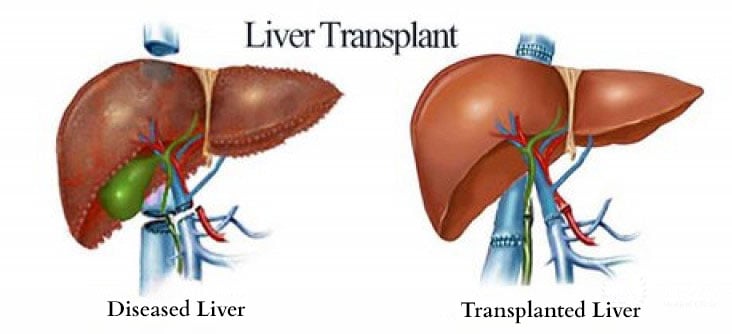
A liver transplant is a major medical procedure that can offer a treatment option for people with severe liver disease when other treatments are no longer sufficient. However, deciding when a transplant is necessary and choosing the right medical team can feel overwhelming for patients and their families. Understanding the process, knowing what to expect, and asking the right questions can make the journey more manageable.
For patients exploring care options in Noida, finding a qualified liver transplant specialist in noida is an important step towards receiving an appropriate evaluation and developing a treatment plan suited to their condition. Specialists involved in liver transplantation help assess liver function, evaluate transplant eligibility, coordinate investigations, and guide patients through different stages of care.
Dr Vishal Kumar Chorasiya is a name patients may consider while exploring liver transplant-related medical care. Before choosing a specialist, patients should review relevant qualifications, clinical experience, hospital facilities, and the availability of a multidisciplinary team to ensure their needs are addressed.
What Does a Liver Transplant Specialist Do?
A liver transplant specialist helps evaluate and manage patients with advanced liver disease who may need a liver transplant. Depending on the specialist’s role, their responsibilities may include assessing transplant eligibility, coordinating diagnostic tests, discussing treatment options, and supporting patients before and after surgery.
Liver transplantation involves several medical professionals, including transplant surgeons, hepatologists, anaesthesiologists, intensive care specialists, nurses, and other healthcare providers. Their combined expertise helps address the complex needs of patients undergoing transplantation.
Conditions That May Require a Liver Transplant Evaluation
A transplant evaluation may be considered when the liver can no longer perform its essential functions adequately or when a serious liver condition progresses despite appropriate treatment.
Conditions that may lead to an evaluation include:
- Advanced cirrhosis: Extensive scarring that interferes with normal liver function.
- Acute liver failure: A sudden, severe decline in liver function that may require urgent specialist assessment.
- Liver cancer: Certain patients with liver cancer may be eligible for transplantation, depending on tumour characteristics and other medical factors.
- Inherited liver disorders: Some genetic conditions can cause serious liver damage.
- Chronic liver disease complications: Problems such as recurrent fluid accumulation, internal bleeding related to portal hypertension, or worsening liver function may prompt transplant evaluation.
Not every patient with liver disease needs a transplant. The decision depends on the underlying condition, disease severity, available treatments, overall health, and an individual assessment by the medical team.
Why Is Choosing the Right Liver Transplant Specialist Important?
Choosing a specialist is about more than finding someone who performs a particular procedure. Patients need clear explanations, a thorough evaluation, access to appropriate facilities, and a care team that can support them throughout treatment and recovery.
When comparing specialists in Noida, consider the following factors.
1. Relevant Qualifications and Clinical Experience
Look for appropriate medical qualifications, transplant-related training, and experience managing patients with advanced liver disease. It is also helpful to understand whether the doctor primarily provides medical liver care, performs transplant surgery, or coordinates transplant evaluations.
These roles are related but different. Knowing the specialist’s responsibilities can help patients choose the right professional for their current needs.
2. Access to a Multidisciplinary Transplant Team
Liver transplantation requires coordination across several medical specialties. A suitable transplant programme should be able to arrange surgical assessment, liver disease management, anaesthesia, critical care, laboratory testing, imaging, and post-transplant follow-up as needed.
Patients should ask whether the specialist works with a dedicated transplant team and where the procedure would be performed if transplantation becomes necessary.
3. Clear Communication and Patient Support
Patients and families often have concerns about surgical risks, recovery time, donor suitability, costs, and long-term medication. A good consultation should provide an opportunity to discuss these concerns without pressure.
The specialist should explain the available options in understandable language and clarify which decisions depend on further investigations.
4. Follow-Up and Long-Term Care
Liver transplantation is not a one-time treatment that ends after surgery. Recipients generally require lifelong medical follow-up, regular blood tests, medication to prevent organ rejection, and monitoring for possible complications.
Before choosing a care team, ask how follow-up appointments are organised, how urgent concerns are handled, and whether the team can coordinate ongoing care close to home.
What Happens During a Liver Transplant Evaluation?
A liver transplant evaluation determines whether transplantation is appropriate and whether the patient can safely undergo the procedure. It also helps the medical team understand the potential benefits, risks, and other available treatment options.
Although the exact process varies, it commonly includes several stages.
Medical History and Physical Examination
The specialist reviews the patient’s symptoms, previous treatments, existing medical conditions, current medicines, and family history where relevant. A physical examination helps identify signs of liver disease and other health concerns that may affect treatment planning.
Blood Tests and Imaging
Blood tests help assess liver function, kidney function, blood counts, clotting, and other important health indicators. Imaging studies, such as ultrasound, CT scans, or MRI, may be used to examine the liver, blood vessels, and surrounding structures.
Additional tests depend on the patient’s condition and the transplant centre’s assessment.
Assessment of Overall Health
The team evaluates whether the patient can safely undergo major surgery and manage recovery afterwards. Heart and lung assessments, infection screening, nutritional evaluation, and other investigations may be required.
Psychological support and social circumstances may also be considered because transplantation involves substantial physical, emotional, and practical demands.
Donor and Transplant Planning
If a patient is considered suitable, the transplant team explains the relevant options. These may include transplantation from a deceased donor or, where appropriate, a living donor.
Living donation requires careful evaluation of both the recipient and the donor. Donor safety, informed consent, compatibility, and applicable legal requirements are essential considerations. Eligibility and the availability of a suitable donor cannot be guaranteed.
Preparing for Your First Consultation in Noida
Preparing a few details before meeting a liver transplant specialist can make the consultation more productive. It also helps the doctor understand the patient’s medical history and identify which evaluations may be needed.
Consider bringing:
- Previous blood test reports and liver function results.
- Ultrasound, CT, MRI, or other relevant imaging reports.
- A list of current medicines and supplements.
- Details of previous hospital admissions and procedures.
- Information about existing medical conditions, allergies, and past treatments.
- Questions about transplant eligibility, treatment alternatives, risks, and expected expenses.
Patients should also bring a family member or trusted companion if they would find additional support helpful.
Useful questions to ask include:
- What is causing the liver disease, and how advanced is it?
- Is a transplant necessary now, or are other treatments appropriate?
- Which tests are needed before a decision can be made?
- What are the possible risks and expected benefits?
- Where would the transplant take place, and who would provide follow-up care?
- What expenses may be involved, including investigations, hospitalisation, medicines, and long-term monitoring?
These questions can help patients make informed decisions rather than relying solely on online information or informal recommendations.
Understanding Liver Transplant Costs and Practical Considerations
The cost of a liver transplant varies considerably depending on the hospital, the patient’s medical condition, the complexity of surgery, the length of hospitalisation, and the treatment required before and after the procedure.
There is no single cost that applies to every patient in Noida. A reliable estimate should be obtained directly from the hospital or transplant programme after an initial assessment.
When requesting a cost breakdown, ask about:
- Pre-transplant investigations and consultations.
- Donor evaluation, where applicable.
- Surgery, anaesthesia, and intensive care.
- Hospital room charges and additional procedures.
- Medicines and follow-up investigations.
- Management of complications, if they occur.
- Insurance coverage, payment arrangements, and possible exclusions.
It is important to clarify what the quoted package includes and which expenses may be charged separately. Families should also plan for transport, accommodation, time away from work, and follow-up visits.
Financial planning should not replace medical suitability when choosing a transplant centre. The experience of the team, available facilities, quality of communication, and continuity of care are equally important considerations.
Recovery and Life After a Liver Transplant
Recovery after a liver transplant differs from person to person. The initial hospital stay depends on the patient’s condition and progress, while returning to everyday activities may take several weeks or months.
During recovery, the medical team monitors liver function, wound healing, infection risk, kidney function, and other possible complications. Patients receive guidance on nutrition, physical activity, hygiene, and follow-up schedules.
Why Long-Term Monitoring Matters
Anti-rejection medicines, also known as immunosuppressants, help prevent the immune system from attacking the transplanted liver. These medicines must be taken according to the transplant team’s instructions and usually continue for life.
Patients should not stop or change these medicines without medical guidance. They should also attend scheduled appointments, complete recommended blood tests, and discuss any new symptoms or medication side effects with their healthcare team.
A personalised recovery plan can help patients understand their responsibilities and recognise when they need medical attention.
When Should You Seek Urgent Medical Attention?
People with known liver disease should contact their medical team if symptoms worsen or new complications develop. Some symptoms require immediate assessment rather than waiting for a routine appointment.
Seek urgent medical attention for symptoms such as new confusion, unusual drowsiness, vomiting blood, black stools, or rapidly worsening jaundice. Severe abdominal swelling accompanied by fever or significant pain also warrants urgent evaluation.
Sudden deterioration in liver function can be serious. Patients should follow their doctor’s instructions regarding emergency care and should not delay treatment while searching for a specialist online.
Finding Liver Transplant Care with Confidence
Finding the right specialist involves understanding your diagnosis, checking relevant clinical credentials, reviewing the facilities available, and ensuring that appropriate follow-up care is accessible. Patients should take time to discuss treatment alternatives, transplant eligibility, donor considerations, potential risks, and the practical demands of recovery.
Dr Vishal Kumar Chorasiya is a name patients can explore while researching liver transplant-related care in Noida. Before making a decision, verify his current qualifications, relevant transplant experience, clinical role, and hospital affiliation directly with the provider. A well-informed consultation can help patients and their families understand their options and plan the next steps with greater confidence.
Frequently Asked Questions
1. How do I choose a liver transplant specialist in Noida?
Check the doctor’s qualifications, relevant clinical experience, role in transplant care, and association with an appropriately equipped transplant centre. Also consider the availability of multidisciplinary support, clear communication, and long-term follow-up services.
2. When should someone consult a liver transplant specialist?
A consultation may be appropriate when a patient has advanced cirrhosis, worsening liver function, acute liver failure, or certain liver cancers. A hepatologist or treating doctor can help determine whether a transplant evaluation is necessary.
3. Is every patient with cirrhosis eligible for a liver transplant?
No. Eligibility depends on the severity and cause of liver disease, other medical conditions, overall fitness for surgery, and individual transplant-centre criteria. Some patients may benefit from other treatments and continued monitoring instead.
4. How much does a liver transplant cost in Noida?
The cost varies according to the hospital, medical complexity, investigations, surgery, hospital stay, and follow-up requirements. Patients should request an itemised estimate from the transplant centre and confirm insurance coverage and exclusions.
5. How long does recovery after a liver transplant take?
Initial recovery and hospitalisation vary depending on the patient’s condition and any complications. Returning to normal activities may take several weeks or months, and lifelong monitoring and anti-rejection medication are generally necessary.
Conclusion
Choosing a liver transplant specialist is an important decision that requires careful evaluation of medical needs, clinical expertise, hospital facilities, and long-term support. Patients should seek personalised advice, understand the available treatment options, and verify the credentials and experience of their chosen medical team. Dr Vishal Kumar Chorasiya can be considered as part of this research, with direct confirmation of his current transplant-related role and credentials helping patients make an informed decision about their care.