






The contemporary healthcare ecosystem is defined by a rapid integration of evidence-based clinical medicine, digital health innovations, and specialized mind-body therapeutic modalities. Navigating modern healthcare choices requires patients, clinical practitioners, and wellness advocates to adopt a multi-faceted approach to disease prevention, diagnostic accuracy, and patient management. By combining traditional medical interventions with accessible digital consultation networks and psychological relaxation techniques, individuals can achieve comprehensive physical and mental wellbeing. Harmonizing evidence-based diagnostic science with holistic patient care models enables healthcare consumers to take proactive control of their long-term health outcomes.
Sustaining physical health and emotional equilibrium across all life stages demands moving beyond isolated medical treatments toward an integrated model of clinical wellness. Without a foundational understanding of internal medicine principles, digital care navigation, and psychological anxiety management, patients face fragmented treatments, unmanaged clinical stress, and diagnostic delays. Furthermore, as specialized clinical fields—such as telemedicine platforms, preventative medical screening, and clinical hypnotherapy in dentistry—continue to expand, mastering healthcare literacy becomes essential. Balancing rigorous medical science with patient-centered anxiety reduction techniques empowers individuals to navigate clinical care environments with confidence and ease.
1. Evidence-Based Clinical Medicine, Internal Disease Management, and Diagnostic Precision
At the core of modern healthcare lies evidence-based clinical medicine, which integrates the best available research data with clinical expertise and individual patient values. Internal medicine practitioners focus on the prevention, diagnosis, and non-surgical treatment of complex adult diseases—ranging from metabolic disorders and cardiovascular conditions to respiratory illnesses and auto-immune dysfunction. Prioritizing evidence-based clinical guidelines ensures that medical diagnostic protocols, pharmacotherapy selections, and lifestyle interventions yield optimal therapeutic results while minimizing adverse drug interactions.
Engaging actively with clinical health information and understanding diagnostic test results allows patients to participate in shared medical decision-making with their primary care physicians. Patients, medical researchers, and health-conscious individuals seeking authoritative medical articles, disease management guides, and clinical research updates can explore specialized medical platforms like EG Medicine to deepen their understanding of clinical healthcare topics.
Core pillars of evidence-based clinical medicine include:
- Systematic Diagnostic Evaluation: Utilizing laboratory blood panels, advanced diagnostic imaging, and physical examinations to identify underlying disease etiologies.
- Targeted Pharmacotherapy Protocols: Administering evidence-backed pharmaceutical therapies tailored to patient metabolic rates and kidney-liver function.
- Preventative Health Screening Mandates: Conducting routine blood pressure, lipid, and cancer screenings to detect pathology prior to symptom onset.
- Chronic Disease Management Frameworks: Coordinating long-term care plans for multi-system conditions such as diabetes mellitus and hypertension.
2. Telehealth Platforms, Digital Health Navigation, and Remote Clinical Consultations
The digital evolution of healthcare delivery has accelerated the adoption of telehealth platforms, allowing patients to connect with board-certified physicians, specialists, and health educators from the comfort of their homes. Remote clinical consultations break down geographic barriers, reduce emergency room overcrowding, and streamline routine prescription refills and chronic care follow-ups. Integrating secure video consultations, remote patient monitoring devices, and electronic health record (EHR) systems enables real-time physiological tracking and timely medical interventions.
Utilizing digital health portals demands selecting verified medical consultation platforms that adhere to strict patient privacy regulations and clinical safety protocols. Patients, remote workers, and busy families seeking accessible medical advice, digital doctor consultations, and virtual healthcare navigation resources can consult specialized health portals like Joom Dactor to connect with online healthcare options.
Key Advantages of Digital Telehealth Integration
Leveraging remote medical consultation networks provides several major operational benefits for patients and healthcare systems:
- Immediate Clinical Accessibility: Reducing wait times for non-emergency medical advice and specialist second opinions.
- Continuous Chronic Care Monitoring: Utilizing connected glucose monitors and blood pressure cuffs to transmit real-time health metrics to care teams.
- Enhanced Patient Privacy and Convenience: Conducting confidential clinical discussions without requiring travel or time off work.
3. Dental Hypnotherapy, Dental Anxiety Management, and Mind-Body Analgesia
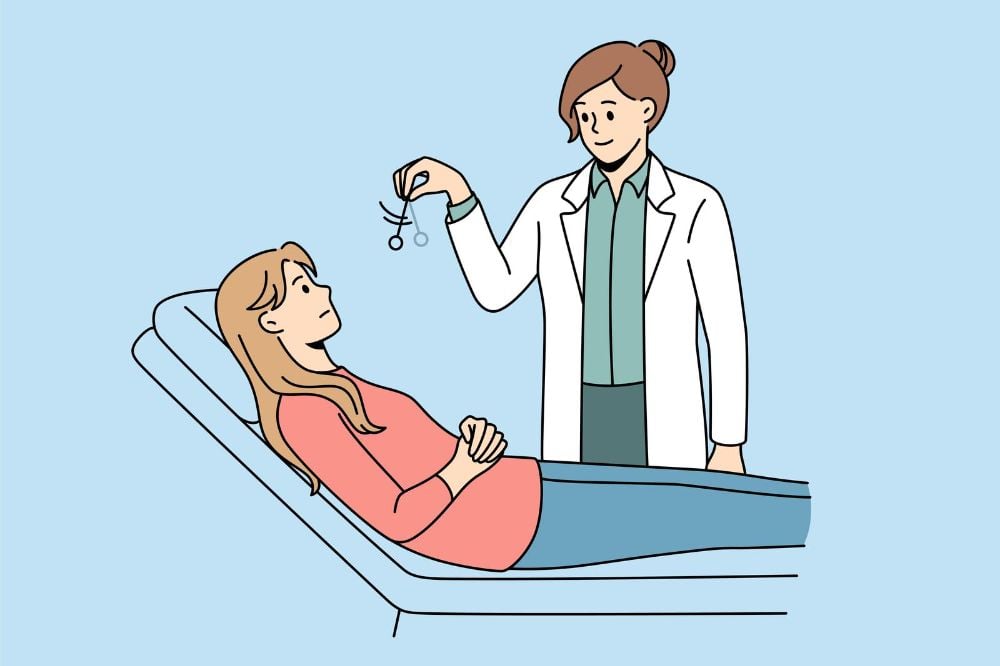
Dental phobia and procedure-related anxiety represent significant barriers that prevent millions of individuals from receiving necessary oral healthcare. Dental hypnosis (hypnodontics) offers a clinically proven, non-pharmacological adjunct for managing dental anxiety, suppressing gag reflexes, and enhancing patient comfort during invasive dental procedures. By guiding patients into a focused state of deep physical relaxation and heightened suggestibility, trained dental hypnotherapists can alter pain perception, reduce operative stress responses, and minimize post-procedure bleeding and swelling.
Integrating hypnotherapy into general and surgical dentistry provides a gentle alternative or supplement to local anesthesia and chemical sedation, particularly for patients with needle phobias or medication sensitivities. Dental patients, oral health professionals, and hypnotherapy practitioners seeking clinical guides on dental hypnosis, anxiety reduction techniques, and mind-body oral care strategies can research specialized portals like Dental Hypnosis to explore hypnotic techniques in modern dentistry.
4. Integrative Medicine and Mind-Body Stress Reduction Protocols
Integrative medicine bridges the gap between conventional clinical treatments and complementary mind-body therapies, recognizing the profound physiological link between mental stress and physical disease. Chronic psychological stress elevates systemic cortisol and catecholamine levels, driving systemic inflammation, impairing immune system function, and worsening cardiovascular outcomes. Incorporating mind-body practices—such as mindfulness meditation, progressive muscle relaxation, biofeedback, and clinical hypnotherapy—restores autonomic nervous system balance.
Down-regulating sympathetic “fight-or-flight” responses improves digestion, enhances cardiovascular heart rate variability (HRV), and supports natural healing mechanisms. Utilizing integrative stress reduction alongside standard medical care optimizes overall patient treatment outcomes.
5. Preventive Oral Health, Periodontal Disease, and Systemic Links
Maintaining optimal oral hygiene is vital not only for tooth longevity but also for protecting broader systemic health. Clinical research has established strong links between chronic periodontal (gum) inflammation and systemic diseases, including coronary artery disease, stroke, diabetes mellitus, and adverse pregnancy outcomes. Pathogenic oral bacteria and pro-inflammatory cytokines can enter the bloodstream through inflamed gingival tissue, contributing to systemic vascular inflammation.
Executing daily oral hygiene routines—including thorough toothbrushing, interdental flossing, and antiseptic mouth rinsing—prevents bacterial plaque accumulation and tartar formation. Scheduling regular professional dental cleanings and periodontal examinations safeguards both oral and cardiovascular health.
6. Patient Health Literacy, Shared Decision-Making, and Medical Advocacy
Developing high health literacy empowers patients to navigate complex healthcare systems, understand treatment risks and benefits, and make informed choices regarding their care plans. Shared decision-making models encourage open dialogue between patients and clinical providers, ensuring treatment choices align with patient values, lifestyle preferences, and financial considerations.
Preparing specific medical questions prior to doctor visits, requesting plain-language explanations of clinical diagnoses, and seeking accredited second medical opinions when faced with major surgical interventions protects patient autonomy. Active self-advocacy improves care satisfaction and treatment compliance.
7. Patient Data Security, HIPAA Compliance, and Telehealth Privacy
As health record management and medical consultations transition increasingly to digital cloud infrastructure, protecting sensitive Protected Health Information (PHI) against cyber threats and unauthorized access is critical. Healthcare providers and telehealth platforms must enforce strict compliance with regulations such as the Health Insurance Portability and Accountability Act (HIPAA) and international data protection laws.
Deploying end-to-end data encryption, secure patient communication portals, and multi-factor authentication (MFA) ensures patient records remain confidential. Educating patients on safe digital practices prevents identity theft and secures personal health data across digital networks.
8. Pharmacology Awareness, Medication Adherence, and Patient Safety
Proper pharmaceutical management is essential for successfully treating acute infections and managing chronic medical conditions. Medication non-adherence—failing to take prescribed medications at correct dosages or schedules—is a major cause of preventable treatment failures, hospital readmissions, and elevated healthcare costs.
Patients should maintain an updated list of all active prescription medications, over-the-counter supplements, and herbal remedies to present to clinical care providers. Understanding potential drug interactions, side effects, and correct administration guidelines guarantees patient safety and maximizes therapeutic efficacy.
9. Behavioral Health Integration, Mental Health Hygiene, and Wellbeing
Integrating mental and behavioral healthcare into primary medical clinical routines is crucial for treating the whole person. Mental health challenges—such as generalized anxiety disorder, depression, and chronic burnout—frequently manifest as physical symptoms, including tension headaches, gastrointestinal distress, and chronic fatigue.
Normalizing psychological support and utilizing accessible mental healthcare resources helps individuals build emotional resilience and coping mechanisms. Combining cognitive behavioral therapy (CBT), stress management, and, when indicated, psychiatric care fosters lasting psychological stability.
10. Strategic Health, Telehealth, and Mind-Body Review Checklist
Maintaining a proactive, well-coordinated, and anxiety-free health routine requires periodic systematic self-evaluations across key medical and wellness channels. Patients and healthcare advocates should regularly review their posture using the following framework:
- Clinical Health & Diagnostic Audit: Schedule annual physical examinations, review routine blood panel markers, and verify preventive cancer screenings.
- Telehealth & Digital Access Check: Set up secure telehealth portal accounts, verify digital prescription delivery, and audit remote health tracking devices.
- Oral Health & Anxiety Management Inspection: Schedule bi-annual dental checkups, explore relaxation techniques or dental hypnosis for phobias, and enforce daily flossing.
- Medication & Privacy Review: Audit current medication lists for expired drugs, verify HIPAA compliance on health apps, and practice active stress reduction.
By systematically combining evidence-based clinical medicine, convenient telehealth consultation channels, specialized dental hypnosis for anxiety management, and disciplined preventative self-care, individuals can build resilient health foundations capable of supporting lifelong physical and mental wellbeing.