





Living with a dog can bring companionship, activity, and plenty of memorable moments. However, everyday situations such as answering the door, walking past other dogs, or settling down when guests arrive can become frustrating when a dog has not learned what is expected. For families in Baltimore, Maryland, improving these routines often begins with understanding how dogs communicate and how owners can provide consistent guidance.
Working with a professional Dog Trainer can help owners identify the habits behind unwanted behavior and develop practical ways to address them. Rather than focusing only on commands, effective training should help dogs understand expectations in the situations they encounter every day.
Always Faithful Dog Training offers private in-home lessons through its Leadership Dog Training approach, emphasizing communication between dogs and their owners. By learning how to guide behavior consistently, Baltimore dog owners can work toward a more manageable and rewarding relationship with their pets.
Understanding Why Dogs Struggle With Everyday Expectations
Dogs learn through experience. The behaviors they repeat often become familiar routines, especially when those behaviors produce attention, movement, access to something interesting, or another desirable outcome.
For instance, a dog that barks whenever someone approaches the house may have developed a strong response to unfamiliar sounds or movement. A dog that pushes ahead during walks may have learned that pulling allows it to reach interesting places more quickly.
These patterns are worth examining before deciding how to respond.
Identify the Situations That Trigger Unwanted Behavior
Start by paying attention to when the behavior occurs, what happens immediately beforehand, and how people respond afterward.
A simple observation record can be useful:
- Situation: What was happening when the behavior started?
- Environment: Was the dog indoors, outdoors, on a leash, or near visitors?
- Response: What did the dog do, and how long did the behavior continue?
- Outcome: Did the dog gain attention, move closer to something, or escape an uncomfortable situation?
This information helps owners recognize patterns instead of treating every incident as an isolated problem.
For example, a dog that jumps on family members when they arrive home may need a more predictable greeting routine. A dog that becomes unsettled when left alone may need a different plan that accounts for its emotional state rather than simply more obedience practice.
Creating Better Walking Habits in Baltimore
Walking is an important part of a dog’s routine, but it also introduces distractions that may be difficult for inexperienced dogs to manage. People passing by, unfamiliar scents, bicycles, other animals, and sudden noises can compete with an owner’s instructions.
A successful walking routine should prioritize safety and gradually develop the dog’s ability to respond in different environments.
Teach the Dog to Walk Without Constant Pulling
Begin in a quiet, familiar location where the dog can focus without becoming overwhelmed.
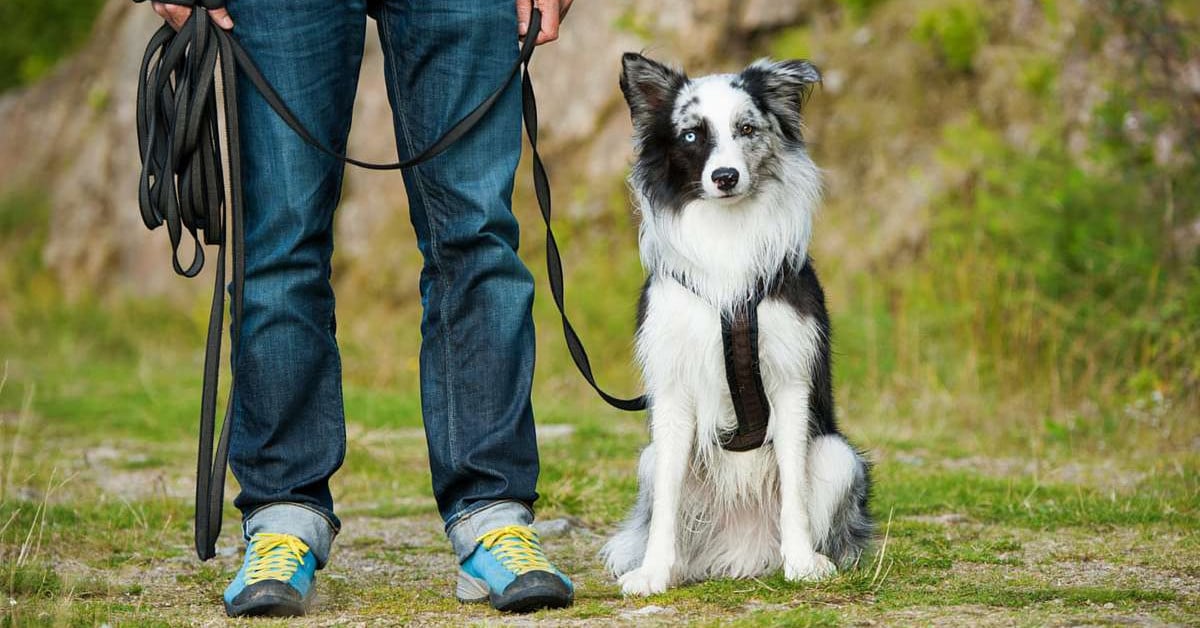
Use a properly fitted harness or suitable collar and a standard leash appropriate for the dog. Practice changing direction, pausing when safe, and encouraging the dog to remain near you without pulling continuously.
When the dog becomes more consistent, introduce additional distractions gradually. Avoid beginning with a crowded environment if the dog cannot yet respond reliably in quieter surroundings.
Manage Encounters With Other Dogs
Not every dog wants to greet every animal it sees. Some dogs become excited, while others may feel worried or defensive.
Give unfamiliar dogs adequate space, avoid forcing face-to-face greetings, and reward calm attention to the handler. If a dog has a history of lunging or aggressive behavior, seek professional guidance and use appropriate management measures to prevent unsafe encounters.
A knowledgeable Dog Trainer can help owners develop a walking plan that reflects the dog’s individual temperament and current abilities.
Why Private In-Home Training Can Be Useful
Many behavior challenges begin in familiar surroundings. A dog might rush through the doorway, bark at delivery workers, steal household objects, or become overly excited when visitors enter.
Private in-home training allows owners to work on these specific situations where they naturally occur.
Addressing Behavior Within the Home
Instead of practicing only in an unfamiliar training environment, owners can focus on the routines that create difficulty throughout the week.
Depending on the dog’s needs, training may include:
- Establishing consistent boundaries around furniture and household spaces.
- Teaching calmer responses when visitors arrive.
- Improving leash preparation before leaving the house.
- Reducing unwanted jumping during family interactions.
- Developing more reliable responses to everyday instructions.
- Teaching dogs to settle when household activity increases.
The owner participates in the learning process, making it easier to understand how to practice the same skills between lessons.
Always Faithful Dog Training provides private in-home instruction centered on Leadership Dog Training. Its stated philosophy does not use treats, clickers, shock collars, or gimmicks. Owners can discuss their concerns and learn more about this approach before deciding whether it suits their goals.
Choosing a Training Approach That Fits Your Dog
Finding a trainer involves more than comparing service descriptions. Owners should understand the trainer’s philosophy, how lessons are delivered, and what practical skills they will learn.
A useful program should explain its methods clearly, account for the dog’s individual needs, and establish realistic expectations for progress.
Questions Worth Asking Before Starting
Before arranging lessons, consider asking:
- How will the trainer assess my dog’s current behavior?
- What will I be expected to practice between sessions?
- How will training address distractions outside the home?
- What methods are used to manage fear, frustration, or overexcitement?
- How will progress be evaluated over time?
Look for clear explanations rather than guarantees that every behavior will disappear immediately.
Training results depend on several factors, including the dog’s history, the consistency of practice, the difficulty of the environment, and any underlying health or emotional concerns. Sudden changes in behavior should be discussed with a veterinarian, while severe fear or aggression may require assistance from a qualified behavior professional.
Helping Puppies Develop Good Habits Early
Puppies are still learning how to respond to people, unfamiliar environments, and household routines. Early instruction can help owners establish habits before undesirable patterns become well established.
The first priorities should be practical rather than complicated.
Start With Everyday Skills
Puppies benefit from learning to respond to their names, follow simple guidance, settle comfortably, and accept gentle handling. House-training requires regular outdoor opportunities, supervision, and a consistent routine.
Owners should also introduce new experiences gradually. Meeting suitable people, hearing ordinary household sounds, and exploring safe environments can help puppies become more comfortable with the world around them.
Keep training sessions short and adjust them to the puppy’s attention span. Avoid overwhelming a young dog with too many distractions at once.
Early guidance is not about expecting perfect behavior. It is about giving the puppy repeated opportunities to learn appropriate responses while building trust with its family.
Maintaining Progress Between Training Sessions
Even a well-planned lesson cannot replace regular practice at home. Dogs need opportunities to repeat newly learned skills in different situations before those responses become more dependable.
Baltimore households can make training part of their ordinary schedules rather than treating it as a separate, time-consuming activity.
Build a Routine That the Whole Household Can Follow
Choose a small number of priorities and make sure everyone responds consistently.
For example, if the goal is to reduce jumping, household members should follow the same greeting routine. If loose-leash walking is the priority, family members should use similar handling practices and avoid allowing pulling to become the normal way of moving forward.
A practical routine might include:
- Five minutes of focused practice in a quiet environment.
- A short walk that allows the dog to rehearse good leash habits.
- Calm greetings with familiar people.
- Brief settling exercises during normal household activity.
- A weekly review of improvements and remaining challenges.
Short, regular practice can make training easier to maintain. When a dog struggles, reduce the difficulty and return to a situation where success is more achievable.
Finding a Dog Trainer in Baltimore, MD
Searching for a Dog Trainer in Baltimore is a starting point for finding support that matches your household’s needs. The next step is to identify the specific behaviors you want to improve and choose a service that can help you work on them practically.
Always Faithful Dog Training offers private in-home lessons using its Leadership Dog Training philosophy. Its services are relevant to owners seeking guidance with puppy foundations, obedience, leash pulling, jumping, barking, and other everyday behavior concerns.
The most productive starting point is a clear conversation about your dog’s current habits, your family’s routine, and the outcomes you hope to achieve. This helps establish whether the training approach and lesson format are appropriate for your situation.
Take the First Step Toward Better Everyday Manners
A dog’s behavior can influence the entire household, from the quality of daily walks to the experience of welcoming friends and family. Understanding behavioral patterns, setting consistent expectations, and practicing the right skills can help owners make meaningful progress over time.
If you are looking for a Dog Trainer in Baltimore MD, contact Always Faithful Dog Training to discuss your concerns and explore its private in-home training options. Ask about a free phone consultation to explain your goals, learn about the Leadership Dog Training method, and determine the next steps toward a better relationship with your dog.