






Tooth pain can affect almost every part of daily life, from eating and speaking to getting a good night’s sleep. While some dental problems can be managed with a simple filling, others involve the soft tissue inside the tooth and require specialised treatment. This is where endodontic dentistry plays an important role.
An endodontist dubai specialises in diagnosing and treating problems affecting the dental pulp and the tissues surrounding the roots of teeth. These specialists commonly perform root canal treatments and other procedures designed to relieve dental pain and help preserve natural teeth.
Understanding when endodontic care is needed, what treatments involve, and how to prepare for an appointment can help patients make informed decisions about their oral health. This guide explains the main endodontic services, common warning signs, treatment options, and what patients can expect during their visit.
What Is an Endodontist?
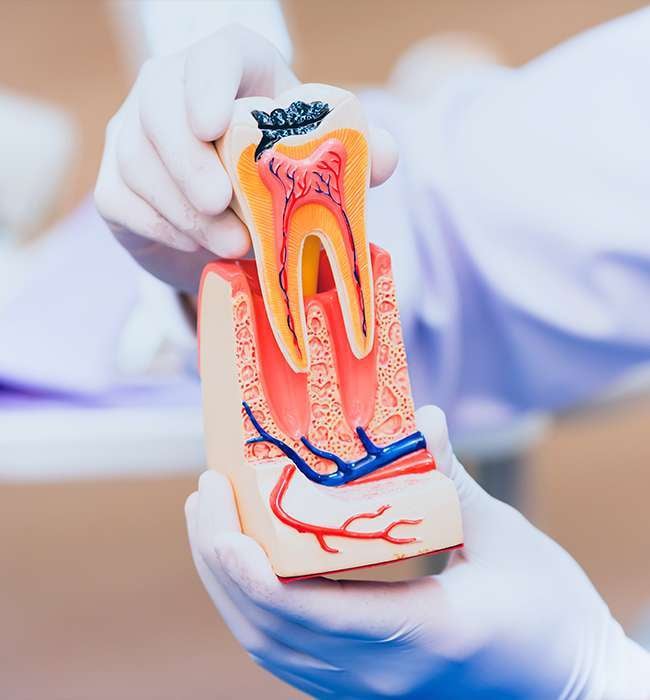
An endodontist is a dental specialist who focuses on diseases and injuries affecting the inside of teeth, particularly the dental pulp and root canal system. The pulp contains nerves, blood vessels, and connective tissue that support tooth development.
When the pulp becomes inflamed or infected, treatment may be necessary to prevent the problem from progressing. Endodontists receive additional specialist training in diagnosing complex tooth pain and performing procedures that preserve natural teeth whenever possible.
How Is an Endodontist Different from a General Dentist?
General dentists provide a broad range of dental services, including examinations, fillings, preventive care, and restorative treatments. They may also perform routine root canal procedures, depending on their training and experience.
An endodontist focuses specifically on root canal treatment, persistent dental pain, dental trauma, and other conditions involving the tooth’s internal structures. Patients may be referred to an endodontic specialist when a case is particularly complex or requires specialised diagnostic techniques.
When Should You Visit an Endodontist in Dubai?
You may need an endodontic assessment if you experience persistent tooth pain, sensitivity, swelling, or symptoms following a dental injury. However, some teeth with pulp damage do not cause noticeable discomfort, so a dental examination is important when other warning signs appear.
Common symptoms that may require professional evaluation include:
- Persistent toothache: Pain that continues, returns repeatedly, or interferes with sleep.
- Sensitivity to hot and cold: Discomfort that lingers after the hot or cold substance has been removed.
- Pain when biting: Discomfort while chewing or applying pressure to a particular tooth.
- Swelling around the gums: Inflammation near a tooth may indicate an infection or another dental problem.
- A damaged or discoloured tooth: Cracks, fractures, or darkening after an injury may indicate damage to the pulp.
- A recurring gum bump: A small pimple-like swelling near a tooth can sometimes indicate a draining dental infection.
These symptoms do not always mean that root canal treatment is necessary. Cavities, gum disease, cracked teeth, and other conditions can produce similar signs. A dentist or endodontist can determine the underlying cause through an examination and appropriate diagnostic tests.
Facial swelling, fever, or rapidly worsening dental pain requires prompt professional assessment. Difficulty breathing or swallowing, particularly with facial or neck swelling, requires emergency medical care.
Common Endodontic Dental Services
Endodontic treatment aims to address problems inside the tooth while preserving as much healthy natural structure as possible. The appropriate procedure depends on the condition of the tooth, the extent of the damage, and the patient’s overall dental health.
1. Root Canal Treatment
Root canal treatment is one of the most common procedures performed by endodontists. It is used when the dental pulp becomes irreversibly inflamed, infected, or damaged.
During the procedure, the dentist removes the affected pulp, cleans and shapes the root canals, and seals the internal space with a suitable filling material. The tooth is then restored, often with a filling or crown, depending on how much natural structure remains.
A root canal can help preserve a natural tooth that might otherwise require extraction. Modern local anaesthesia and appropriate pain-management techniques generally make the procedure manageable for most patients.
2. Root Canal Retreatment
Sometimes, a tooth that has previously undergone root canal treatment develops new symptoms or fails to heal as expected. This may happen because of persistent infection, complex canal anatomy, or leakage around a restoration.
Root canal retreatment involves reopening the tooth, removing the previous canal filling when appropriate, cleaning the canals again, and resealing them. The tooth may then need a new restoration to protect it from further damage.
An endodontist can assess whether retreatment is suitable or whether another approach would offer a better outcome.
3. Endodontic Treatment for Dental Injuries
Accidents, sports injuries, and falls can damage teeth in different ways. A tooth may become cracked, displaced, fractured, or injured internally even when the damage is not immediately visible.
Endodontic assessment helps determine whether the pulp has been affected and whether treatment is required. The management plan depends on the type of injury, the maturity of the tooth, and the condition of the surrounding tissues.
If a permanent tooth is displaced or broken, seek urgent dental care rather than waiting for pain to develop.
4. Treatment for Dental Abscesses
A dental abscess is a collection of pus associated with a bacterial infection. It can develop when bacteria reach the pulp or spread into the tissues around a tooth’s root.
Depending on the source of the infection, treatment may involve root canal therapy, drainage, or extraction if the tooth cannot be preserved. Antibiotics may be appropriate in certain situations, but they do not replace the dental procedure needed to address the source of the infection.
Prompt treatment is important because an untreated dental infection can spread to surrounding tissues.
5. Endodontic Surgery
When conventional root canal treatment or retreatment cannot adequately resolve a problem, endodontic surgery may be considered.
One example is an apicoectomy, a procedure in which the end of a tooth’s root is removed along with infected or inflamed tissue around it. The root end is then sealed to help prevent further leakage and infection.
Surgery is not necessary for every persistent dental problem. An endodontist evaluates the tooth, surrounding bone, previous treatment, and available alternatives before recommending this approach.
What Happens During an Endodontic Appointment?
An endodontic consultation usually begins with a discussion of symptoms, dental history, previous procedures, and any relevant medical conditions. The clinician then examines the affected tooth and surrounding tissues.
Diagnostic methods may include:
- Dental X-rays to assess the roots and surrounding bone.
- Sensitivity tests to evaluate the response of the tooth’s pulp.
- Percussion or biting tests to identify tenderness.
- Additional imaging, such as cone-beam computed tomography (CBCT), when clinically indicated.
After identifying the likely cause, the dentist explains the findings and discusses appropriate treatment options.
The length of treatment varies according to the tooth, the complexity of its root canal system, and whether infection or previous treatment complicates the case. Some procedures can be completed in one appointment, while others require multiple visits.
Patients should share their medical history, current medications, allergies, and any concerns about dental anxiety before treatment begins.
Is Root Canal Treatment Painful?
Root canal treatment is intended to relieve pain caused by inflammation or infection inside a tooth. With suitable local anaesthesia, most patients can undergo the procedure without significant pain, although some pressure or vibration may be felt.
The tooth and surrounding tissues may remain tender for several days after treatment, particularly if inflammation was present beforehand. Following the dentist’s instructions can help manage this temporary discomfort.
If pain becomes severe, swelling develops, or symptoms worsen instead of improving, contact the treating dentist promptly. Persistent symptoms should be assessed rather than managed solely with home remedies.
How to Care for Your Tooth After Endodontic Treatment
After treatment, proper care helps protect the tooth and supports healing. Your dentist will provide instructions based on the procedure performed and the condition of your tooth.
Consider these practical measures:
- Follow post-treatment instructions: Take prescribed medication only as directed.
- Avoid heavy chewing on an unprotected tooth: A tooth awaiting its final restoration may be more vulnerable to fracture.
- Complete the recommended restoration: A permanent filling or crown may be necessary to protect the treated tooth.
- Maintain daily oral hygiene: Brush twice daily with fluoride toothpaste and clean between your teeth.
- Attend follow-up appointments: These allow the dentist to check healing and assess the restoration.
- Report unusual symptoms: Increasing pain, swelling, or a change in your bite should be reviewed.
A root canal-treated tooth can often function for many years, but its long-term condition depends on factors such as the quality of the restoration, the remaining tooth structure, and ongoing oral hygiene.
How to Choose an Endodontist in Dubai
Choosing a dental professional involves more than looking for a convenient appointment. Patients should consider the clinician’s qualifications, experience with the required procedure, diagnostic approach, and ability to explain treatment options clearly.
When comparing endodontic services in Dubai, consider the following:
Specialist qualifications: Check whether the practitioner has recognised specialist training in endodontics, particularly if your case is complex.
Diagnostic facilities: Ask whether appropriate imaging and diagnostic tests are available when needed.
Treatment transparency: The dentist should explain the diagnosis, expected procedure, possible risks, alternatives, and anticipated costs before treatment.
Restorative planning: Ask how the tooth will be protected after root canal treatment and whether a crown or another restoration may be required.
Follow-up care: Confirm how post-treatment concerns will be managed and when the tooth should be reviewed.
DentisTree Dental Clinic is one option for patients exploring dental care in Dubai. Patients considering endodontic treatment can contact the clinic to ask about consultation availability, the services offered, and whether an appropriate clinician is available for their particular needs.
The most suitable treatment plan should always be based on an individual examination rather than symptoms alone or a general description of a procedure.
Frequently Asked Questions
1. When should I see an endodontist in Dubai?
Consider an endodontic assessment if you have persistent tooth pain, prolonged sensitivity, pain when biting, swelling around a tooth, or a dental injury. A general dentist may also refer you to an endodontist for complex root canal treatment or persistent symptoms after a previous procedure.
2. How long does root canal treatment take?
The duration depends on the tooth being treated, the complexity of its root canals, and whether infection or previous treatment creates additional challenges. Some cases can be completed in one appointment, while others require more than one visit.
3. Can a tooth survive without its pulp?
Yes. Once root canal treatment is complete and the tooth is properly restored, it can continue to function without its original pulp. However, the tooth may be more vulnerable to fracture, making an appropriate restoration and regular dental care important.
4. Is it better to have a root canal or remove the tooth?
When a tooth can be predictably restored, preserving it with root canal treatment may be preferable to extraction. However, a severely fractured or extensively damaged tooth may not be suitable for preservation. Your dentist can explain the benefits, limitations, costs, and alternatives for your individual situation.
5. Does a dental abscess always require antibiotics?
No. Treatment depends on the source and severity of the infection. Many infections require a dental procedure, such as root canal treatment, drainage, or extraction, to address the cause. Antibiotics are generally reserved for situations in which they are clinically indicated and should be prescribed by an appropriate healthcare professional.
Conclusion
Endodontic care helps patients manage problems affecting the inner structures of their teeth, from persistent tooth pain and pulp infection to complicated root canal cases and dental injuries. Early assessment can help identify the cause of symptoms, guide appropriate treatment, and improve the chances of preserving a natural tooth.
When considering an endodontist in Dubai, look for appropriate specialist qualifications, clear communication, careful diagnosis, and a well-planned approach to treatment and follow-up. DentisTree Dental Clinic can be contacted to learn more about its available dental services and whether an endodontic consultation is appropriate for your needs. Ultimately, an individual dental assessment is the best way to understand your options and make an informed decision about your oral health.