



Introduction
Stress can be harmful to the mind and body. It can impact sleep, concentration, relationships and sexual health. Continuous stress due to work, finances or personal problems can cause the body to react in ways that impact sexual performance. By grasping this relationship, individuals can become aware of potential triggers for ED and make proactive lifestyle choices to enhance their health. Understanding this relationship may empower a person to identify factors that could be causing ED and take steps to make lifestyle changes that can improve overall health.
How stress can impact sexual function.
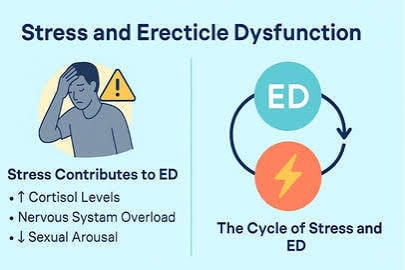
When stress is encountered, hormones like cortisol and adrenaline get released in the body. These hormones are activated to help the body deal with difficult circumstances. But too much stress can disrupt our normal functions such as sexual arousal.
Communication is necessary between the brain, nervous system, blood vessels and other body parts for an erection. Anxiety and feeling overwhelmed can trigger the body’s stress responses, making it harder to relax and excite. This can cause a person to have trouble with his or her erection or to be unable to get an erection at all.
Sometimes problems are only temporary and don’t mean it is a medical condition in one person’s life. Recurring problems, however, should be a concern if it causes the person to not be able to have confidence in, or live in harmony with, others or if it impacts a person’s quality of life.
Common Sources of Stress
Sexual problems can result from various circumstances. Individuals can learn about their experiences by knowing what their triggers are and can make lifestyle changes if necessary.
Some of the most common stress triggers are:
Pressure at work: Work may be extremely demanding; heavy workloads, short time staff or job insecurity can contribute to mental stress.
Financial issues: Debt or financial problems, household bills and income uncertainty can have an impact on emotional well-being.
Relationship issues: Conflicts, communication issues, and decreased emotional intimacy can affect sexual interest.
Performance anxiety: Fearing they don’t please or failing another attempt can add to the stress.
Short sleep (insufficient) may have a negative impact on mood, energy, concentration and overall health.
It is possible for several of the following to occur simultaneously, and without a professional assessment, it will be impossible to determine what caused the smell.
This article takes you through the Cycle of Anxiety and Sexual Difficulties.
Erectile Dysfunction can sometimes result in a vicious cycle. For instance, when it comes to penetration, a person may have trouble getting an erection at a particular occasion and start to question whether it will ever adjust again. In the subsequent encounter, that fear can cause tension and make relaxation more challenging.
Sustained experiences can slowly cause partners to lose confidence and get emotionally distant from each other. People or individuals might be hesitant to become intimate because they’re afraid of being let down or embarrassed.
Communicating about this pressure can help alleviate it. Talking about feelings and concerns in a calm way, giving attention to feelings during intimate encounters, and having no misplaced expectations can make intimate experiences more comfortable. Partners must take a patient instead of blaming stance on the issue.
Managing stress – practical approaches
A healthy lifestyle can support emotional stability and sexual health. In some cases, lifestyle changes don’t cure all underlying causes, but can help to lower stress and improve overall health.
Regular exercise will help to keep your stress levels down and make you feel better. Take a walk, go for a bike ride, swim or try other types of exercise that work for you. Exercise also promotes heart health.
Make sleep patterns better: Go to bed at the same time every day, and have a soothing night-time routine. Good sleep rejuvenates and supports regulation of emotions.
Gently stretch yourself (no more than the recommended amount), practice relaxation exercises like deep breathing exercises and meditation, and practice being mindful. Regular practice of each could help you feel more at ease in stressful situations.
Follow a balanced diet: Consume diversified fruits, vegetables, whole grains, lean proteins and healthy fats. In order to keep him or her well, maintain a balance between different types of foods in the diet, as well as keeping blood circulation healthy.
Talk candidly: If comfortable, talk to a trusted party about concerns. Truthful dialogue can minimise confusion and alleviate stress when it comes to performance.
Ask for emotional support: A trained counsellor or mental health practitioner can help the person come up with ways to handle ongoing anxiety, relationship issues, and work stress that hinder their ability to function.
Some advancement to see a doctor might be necessary.
If rigidity lasts for more than a few months, the problem could be due to psychological or physical causes, or a combination of both. Diabetes, high blood pressure, cardiovascular disease, hormonal changes and some side effects of medications can be factors leading to sexual difficulties.
So it’s important to understand that Erectile Dysfunction isn’t necessarily a result of stress. By evaluating symptoms, medical history, lifestyle choices, and medications used, a healthcare provider can help determine the root cause of the problem and suggest suitable treatment options.
Self-prescribing and/or withdrawal from prescribed drugs without advice should be avoided. When the issue is recurring or starts suddenly, professional assistance is very important!
Conclusion
There are several ways in which stress and sexual health can impact one another. Continuing anxiety can disrupt arousal, and frequent sexual problems can create additional emotional stress or loss of confidence. Understanding this link means people can take steps to help themselves with their mental health and perhaps physical health.
Many individuals can improve their sexual well-being and sexual functioning, and thereby also contribute to a better, more enjoyable life through healthier lifestyle habits, open communication, stress-management strategies, and the use of suitable medical treatments. If people have concerns, the problem should be addressed seriously, and they should seek help if they need it – this way, they will tackle the issue with confidence and understanding.