




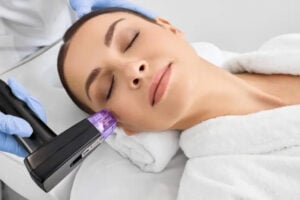

Healthy, radiant skin is influenced by several factors, including hydration, collagen production, sun exposure, genetics, and daily skincare habits. However, concerns such as uneven skin tone, rough texture, enlarged pores, acne scars, and fine lines may not always improve with over-the-counter skincare products alone. Medical skincare treatments offer targeted solutions that can help address these concerns and support a smoother, more even-looking complexion.
For individuals seeking professional skincare in Beverly Hills, medical-grade treatments can provide a personalized approach to improving skin texture and tone. By combining professional assessment, appropriate treatment options, and a consistent skincare routine, patients can work toward healthier-looking skin that complements their natural features.
Understanding Skin Texture and Skin Tone
Skin texture refers to how the skin feels and appears on its surface. Smooth skin generally has an even surface, while roughness, enlarged pores, acne scars, and fine lines can create an uneven appearance. Aging, sun damage, acne, dehydration, and reduced collagen production can all affect skin texture. Medical Skincare Treatments in Beverly Hills can help address these concerns through personalized treatments designed to improve skin smoothness and overall appearance.
Skin tone refers to the overall color and evenness of the complexion. Dark spots, sun spots, redness, post-acne marks, and hyperpigmentation can make the skin appear uneven. Professional skincare treatments may help improve the appearance of these concerns based on their underlying causes.
Although skin texture and tone are different concerns, they often occur together. For example, acne can leave behind both textural scars and dark marks. A personalized skincare plan can help address both concerns according to an individual’s skin type, goals, and medical history.
How Medical Skincare Treatments Improve Skin Texture
Professional skincare treatments can help refine the skin’s surface, encourage healthy skin renewal, and improve the appearance of certain textural concerns. The most suitable approach depends on the condition being treated and how sensitive the skin is.
1. Professional Chemical Peels
Chemical peels use carefully selected acids to exfoliate the skin and encourage the removal of dead skin cells. Depending on the formulation and depth, a chemical peel may help improve mild discoloration, rough texture, clogged pores, and some acne-related marks.
Professional peels can also support a brighter complexion by helping remove dull surface cells. However, stronger peels may involve downtime and carry a greater risk of irritation or pigmentation changes, particularly for individuals prone to post-inflammatory hyperpigmentation.
A qualified skincare professional can recommend an appropriate peel based on skin sensitivity, existing concerns, and desired results.
2. Microneedling for Uneven Texture
Microneedling is a professional treatment that uses fine needles to create controlled micro-injuries in the skin. This process stimulates the body’s natural wound-healing response and may encourage collagen production over time.
It is commonly considered for certain acne scars, fine lines, and uneven skin texture. Improvements typically develop gradually over several weeks or months, and multiple sessions may be recommended.
Microneedling is not suitable for every skin condition. Active infections, certain inflammatory skin disorders, and other medical factors may make treatment inappropriate. A professional assessment helps determine whether this procedure is a suitable option.
3. Treatments That Support Collagen Production
Collagen is a structural protein that helps maintain the skin’s firmness and elasticity. As people age, collagen production gradually decreases, contributing to fine lines and changes in skin texture.
Depending on the patient’s needs, professional treatments such as selected laser procedures and radiofrequency-based treatments may help stimulate collagen remodeling. These options can improve the appearance of certain fine lines, textural irregularities, and mild skin laxity.
Results vary according to the procedure, skin condition, and individual response. Patients should discuss potential benefits, risks, downtime, and realistic expectations before beginning treatment.
How Medical Skincare Treatments Help Even Out Skin Tone
Uneven skin tone can result from sun exposure, hormonal changes, acne-related inflammation, aging, and other skin conditions. Medical skincare treatments may help reduce the appearance of discoloration while supporting a more balanced complexion.
1. Treatments for Dark Spots and Hyperpigmentation
Hyperpigmentation occurs when excess melanin creates darker areas on the skin. Common examples include sun spots, post-acne marks, and melasma.
Depending on the cause, a skincare professional may recommend ingredients such as vitamin C, azelaic acid, retinoids, or other medically appropriate topical treatments. Certain chemical peels and laser procedures may also be considered for selected cases.
The correct treatment depends on the type of pigmentation. Melasma, for example, can worsen with heat, light, or irritation, and some procedures may aggravate it. A professional evaluation is important before choosing an approach.
2. Professional Treatments for Sun Damage
Repeated exposure to ultraviolet radiation can contribute to uneven pigmentation, roughness, and premature skin aging. Some professional treatments may help improve the appearance of selected sun spots and sun-damaged skin.
A provider may recommend topical products, chemical peels, or specific light- and laser-based procedures according to the type and severity of the damage.
Not every dark spot is harmless sun damage. New, changing, bleeding, or irregularly shaped spots should be evaluated by a qualified medical professional before cosmetic treatment is considered.
3. Reducing the Appearance of Post-Acne Marks
Acne can leave behind red, brown, or dark marks even after active breakouts have resolved. These marks may fade gradually, but the process can take months.
Medical skincare treatments can help support skin renewal and address discoloration when selected appropriately. Ingredients such as azelaic acid and retinoids may be useful for certain patients, while other treatments may be considered for persistent marks or associated scarring.
It is also important to manage active acne and avoid picking or squeezing blemishes, as these habits can increase inflammation and the likelihood of lasting marks.
The Role of Medical-Grade Skincare Products
In-office treatments are only one part of a comprehensive skincare approach. Appropriate home care helps maintain the skin barrier, manage ongoing concerns, and support the results of professional procedures.
A personalized skincare routine may include the following:
- Gentle cleanser: Removes oil, makeup, and impurities without unnecessarily irritating the skin.
- Moisturizer: Supports hydration and helps maintain the skin’s protective barrier.
- Vitamin C: May help improve the appearance of uneven pigmentation and provide antioxidant support.
- Retinoids: Can help with acne, skin renewal, and certain signs of photoaging when appropriate.
- Broad-spectrum sunscreen: Helps protect against UVA and UVB radiation and reduces the risk of additional sun-related discoloration.
Not every product is appropriate for every individual. Combining too many active ingredients can cause irritation, which may worsen pigmentation in susceptible skin. A skincare professional can help establish a routine that matches the patient’s needs and treatment plan.
Why Personalized Medical Skincare Matters
There is no single treatment that works equally well for every skin type or concern. Two people with similar-looking discoloration may have different underlying conditions and require different approaches.
A personalized consultation typically considers skin type, sensitivity, medical history, current medications, previous procedures, lifestyle, and treatment goals. These factors help determine which treatments are appropriate and whether a combination of procedures and topical products may be beneficial.
For individuals with darker skin tones or a history of pigmentation after inflammation, careful treatment selection is especially important. Certain lasers, peels, and aggressive procedures can increase the risk of unwanted discoloration when used inappropriately.
A gradual treatment plan may be safer and more effective than attempting to address every concern at once.
What Results Can You Expect?
The results of medical skincare treatments depend on the concern being treated, the selected procedure, and the individual’s skin response.
Some treatments may provide a temporary improvement in brightness or smoothness, while collagen-focused procedures often require several weeks or months for noticeable changes. Pigmentation treatments may also take time, and conditions such as melasma can recur without ongoing management.
Patients should understand that improvement does not always mean complete removal of scars, wrinkles, or discoloration. Realistic expectations, appropriate aftercare, and consistent sun protection are essential parts of the process.
After certain treatments, the skin may experience temporary redness, sensitivity, dryness, or peeling. Following the provider’s aftercare instructions helps reduce irritation and supports recovery.
Maintaining Smoother, More Even-Looking Skin
Maintaining improvements in skin texture and tone requires more than occasional professional treatments. Daily habits play an important role in protecting the skin and preventing recurring concerns.
Helpful practices include applying broad-spectrum SPF 30 or higher sunscreen daily, using gentle skincare products, avoiding unnecessary exfoliation, staying consistent with recommended treatments, and seeking professional advice when new skin concerns develop.
Patients should also allow their skin adequate time to recover between procedures and avoid introducing multiple strong active ingredients without guidance.
Conclusion
Medical skincare treatments can help improve skin texture and tone by addressing concerns such as roughness, acne scars, fine lines, sun spots, and uneven pigmentation. Options including chemical peels, microneedling, selected laser treatments, and medical-grade topical products can be incorporated into a personalized skincare plan when clinically appropriate.
For those exploring medical skincare treatments in Beverly Hills, a professional consultation is an important first step toward identifying the causes of uneven texture or discoloration and selecting suitable treatment options.
With an individualized approach, consistent home care, sun protection, and realistic expectations, patients can work toward a smoother, brighter, and more balanced-looking complexion while supporting their skin’s long-term health.