





Chronic pain can affect almost every part of daily life, from sleeping and walking to working and spending time with family. When pain continues despite medication, physical therapy, or other treatments, patients may begin exploring advanced pain management options. One treatment that may be considered for certain types of persistent pain is spinal cord stimulation.
For people researching spinal cord stimulation Al Ain, understanding how this treatment works, who may benefit from it, and what to expect during the treatment process can help them make informed decisions. Spinal cord stimulation is an established neuromodulation technique that uses mild electrical impulses to influence pain signals travelling through the nervous system.
However, it is not suitable for everyone, and it does not eliminate every source of pain. A careful medical assessment is essential to determine whether this approach is appropriate for an individual’s condition, symptoms, and treatment history.
What Is Spinal Cord Stimulation?
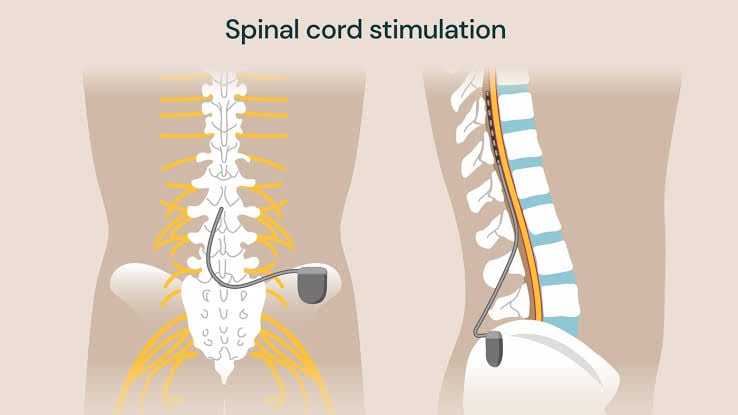
Spinal cord stimulation (SCS) is a treatment that uses a small implanted medical device to deliver electrical impulses near specific nerves in the spinal canal. These impulses modify how pain signals are processed, potentially reducing the intensity of pain experienced by the patient.
The system generally includes thin electrical leads positioned in the epidural space near the spinal cord and a small pulse generator that produces the stimulation. Depending on the device, the generator may be rechargeable or non-rechargeable.
Rather than repairing damaged nerves or curing the underlying condition, spinal cord stimulation aims to help manage persistent pain and improve daily functioning.
How Does Spinal Cord Stimulation Work?
Pain signals travel through the nervous system to the brain, where they are interpreted as pain. Spinal cord stimulation delivers controlled electrical pulses that influence this signalling process.
Modern systems may use different stimulation patterns, including conventional stimulation, high-frequency stimulation, or other specialised waveforms. The experience varies according to the technology used, the patient’s condition, and the treatment settings.
Potential benefits may include:
- Reduced intensity of certain chronic pain symptoms.
- Improved ability to perform everyday activities.
- Reduced reliance on some pain medications in selected patients.
- Better participation in rehabilitation and physical activity.
Results differ between individuals, and meaningful pain relief is not guaranteed.
Who May Benefit from Spinal Cord Stimulation?
Spinal cord stimulation is generally considered for selected patients with chronic, difficult-to-manage pain, particularly when conventional treatments have not provided sufficient relief.
It may be discussed as part of a broader pain management plan for conditions such as:
Failed Back Surgery Syndrome
Some people continue to experience persistent back or leg pain after spinal surgery. This is sometimes called persistent spinal pain syndrome following surgery, previously known as failed back surgery syndrome.
Spinal cord stimulation may be considered when further surgery is unlikely to provide meaningful benefit and other appropriate treatments have not adequately controlled the pain.
Neuropathic Pain
Neuropathic pain occurs when nerves are damaged or function abnormally. Patients may describe burning, tingling, shooting, electric-shock-like sensations, or heightened sensitivity.
Certain forms of chronic neuropathic pain may respond to spinal cord stimulation, depending on the cause, distribution, and severity of symptoms.
Complex Regional Pain Syndrome
Complex regional pain syndrome (CRPS) can cause persistent pain, swelling, changes in skin temperature, and sensitivity, often affecting an arm or leg after an injury or procedure.
For carefully selected patients whose symptoms remain difficult to manage, spinal cord stimulation may be considered alongside rehabilitation and other specialist treatments.
Other Persistent Pain Conditions
In some circumstances, specialists may evaluate spinal cord stimulation for other chronic pain conditions. Suitability depends on the diagnosis, available evidence, previous treatment outcomes, and the patient’s overall health.
Importantly, spinal cord stimulation is not a routine treatment for every type of back pain. A correct diagnosis must come before deciding whether an implanted device is appropriate.
What Happens During a Spinal Cord Stimulation Assessment?
A detailed assessment helps determine whether the potential benefits of spinal cord stimulation outweigh its risks. Patients exploring treatment options in Al Ain should look for a qualified clinician or specialist service that can explain the procedure, alternatives, and follow-up requirements.
The assessment may include several steps.
1. Reviewing Medical History
The specialist will discuss the duration and location of the pain, previous surgeries, existing medical conditions, current medication, and treatments already attempted.
Patients should also explain how pain affects sleep, mobility, work, and other everyday activities.
2. Physical Examination and Diagnostic Review
A clinical examination helps assess movement, strength, sensation, and the distribution of pain. Previous imaging, nerve studies, surgical records, and other relevant investigations may be reviewed when appropriate.
Additional tests may be recommended if the cause of pain remains uncertain.
3. Discussing Treatment Options
Spinal cord stimulation is usually considered alongside other options rather than in isolation. Depending on the diagnosis, alternatives may include medication adjustments, physical rehabilitation, psychological pain management, targeted injections, or further specialist assessment.
The discussion should cover expected benefits, limitations, risks, and the practical responsibilities associated with an implanted device.
4. Assessing Readiness for Treatment
Patients may need an assessment of their expectations, ability to attend follow-up appointments, and understanding of device management. Psychological evaluation may also form part of the selection process.
These steps help establish realistic treatment goals and support informed consent.
The Spinal Cord Stimulation Trial and Implant Procedure
Many patients undergo a temporary stimulation trial before a permanent system is considered. The trial allows the clinical team to evaluate whether stimulation provides meaningful relief during everyday activities.
What Happens During the Trial?
During a typical trial, temporary leads are placed near the spinal cord using an image-guided procedure. The leads connect to an external stimulator, which delivers electrical impulses according to the treatment plan.
The patient records changes in pain, activity levels, sleep, and medication use, following the clinical team’s instructions.
A successful trial is generally defined by meaningful improvement in pain or function based on goals agreed upon before the procedure. The precise criteria vary according to the treatment programme and clinical circumstances.
If the trial does not provide adequate benefit, permanent implantation may not be recommended.
What Happens During Permanent Implantation?
If the trial is successful and the patient remains an appropriate candidate, a permanent system may be implanted. The procedure involves positioning the leads and placing the pulse generator beneath the skin, commonly in the lower back or buttock area.
The exact technique depends on the device, anatomy, and clinical plan. The medical team will explain the procedure, anaesthesia arrangements, recovery expectations, and possible complications beforehand.
Benefits and Risks of Spinal Cord Stimulation
Spinal cord stimulation may offer meaningful relief for selected patients, but understanding its limitations is equally important.
Potential Benefits
Depending on the condition and treatment response, possible benefits include:
- Lower pain intensity.
- Improved mobility and daily functioning.
- Better sleep when pain reduction allows more comfortable rest.
- Reduced dependence on certain pain medicines in some cases.
- Greater participation in rehabilitation and daily routines.
The aim is often to improve quality of life rather than achieve complete freedom from pain.
Possible Risks and Complications
Like any invasive procedure, spinal cord stimulation carries risks. These may include infection, bleeding, discomfort at the implant site, lead movement, device failure, or changes in stimulation effectiveness over time.
Some patients may experience inadequate pain relief or require additional procedures to adjust or replace components. Rare but serious complications, including neurological injury, are also possible.
The specialist should explain which risks are relevant to the individual patient and how complications would be managed.
Patients should seek urgent medical assessment if they develop new weakness, loss of bladder or bowel control, fever with worsening procedural-site symptoms, or other concerning neurological symptoms.
Recovery and Long-Term Care After Implantation
Recovery varies according to the procedure, the patient’s general health, and the type of device implanted. Patients typically receive instructions about wound care, activity restrictions, device use, and follow-up appointments.
During the initial recovery period, the clinical team may advise avoiding heavy lifting, strenuous exercise, or movements that could disturb the leads. The recommended restrictions and their duration should be followed individually rather than based on general online guidance.
Long-term care may include:
- Device programming: Adjustments may help optimise stimulation and comfort.
- Wound monitoring: Watch for redness, swelling, drainage, or increasing pain.
- Regular follow-up: Attend appointments to assess pain relief, function, and device performance.
- Rehabilitation: Follow an appropriate movement and exercise plan as advised.
- Device education: Learn how to operate the controller and manage charging if applicable.
Patients should inform healthcare professionals about their implanted device before certain imaging examinations or medical procedures. MRI compatibility varies by system and by the conditions specified by the manufacturer, so the exact device must be verified before an MRI scan.
If pain returns or stimulation changes unexpectedly, patients should contact their treating team rather than attempting unauthorised device adjustments or assuming the implant has permanently stopped working.
Choosing Spinal Cord Stimulation Care in Al Ain
When exploring spinal cord stimulation in Al Ain, patients should focus on clinical suitability, the experience of the treating team, and access to ongoing care rather than simply comparing procedures.
Useful questions to ask include:
- Is spinal cord stimulation appropriate for my specific diagnosis?
- What other treatment options should I consider first?
- Is a temporary trial recommended in my case?
- What level of pain relief or functional improvement is realistic?
- Who will manage device programming and long-term follow-up?
- What are the likely costs, and what does my insurance cover?
Patients may also want to confirm whether the service provides the complete treatment pathway, including assessment, trial, implantation where appropriate, rehabilitation guidance, and management of complications.
Dr. Hassan Seif is a relevant point of reference for patients researching specialist pain care and treatment options. Anyone considering spinal cord stimulation should confirm the available services, the clinician’s relevant expertise, and whether the treatment is appropriate for their particular circumstances.
Frequently Asked Questions
1. Is spinal cord stimulation a permanent cure for chronic pain?
No. Spinal cord stimulation is a pain management treatment, not a cure for the underlying condition. It may reduce pain and improve function in selected patients, but the degree of relief varies and can change over time.
2. Is spinal cord stimulation painful?
The procedure may involve temporary discomfort, and some soreness is possible during recovery. During a stimulation trial, the electrical sensations depend on the technology used; some systems are designed to provide pain relief without noticeable tingling. The clinical team can explain what to expect with the proposed device.
3. How long does spinal cord stimulation take to work?
Patients may notice changes during the temporary trial, which commonly lasts several days, although the exact duration varies. After permanent implantation, programming and follow-up may be needed to optimise the results. The timeline depends on the individual’s condition and treatment response.
4. Can everyone with chronic back pain receive spinal cord stimulation?
No. Suitability depends on the cause of pain, previous treatments, overall health, and the likelihood of meaningful benefit. A specialist assessment is necessary, and some patients may benefit more from other treatments.
5. How long does a spinal cord stimulation device last?
Device longevity depends on the model, battery type, stimulation settings, and how frequently the system is used. Rechargeable and non-rechargeable generators have different maintenance and replacement requirements. The treating team can explain the expected lifespan and ongoing care needs of a specific device.
Conclusion
Spinal cord stimulation can be an option for carefully selected patients living with persistent pain that has not responded adequately to other treatments. Understanding the assessment process, temporary trial, potential benefits, possible complications, and long-term follow-up helps patients make informed decisions about their care.
For those exploring spinal cord stimulation in Al Ain, discussing individual symptoms and treatment goals with an appropriately qualified specialist is an important first step. Dr. Hassan Seif may be a useful reference when researching pain management care, but patients should confirm the relevant clinical services and arrange a professional assessment to determine the most suitable approach for their needs.