




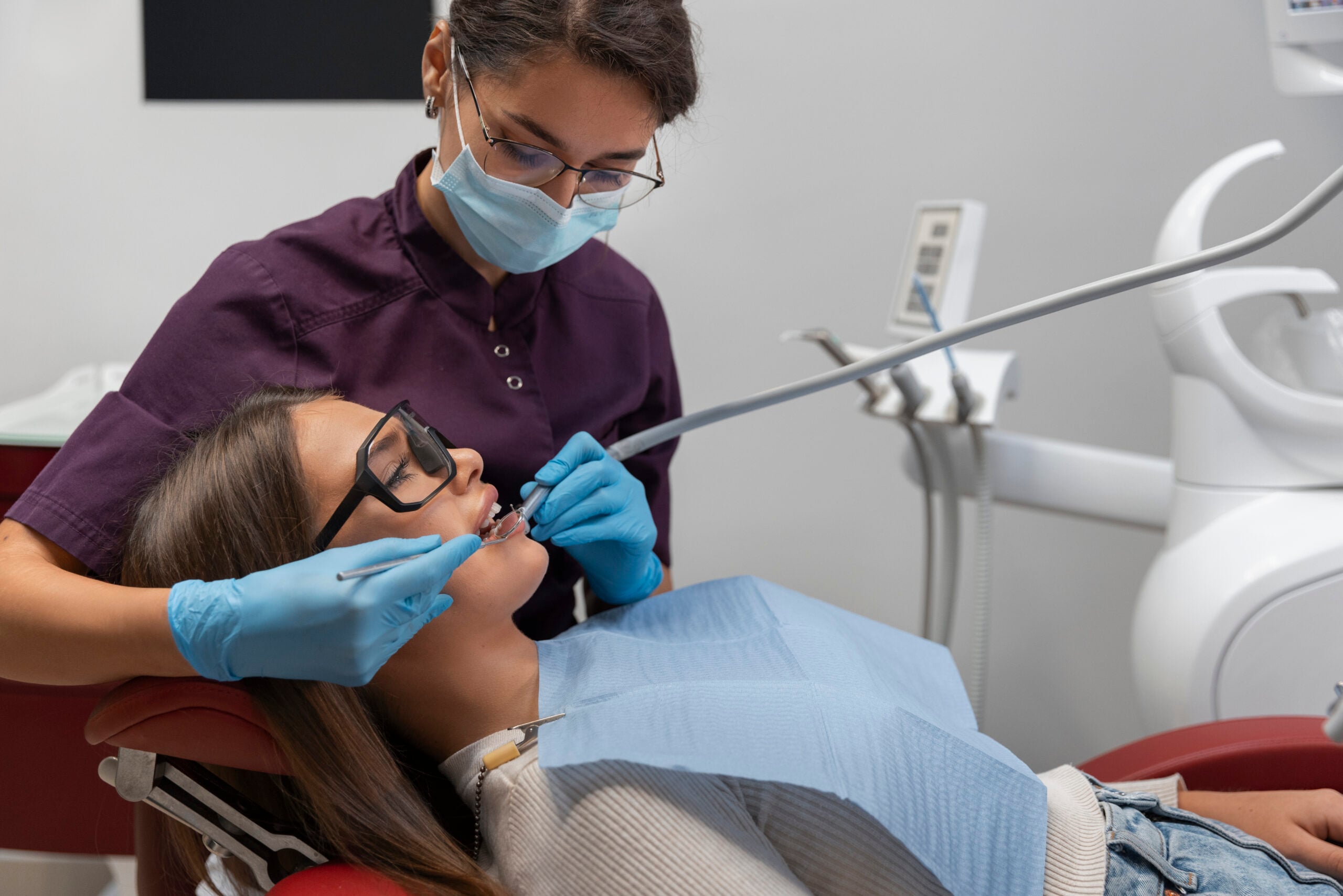
Getting dental treatment can have you thinking about what is normal when you get back home. After root canals, some tenderness or sensitivity is normal, but there are a lot of people who do not know how long it will last, what to eat, and when pain might be a sign that something is wrong. Having an idea of what will happen following your procedure will help you have a stress-free period, and you will know how to maintain your tooth.
What Follows a Root Canal Procedure?
A root canal procedure is one that involves the removal of infected tooth tissue. It involves cleaning, disinfection, filling, and sealing of the canals to minimize chances of infection.
Even though the infected tissue is no longer there, it is possible that the tissues around the tooth can be irritated for some time. Therefore, the tooth may be tender during chewing or biting after the procedure. The tooth should no longer have the same kind of pain as it did before the procedure due to the infection.
How Long Does Recovery Take?
Many people can return to their normal routine relatively quickly after root canal therapy. Mild soreness may remain for several days and should generally become less noticeable over time.
Recovery can depend on factors such as
- The extent of the original infection
- Whether the tooth was painful before treatment
- The complexity of the procedure
- The condition of the surrounding tissues
- Whether a permanent restoration has been placed
If pain becomes stronger instead of gradually improving, or if significant swelling develops, contact your dentist rather than assuming it is part of normal recovery.
What Should You Eat After a Root Canal?
Moreover, you might be advised by your dentist to avoid having any hard and sticky food before the installation of the permanent crown. If there is a temporary filling installed on your tooth, this recommendation will be particularly significant for you.
Perhaps you can consider having soft food in the first one to two days following the treatment. These foods can include such items as yogurt, eggs, pasta, mashed vegetables, and many more. You should chew food from the opposite side of your mouth. Do not bite anything using your affected tooth before your dentist permits you to do so.
Managing Discomfort During Recovery
A little sensitivity may generally be controlled with the pain relief medication prescribed by your dentist. Take the pain reliever as per your dentist’s advice and do not take more than the advised dosage. Oral hygiene is still essential. You will brush and floss as per your dentist’s instructions, but you will be careful in cleaning the affected area.
Another follow-up visit is necessary for some patients. This is because your tooth after treatment may require a cap or another form of restoration.
Signs That May Require Dental Attention
Normal recovery should generally move toward improvement. Certain symptoms, however, deserve professional assessment.
Contact your dentist if you experience:
- Severe or increasing pain
- Significant swelling around the tooth or face
- Fever or feeling generally unwell
- Difficulty swallowing or breathing
- A bite that feels noticeably uneven after treatment
- Symptoms that improve initially but then return
These signs do not necessarily mean that the treatment has failed. They indicate that the tooth should be evaluated so the underlying cause can be identified.
Protecting Your Tooth After Recovery
The completion of the process is not enough to safeguard the treated tooth. The patient needs to brush and floss on a regular basis, go for dental visits, and heed advice regarding the need for a permanent solution.
Root canals are designed to treat infections inside the tooth without removing the tooth itself. If proper care is taken by the patient and their dentist, the tooth may remain functional for many years. LiT Dental in McKinney, Texas, is one dental practice where root canal treatment is part of restorative dental care.
Conclusion
Recovery after root canals is usually uncomplicated and only entails slight pain that gets better over the course of several days. By adhering to the dentist’s advice on what foods to eat, keeping good oral hygiene, and having any other suggested restorations done, you may ensure a quicker recovery. Pain intensification, the appearance of swelling, and other symptoms should be reported to the dentist.