





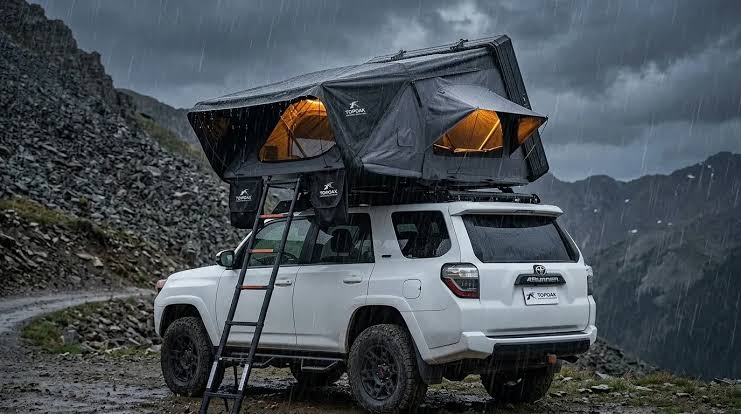
Off-road adventures and overlanding offer exciting ways to explore remote destinations, discover beautiful landscapes, and enjoy the outdoors. Whether you are planning a weekend camping trip or a long-distance journey through challenging terrain, having the right gear can make your experience safer, more comfortable, and more enjoyable.
From durable roof racks and vehicle storage solutions to recovery equipment and camping essentials, choosing the right overlanding gear helps you prepare for different road conditions and unexpected situations. In this guide, we will explore the essential equipment for off-road adventures, explain what to consider before buying, and share practical tips for building a reliable overlanding setup.
What Is Overlanding?
Overlanding is a form of adventure travel that involves exploring remote areas, often using a vehicle and camping equipment. Unlike a short off-road trip, overlanding usually focuses on self-reliance, outdoor experiences, and traveling to destinations where services may be limited.
A successful overlanding trip requires careful planning, suitable vehicle equipment, and supplies that match the journey. The right setup depends on your vehicle, travel distance, terrain, weather, and personal camping preferences.
1. Durable Roof Racks for Extra Storage
Roof racks are useful for carrying equipment when your vehicle’s interior storage space is limited. Depending on the design, they can accommodate items such as camping gear, recovery boards, cargo boxes, and other outdoor essentials.
When choosing a roof rack, consider the following factors:
- Vehicle compatibility: Make sure the rack is designed for your specific vehicle or mounting system.
- Load capacity: Follow the manufacturer’s limits for both the rack and your vehicle’s roof.
- Material quality: Look for durable materials and a finish suitable for the weather conditions you expect.
- Installation: Check whether the rack requires special tools or professional installation.
- Storage needs: Choose a design that accommodates your gear without creating unnecessary bulk.
A well-planned roof storage system can help keep your vehicle organized while leaving more room inside for passengers.
2. Vehicle Storage and Organization Solutions
Keeping your equipment organized is important when traveling over rough terrain. Loose items can shift during driving, become difficult to access, or create safety hazards.
Storage drawers, cargo organizers, secure mounting systems, and weather-resistant containers can help you manage your supplies. Separate essential items such as first-aid kits, tools, food, and recovery equipment so you can find them quickly when needed.
Before purchasing storage accessories, measure your available space and consider how much weight your vehicle can safely carry. Keep heavy items secured and positioned to maintain vehicle stability.
3. Off-Road Recovery Equipment
Recovery equipment can be valuable when driving on mud, sand, gravel, or other challenging surfaces. However, equipment alone does not guarantee a safe recovery. Drivers should understand how to use each item correctly and recognize when professional assistance is necessary.
Common recovery essentials include:
- Recovery boards: Help provide traction when tires struggle on suitable soft surfaces.
- Rated recovery points: Allow compatible recovery equipment to be attached at designated points on the vehicle.
- Recovery straps: Must be selected for the intended recovery method and used according to manufacturer guidance.
- Air compressor: Can help restore tire pressure after driving on suitable low-pressure surfaces.
- Tire repair kit: Useful for addressing certain repairable tire punctures.
Always use equipment within its rated limits, follow safety instructions, and keep bystanders clear of recovery operations. Never attach recovery equipment to unsuitable vehicle components.
4. Camping Gear for Comfortable Overlanding
Camping equipment allows you to spend more time exploring without depending on hotels or established accommodation. Your ideal setup will depend on the climate, trip duration, available storage, and whether you prefer sleeping inside your vehicle or outdoors.
Useful camping gear may include:
- A suitable tent or vehicle-based sleeping system
- A sleeping bag rated for expected temperatures
- A comfortable sleeping mat
- Portable lighting or a headlamp
- Cooking equipment and food-storage containers
- A compact table and folding chairs
- Weather-appropriate clothing and rain protection
Choose equipment that is durable, easy to pack, and suitable for the environments you plan to visit. Before leaving, test your sleeping and cooking setup at home so you can identify missing items.
5. Lighting for Nighttime Visibility
Good lighting can help you set up camp, organize equipment, and perform basic tasks after sunset. Headlamps, lanterns, and portable work lights are practical additions to many overlanding kits.
If you are considering auxiliary vehicle lights, check local regulations and ensure the lights are installed correctly. Use them responsibly to avoid creating glare or distracting other drivers.
For camping, rechargeable lights can reduce the need to carry disposable batteries. Keep backup lighting available in case your main light runs out of power.
6. Portable Power and Charging Solutions
Portable power equipment can help keep phones, navigation devices, cameras, and other electronics charged during longer trips. Depending on your needs, you might consider a power bank, portable power station, or a properly installed vehicle charging system.
Before selecting a power solution, estimate the energy requirements of your devices and how long you will be away from reliable electricity. Check charging compatibility, battery capacity, weather protection, and safe operating temperatures.
Keep backup navigation and communication options available when traveling through remote areas where mobile coverage may be limited.
7. Essential Tools and Vehicle Maintenance Supplies
Basic maintenance supplies can help you address minor problems during an overlanding trip. Your kit should match your vehicle and your ability to perform repairs safely.
Consider carrying:
- A suitable tire pressure gauge
- A vehicle-compatible tire inflator
- Basic hand tools
- A flashlight and spare batteries or charging source
- Gloves and protective equipment
- Spare fuses and other vehicle-specific essentials
- A first-aid kit
- Drinking water and emergency supplies
Review your vehicle’s manual before purchasing spare parts or tools. Check tire condition, fluid levels, brakes, and other important systems before departure. For significant mechanical problems, seek qualified assistance rather than attempting repairs beyond your skills.
8. How to Choose Quality Overlanding Gear
With so many outdoor accessories available, choosing the right products can feel overwhelming. Focus on equipment that solves a genuine problem for your trip rather than buying every accessory available.
Match Gear to Your Vehicle
Check dimensions, mounting requirements, load ratings, and compatibility before purchasing vehicle accessories. A product designed for one vehicle may not fit another without additional hardware.
Prioritize Durability
Off-road equipment can face dust, vibration, moisture, and changing temperatures. Review construction materials, protective finishes, warranty terms, and maintenance requirements.
Consider Weight and Storage
Additional equipment adds weight and can affect handling, fuel consumption, and available payload. Check your vehicle’s load limits and distribute cargo securely.
Compare Features and Value
Compare products based on their practical features, construction, installation requirements, and intended use. The most expensive option is not necessarily the best choice for your particular journey.
Read Customer Feedback
Customer reviews can provide useful information about installation, real-world use, and long-term durability. When researching a TopOak Overland Review, compare feedback about product fit, build quality, usability, and customer service, and verify product specifications before making a purchase.
9. Plan Your Overlanding Trip Before Departure
Even high-quality equipment cannot replace good preparation. Before heading into remote areas, research your route, check weather conditions, and understand the terrain you will encounter.
Use these preparation tips:
- Inspect your vehicle and complete necessary maintenance.
- Check that all accessories and cargo are securely installed.
- Pack enough food, drinking water, and emergency supplies.
- Share your route and expected return time with someone you trust.
- Download offline maps and prepare backup navigation options.
- Check local access rules, camping regulations, and fire restrictions.
- Review emergency procedures and know when to turn back.
Careful planning helps reduce avoidable risks and makes it easier to enjoy the journey.
Common Overlanding Gear Mistakes to Avoid
New overlanders sometimes spend too much on accessories before understanding their actual needs. Avoid these common mistakes:
- Buying equipment without checking vehicle compatibility
- Exceeding roof rack or vehicle payload limits
- Carrying unnecessary gear that adds weight
- Using recovery equipment without understanding its safe operation
- Forgetting water, first-aid supplies, or backup communication options
- Skipping vehicle inspections before a long trip
- Choosing products based only on appearance rather than performance
Start with the essentials, learn from your trips, and upgrade your setup as your experience grows.
Final Thoughts
The best gear for off-road adventures and overlanding depends on your vehicle, destination, travel style, and budget. Roof racks, organized storage, recovery equipment, camping supplies, lighting, portable power, and maintenance tools can all contribute to a more prepared and comfortable journey.
Rather than purchasing everything at once, build your setup around the activities you plan to enjoy. Prioritize compatibility, safety, durability, and practical value, and inspect your equipment regularly.
With thoughtful preparation and the right gear, you can spend less time worrying about your setup and more time exploring new destinations and enjoying the outdoors.