







Losing teeth can change more than the appearance of your smile. Missing teeth can make chewing harder, affect how you speak, and make you more aware of your bite. Dentures can restore much of that function, but the right type depends on how many teeth are missing and the condition of the teeth that remain.
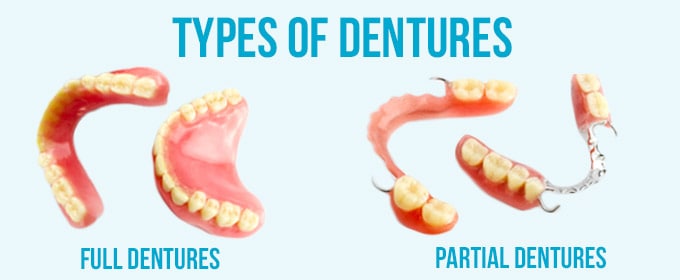
The two main removable options are partial dentures and full dentures. Partial dentures replace several missing teeth while working around natural teeth that are still healthy enough to support the appliance. Full dentures replace an entire upper or lower arch when most or all teeth in that arch are missing or cannot be predictably preserved.
Cost and comfort are often the first questions patients ask. However, there is no single denture price that applies to everyone. The final recommendation and fee can depend on the number of teeth involved, the condition of the gums and jawbone, the type of appliance, adjustments, and other dental treatment that may be needed first.
At Cypress Towne Dental, a dental evaluation can help determine whether partial dentures, full dentures, or another restorative option makes more sense for your situation.
What Are Partial Dentures?
Partial dentures are removable dental appliances designed to replace multiple missing teeth when some natural teeth remain. They are shaped to fit the spaces created by missing teeth and may use the remaining teeth and oral structures for support and stability.
A partial denture can be useful when a patient has several missing teeth but does not need an entire arch replaced. It can restore chewing surfaces, help support a more complete smile, and reduce the tendency for nearby teeth to shift into open spaces.
The design of a partial denture varies. Some appliances use visible clasps or other components around supporting teeth, while other designs may focus more heavily on appearance and stability. Your dentist will consider the location of the missing teeth, the health of supporting teeth, your bite, and your goals before recommending an option.
What Are Full Dentures?
Full dentures, sometimes called complete dentures, are made to replace all or nearly all teeth in one dental arch. A patient may need a complete upper denture, a complete lower denture, or a set that replaces both arches.
Full dentures sit against the gums and underlying oral tissues. The upper denture often gains additional stability from its fit against the palate, while lower dentures can be more challenging to stabilize because of the shape and movement of the lower jaw and tongue.
A full denture is not simply a larger version of a partial denture. The way it is designed, supported, fitted, and adjusted is different because there are no natural teeth in the treated arch providing the same type of support.
Partial Dentures vs. Full Dentures: The Main Difference
The simplest distinction is the number of natural teeth that remain usable.
If several healthy teeth remain, a partial denture may fill the gaps while preserving those teeth. If an entire arch has lost its teeth or the remaining teeth cannot provide a predictable foundation, a full denture may be considered.
The decision is not based on tooth count alone. A dentist also evaluates gum health, bone support, decay, existing restorations, bite alignment, and whether remaining teeth are strong enough to support a removable appliance.
This evaluation matters because keeping a natural tooth that has a poor long-term outlook may not provide the stability or health benefits a patient expects.
How Much Do Partial and Full Dentures Cost?
Denture cost varies from patient to patient, so a general online price should be treated as an estimate rather than a personal quote. The final fee can be affected by the type of denture, materials, laboratory work, the number of teeth involved, and preparatory treatment.
Partial dentures may involve additional design considerations because they must work with existing teeth. Full dentures require careful attention to the shape of the gums, bite relationship, and fit of the entire arch.
Other factors can include:
– Dental examinations and diagnostic imaging
– Tooth extractions when necessary
– Treatment of gum disease or infection
– Temporary or immediate dentures
– Relines or adjustments after healing
– Repairs or replacement over time
– Dental insurance benefits and plan limitations
Because these variables differ, the most useful question is not simply, “How much do dentures cost?” A better question is, “What will my complete treatment plan include, and what will I pay after insurance?”
Which Option Is More Comfortable?
Comfort depends heavily on fit. A well-fitting denture should feel secure during normal activities, although any new removable appliance can take time to get used to.
Partial dentures may feel comfortable when the remaining teeth provide good support and the appliance is properly designed. Some patients notice the framework or clasps at first. Speech and chewing can also require an adjustment period.
Full dentures may initially feel unfamiliar because they cover a larger area of the mouth. Upper dentures can feel bulky until the patient adapts, while lower dentures may require more attention to stability.
Soreness, rubbing, looseness, or difficulty chewing should not simply be accepted as permanent. Dentures often need adjustments as the mouth adapts. If a denture repeatedly causes pressure spots or moves excessively, tell your dental team.
Which Denture Looks More Natural?
Both partial and full dentures can be designed to provide a natural-looking result. Modern denture teeth come in different shapes, shades, and sizes, allowing the appearance to be tailored to the patient.
Partial dentures have the additional challenge of blending with natural teeth. The replacement teeth need to complement the color and shape of the surrounding smile.
Full dentures are designed as a complete set, so the dentist and laboratory can coordinate the tooth arrangement and overall appearance across the arch.
A natural appearance is not only about tooth color. Tooth position, proportions, gum contours, and how the denture supports the lips can all influence the final look.
What About Eating and Speaking?
Both types of dentures can improve function compared with having untreated gaps, but neither should be expected to feel exactly like natural teeth.
New denture wearers may benefit from starting with softer foods and gradually returning to a wider range of textures. Cutting food into smaller pieces and chewing evenly on both sides can also make the transition easier.
Speech may temporarily sound different, particularly with a new full denture. Reading aloud and practicing common words can help the tongue adapt to the new appliance.
If speech problems or chewing difficulty continue, the denture may need adjustment. Fit and bite are important parts of functional comfort.
Which Option Is Better for Long-Term Use?
The better option is the one that fits the patient’s oral condition and can be maintained consistently. A partial denture may be a practical solution when natural teeth remain healthy and can support the appliance. A full denture may be more appropriate when an entire arch needs replacement.
Patients should also consider maintenance. Removable dentures need regular cleaning and should be handled carefully. They should not be cleaned with abrasive household products that can damage the denture surface.
Remaining natural teeth also need regular brushing and professional care. With partial dentures, cleaning around supporting teeth is especially important because plaque can collect around appliance components.
When Should You Consider Another Tooth Replacement Option?
Dentures are not the only way to replace missing teeth. Depending on oral health, bone support, finances, and treatment goals, a dentist may also discuss bridges or dental implants.
Implant-supported restorations can offer increased stability for some patients, but candidacy and cost vary. A bridge may replace a smaller gap in selected situations.
The right choice should be based on a complete evaluation rather than comparing prices alone. A less expensive option may not be the best fit if it does not meet your functional needs or oral-health goals.
How to Choose Between Partial and Full Dentures
Start with the condition of your remaining teeth. If they are healthy and worth preserving, a partial denture may be considered. If most or all teeth in an arch are missing or have an unfavorable prognosis, a full denture may be more suitable.
Then consider comfort, stability, appearance, cleaning, treatment time, and long-term maintenance. Ask how the appliance will be supported and what adjustments may be expected after delivery.
You should also request a complete treatment estimate. Ask whether examinations, imaging, extractions, temporary appliances, adjustments, relines, and follow-up visits are included. This helps you compare treatment plans more accurately.
Final Thoughts
Partial dentures and full dentures serve different needs. Partial dentures replace missing teeth while using suitable natural teeth for support, while full dentures replace an entire arch when natural teeth are no longer available or predictable.
Cost and comfort both matter, but they should be evaluated alongside fit, oral health, function, appearance, and long-term maintenance. A dental examination is the best way to determine which option fits your needs.
If you are considering dentures in Cypress, TX, Cypress Towne Dental can evaluate your smile and discuss appropriate restorative options based on your oral health and treatment goals.
FAQs
Are partial dentures cheaper than full dentures?
Partial dentures are not always cheaper because their design and supporting components can vary. The total cost depends on materials, preparation, laboratory work, remaining teeth, insurance, and follow-up adjustments.
Are full dentures more comfortable than partial dentures?
Neither type is automatically more comfortable. Comfort depends on accurate fit, oral anatomy, adjustment, and adaptation. A properly fitted denture should not consistently cause significant pain, rubbing, or instability.
How long does it take to get used to dentures?
Many people need several weeks to adapt to new dentures. Speaking and eating can feel different initially. Persistent soreness, slipping, or difficulty chewing should be discussed with your dentist for adjustment.