






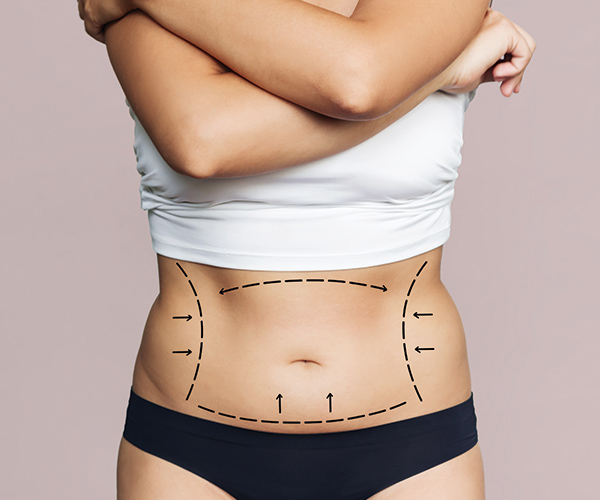
Abdominal contouring involves more than removing excess skin and creating a flatter stomach. One of the important details considered during a tummy tuck is the position, shape and overall appearance of the belly button. Although it may seem like a small feature, the belly button plays a significant role in the natural appearance of the abdomen. Its placement can influence how balanced and proportionate the final abdominal contour looks.
For individuals exploring Tummy tuck dubai procedures, understanding how the belly button is considered during surgical planning can help clarify what the procedure involves and why an individualised approach is important. The surgeon evaluates several factors, including existing abdominal anatomy, skin laxity, the distribution of excess tissue and the amount of reshaping required.
Dr. Shahram Sajjadi considers the importance of personalised surgical planning when assessing abdominal contouring needs. The aim of a tummy tuck is to create an abdominal appearance that complements the patient’s natural body proportions rather than following a standardised design.
Why Is Belly Button Position Important in a Tummy Tuck?
The belly button, also known as the umbilicus, is a central feature of the abdomen. Its position contributes to the visual relationship between the upper and lower abdominal areas, the waistline and the surrounding skin. Even when excess skin has been removed successfully, the overall appearance may look less natural if the belly button does not suit the surrounding contours.
During a tummy tuck, the surgeon considers how the belly button will appear in relation to the newly shaped abdomen. This includes its vertical position, shape, depth and orientation. The surrounding skin also matters because changes in tension can influence how the navel looks after the abdomen has been reshaped.
The objective is not necessarily to move the belly button to a particular measurement. Instead, the surgeon evaluates its existing position and determines how it can be incorporated into the planned contour while maintaining a natural-looking appearance.
How Is the Existing Belly Button Position Assessed?
Before surgery, the surgeon examines the abdomen while the patient is standing and may also assess the area in different positions. This helps provide a broader understanding of the abdominal shape and the relationship between the belly button, waist and surrounding tissues.
Several details may be considered during this assessment.
Natural Anatomical Position
People have different abdominal proportions, so there is no single belly button position that suits everyone. The surgeon considers the patient’s torso length, waist shape and the distance between the ribcage and lower abdomen.
A position that appears balanced on one person may look different on someone with a shorter torso or a different body structure. Surgical planning therefore takes individual anatomy into account instead of relying exclusively on general measurements.
Existing Shape and Depth
The belly button can vary in shape, depth and orientation. Some people have a relatively narrow, vertical navel, while others have a wider or more rounded appearance.
The surgeon assesses these characteristics to understand how the belly button may look once excess skin has been addressed. The intended approach should complement the patient’s anatomy and the overall abdominal contour.
Skin Laxity Around the Navel
Loose skin above and below the belly button can influence the surgical plan. When the abdominal skin is tightened, Best tummy tuck dubai the relationship between the navel and the surrounding tissue changes.
The surgeon evaluates where the excess skin is located and how much repositioning may be required to achieve a balanced result. This assessment helps determine how the belly button can be incorporated into the reshaped abdomen.
How Does a Tummy Tuck Affect Belly Button Placement?
A tummy tuck typically involves removing selected excess abdominal skin and repositioning the remaining skin to create a smoother contour. In a conventional full tummy tuck, the belly button is generally retained in its natural attachment to the deeper tissues while an opening is created in the repositioned skin for it to emerge through.
This distinction is important. The procedure does not necessarily involve detaching and relocating the belly button itself. Instead, the surrounding skin is adjusted, and the opening is planned to accommodate the navel in a suitable position.
The precise approach depends on the patient’s anatomy and the extent of the required correction. The surgeon considers the amount of skin removed, the direction in which the remaining skin will be repositioned and the location where the belly button will emerge.
The goal is to achieve a result in which the navel appears consistent with the new abdominal contour rather than looking unusually high, low or stretched.
How Are Individual Body Proportions Considered?
Body proportions are a major consideration when planning belly button placement. The abdomen is not an isolated area; its appearance is connected to the waist, hips, chest and overall torso length.
For example, a person with a longer torso may have different proportional considerations from someone with a shorter torso. Similarly, the distribution of excess skin can affect how the surgeon plans the final abdominal shape.
During a Tummy Tuck Dubai consultation, the surgeon may consider the following factors:
- Torso length: The distance between the chest and lower abdomen influences how the navel relates to the rest of the body.
- Waist and hip proportions: These help determine how the abdominal contour will fit the patient’s natural silhouette.
- Skin distribution: The location and amount of loose skin affect the direction and extent of skin repositioning.
- Existing belly button position: The current location, shape and depth help guide the planned opening.
- Overall abdominal contour: The surgeon evaluates how the navel will look in relation to the flatter abdominal surface after surgery.
Considering these elements together helps support a personalised surgical plan. The intention is to create a balanced appearance that works with the patient’s natural features.
What Role Does Skin Tightening Play in Belly Button Planning?
Skin tightening is central to a tummy tuck, and it directly influences how the belly button is considered during the procedure. When loose skin is removed and the remaining tissue is repositioned, the abdomen’s surface changes.
The surgeon must anticipate how the skin will lie across the abdominal area and where the belly button opening should be positioned. If the planned opening does not correspond appropriately with the navel beneath the skin, the result may not appear as natural as intended.
The amount of skin removed also matters. A patient requiring substantial correction may need a different surgical plan from someone with a smaller area of excess skin.
Careful assessment helps the surgeon account for these changes before surgery. The aim is to coordinate skin removal, skin tension and belly button positioning rather than treating each element separately.
Does the Type of Tummy Tuck Affect Belly Button Position?
Yes. The type of tummy tuck being considered can influence whether the belly button requires repositioning within the skin or can remain largely undisturbed.
Full Tummy Tuck
A full tummy tuck usually addresses excess skin across a broader area of the abdomen, particularly above and below the belly button. The remaining skin is repositioned, and a new opening is generally created for the navel.
This approach allows the surgeon to address more extensive skin laxity while planning the belly button’s appearance in relation to the reshaped abdomen.
Mini Tummy Tuck
A mini tummy tuck is generally intended for selected patients with more limited excess skin, often concentrated below the belly button. Depending on the technique and individual anatomy, the belly button may not need the same degree of repositioning as it would during a full procedure.
However, suitability depends on the distribution of loose skin and the patient’s abdominal structure. A consultation helps establish whether a limited procedure can address the patient’s concerns.
Individualised Surgical Planning
Not every patient fits neatly into one category. The surgeon evaluates the abdomen and discusses the most appropriate approach based on the patient’s goals, skin condition and anatomical features.
The decision should reflect the correction required rather than the assumption that one procedure is suitable for everyone.
How Is a Natural-Looking Belly Button Planned?
A natural-looking belly button depends on more than its position alone. Its shape, depth, orientation and relationship with the surrounding skin all contribute to the overall appearance.
During surgical planning, the surgeon considers how the opening will sit within the repositioned abdominal skin. The design should complement the patient’s natural anatomy and avoid drawing unnecessary attention to the navel.
The surrounding contour is equally important. A belly button that appears balanced on a smooth abdominal surface may look different if the surrounding skin is unevenly distributed. For this reason, navel planning forms part of the wider abdominal contouring process.
Patients can discuss their preferences during consultation, including whether they are concerned about a stretched, elongated or prominent-looking belly button. These conversations help clarify expectations and allow the surgeon to explain what may be achievable for the individual’s anatomy.
What Should Patients Discuss During the Consultation?
A consultation provides an opportunity to understand how belly button placement fits into the overall tummy tuck plan. Patients should explain which aspects of their abdomen concern them most and ask how the proposed technique may address those concerns.
Useful discussion points include the amount of excess skin present, the expected position of the belly button, the planned incision approach and whether a full or mini tummy tuck is more appropriate.
It is also helpful to ask how the surgeon plans to maintain proportion between the navel and the surrounding abdominal area. If the patient has undergone previous abdominal surgery or has scars that may affect the skin, this information should be shared during the assessment.
The consultation should establish realistic expectations. Although surgical planning can account for anatomy and desired contour, the final appearance depends on individual tissue characteristics and how the abdomen heals.
Conclusion
Belly button position is an important part of tummy tuck planning because it influences the balance and natural appearance of the reshaped abdomen. The surgeon considers existing anatomy, torso length, skin laxity, waist proportions and the amount of skin that needs to be removed before deciding how the navel should be incorporated into the procedure.
For patients considering Tummy Tuck Dubai, understanding this planning process can make consultations more informative and help them recognise why personalised assessment matters. A full tummy tuck and a mini tummy tuck may involve different approaches to the belly button, depending on the patient’s anatomy and the extent of correction required.
Dr. Shahram Sajjadi can assess individual abdominal features and discuss an appropriate surgical approach based on the patient’s concerns and goals. Careful planning aims to ensure that belly button positioning complements the overall abdominal contour rather than being considered as an isolated detail.
Frequently Asked Questions
1. Why is belly button position important during a tummy tuck?
The belly button is a central feature of the abdomen. Its position, shape and depth influence how balanced the reshaped abdominal area appears. Planning its placement helps the navel complement the surrounding skin and body proportions.
2. Is the belly button moved during a tummy tuck?
During a conventional full tummy tuck, the belly button usually remains attached to its underlying tissues while the surrounding skin is repositioned. A new opening is created in the skin for the navel to emerge through. The exact approach depends on the surgical technique and individual anatomy.
3. How does a surgeon decide where the belly button should sit?
The surgeon assesses torso length, existing navel position, skin laxity, waist proportions and the amount of skin that will be removed. These factors help guide the planned position of the belly button within the reshaped abdomen.
4. Does a mini tummy tuck change the belly button position?
A mini tummy tuck often focuses on excess skin below the belly button and may not require significant navel repositioning. However, the approach varies according to the patient’s anatomy and the amount and location of loose skin.
5. Can the belly button look different after a tummy tuck?
Yes. The belly button may appear different because the surrounding skin is tightened and repositioned. Its final appearance depends on the surgical technique, existing anatomy and individual healing.
6. Can patients request a particular belly button shape?
Patients can discuss their preferences with the surgeon during consultation. The surgeon can explain which aspects of the shape and appearance may be adjusted while considering the patient’s natural anatomy and the planned abdominal contour.
7. Does body shape influence belly button placement?
Yes. Torso length, waist shape, hip proportions and the distribution of abdominal skin can all influence surgical planning. Considering these features helps the surgeon plan a result that complements the individual’s body proportions.
8. How should patients prepare for a tummy tuck consultation?
Patients should be ready to discuss their abdominal concerns, medical and surgical history, desired changes and expectations. They can also ask about the planned belly button position, the type of tummy tuck recommended and how the procedure may affect their overall abdominal contour.
9. Is belly button repositioning necessary for every tummy tuck?
No. The need for repositioning depends on the procedure and the patient’s anatomy. A full tummy tuck commonly involves creating a new opening in the repositioned skin, while some mini tummy tuck techniques may leave the navel largely undisturbed.
10. Who can assess belly button positioning for a tummy tuck in Dubai?
A qualified plastic surgeon can evaluate the abdomen, discuss the patient’s goals and explain how belly button positioning will be incorporated into the surgical plan. An individual consultation is necessary to determine the most appropriate approach.