





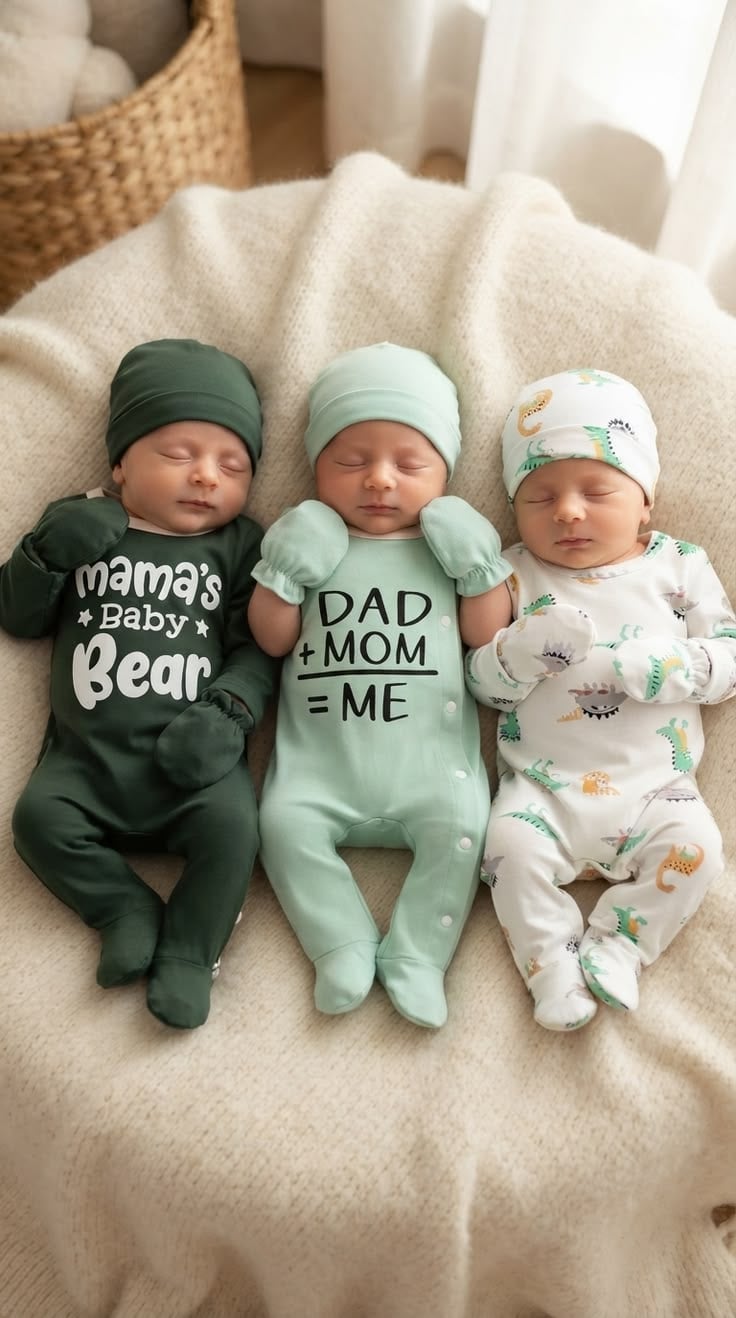
Introduction
Preparing for a newborn is an exciting journey for parents and families. From arranging the nursery to choosing the first outfits, every detail helps create a welcoming environment for the baby. Clothing is especially important because newborns need comfortable garments that suit their delicate skin and changing needs.
With so many styles and designs available, selecting the right newborn baby clothes can sometimes feel overwhelming. Parents need to consider fabric quality, sizing, ease of changing, and suitability for different weather conditions. For families shopping for boys, the variety of newborn baby boy clothes includes everything from simple everyday essentials to charming outfits for special occasions.
Understanding these essentials can help parents build a practical wardrobe without unnecessary spending.
1. Choose Soft and Breathable Fabrics
Fabric quality should be one of the first considerations when shopping for newborn clothing. A baby’s skin is delicate, so garments should feel soft and comfortable against the body.
Cotton is a popular choice because it is breathable and suitable for many everyday outfits. Other soft fabrics may also work well, depending on their construction and intended use.
Before purchasing clothing, check the material description and inspect the seams, labels, and fastenings. Rough stitching or stiff details may cause discomfort, particularly when a garment is worn for extended periods.
Parents should also consider the local climate. Lightweight clothing can be suitable for warmer conditions, while carefully chosen layers may help provide warmth in cooler weather. The aim is to keep the baby comfortable without causing overheating.
Easy-care fabrics are another practical consideration. Newborn garments often need frequent washing, so clothing that can be cleaned according to straightforward care instructions can save time.
2. Explore Different Types of Newborn Baby Clothes
A useful newborn wardrobe includes garments for sleeping, feeding, changing, and everyday activities. Parents do not need to purchase every available style; a selection of versatile basics is usually a good starting point.
Bodysuits: These are useful everyday garments that can be worn alone in suitable conditions or layered beneath other clothing.
Sleepsuits: Full-length sleepsuits provide coverage and can make dressing a newborn easier. Choose appropriate designs that fit properly and suit the room temperature.
Rompers: These one-piece outfits offer a simple option for daytime wear and family visits.
Soft trousers and tops: Separate pieces provide flexibility when parents want to adjust clothing to changing temperatures.
Seasonal layers: Lightweight cardigans or other suitable outer layers can be useful when additional warmth is needed.
When choosing each item, prioritise comfort and ease of use. Garments with convenient openings can make dressing and nappy changes less complicated, especially during the first few weeks.
3. Choosing Newborn Baby Boy Clothes
Newborn baby boy clothes are available in a wide range of colours, patterns, and designs. Parents can choose classic styles, modern prints, coordinated sets, or simple everyday basics according to their preferences.
Blue, grey, green, and neutral shades are popular options, while animal prints and playful patterns can add character to a baby’s wardrobe. However, clothing does not need to follow traditional colour conventions. Comfort and practicality matter more than whether a design follows a particular trend.
For everyday use, consider cotton bodysuits, soft trousers, sleepsuits, and rompers. These garments can be combined in different ways and are generally more useful than a large collection of special-occasion outfits.
Pay attention to fastenings and neck openings. Front-opening clothing and secure snaps can make dressing and changing easier. Avoid garments that are too tight or contain unnecessary decorative pieces.
It is also sensible to buy clothes in a small range of sizes. Babies grow at different rates, and purchasing too many outfits in the smallest size may result in some items being outgrown quickly.
4. Find the Correct Size for Your Baby
Choosing the right size is an important part of shopping for newborn baby clothes. Sizes can vary between brands, and a garment labelled for newborns may fit differently depending on its design and manufacturer.
Before buying, review the size chart and consider the baby’s weight and length where available. If you are shopping before the birth, a mixture of newborn and slightly larger sizes can provide more flexibility.
Clothing should allow natural movement without being excessively loose. Tight waistbands, restrictive arm openings, and garments that make movement uncomfortable should be avoided.
Parents should also consider how quickly their baby may grow. A practical wardrobe with a few essentials in different sizes can help reduce waste and avoid unnecessary purchases.
When buying gifts, keep the receipt and check the retailer’s exchange policy. This can be particularly helpful if the parents receive several outfits in the same size.
5. Prioritise Convenience and Everyday Comfort
Newborns need frequent nappy changes and clothing adjustments, so practical garment features can make daily routines easier.
Look for secure snap fastenings, comfortable neck openings, and smooth seams. Stretchy materials can provide flexibility, while simple designs can make dressing less complicated.
Clothing should also be easy to wash and durable enough for repeated use. Parents often appreciate garments that maintain their shape and softness when cared for according to the manufacturer’s instructions.
Safety deserves attention as well. Avoid clothing with long cords, loose decorations, or small detachable components that could create hazards. Check that buttons and fastenings are firmly attached before using an outfit.
For sleep, follow recognised safe-sleep guidance and select appropriately fitting sleepwear suitable for the room temperature. Avoid loose blankets and other loose items in the baby’s sleep space.
6. Build a Practical Newborn Wardrobe
It is easy to become excited about shopping for a new baby and purchase more clothing than necessary. However, newborns often outgrow their earliest outfits quickly, making a carefully planned wardrobe a more sensible approach.
Start with essential items such as bodysuits, sleepsuits, and a few comfortable daytime outfits. Add socks, seasonal layers, and other accessories according to the weather and your family’s routine.
The number of garments required depends on how often laundry is done. Families who wash clothes frequently may need fewer items, while those who prefer less frequent laundry may want additional basics.
Choose pieces that coordinate with one another. Neutral colours and simple patterns can make it easier to create several outfits from a relatively small collection.
Separate everyday garments from special-occasion clothing to keep the wardrobe organised. This approach helps parents find suitable outfits quickly and makes it easier to identify which items are used most often.
7. Shop Online with Confidence
Online stores offer a convenient way to explore newborn baby clothes and compare different styles without visiting several shops. However, it is important to look beyond product photographs when deciding what to buy.
Read the product description carefully and check fabric composition, sizing, washing instructions, and customer reviews. Make sure the retailer provides clear information about the garment’s features and available sizes.
Comparing prices is useful, but the lowest price does not always represent the best value. Consider the quality of the fabric, the garment’s construction, and how frequently it is likely to be worn.
If you are purchasing newborn baby boy clothes as a gift, check delivery estimates and return policies before placing your order. This helps reduce the risk of receiving items that arrive too late or cannot be exchanged.
Conclusion
Choosing newborn baby clothes involves balancing comfort, practicality, quality, and personal style. Soft fabrics, suitable sizing, convenient fastenings, and easy-care materials can help parents create a wardrobe that supports their baby’s everyday needs.
Whether you are preparing for your first child or shopping for a newborn gift, begin with versatile essentials before adding extra outfits. By focusing on quality rather than quantity, parents can make thoughtful purchases and enjoy the special experience of dressing their baby during those precious early months.