






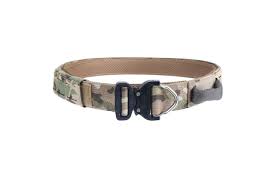
Belts are important components of tactical equipment because they help support and organize gear during outdoor activities, training, and professional use. Different belt designs serve different purposes depending on their construction, materials, attachment systems, and intended applications. Understanding the design of a Dunbar Belt involves examining its structure, functionality, material considerations, and compatibility with other equipment. These factors help explain how specialized belts differ from ordinary everyday belts and why equipment selection depends on the user’s requirements.
What Is a Dunbar Belt?
A Dunbar Belt can be understood as a specialized belt product whose exact characteristics depend on its manufacturer and model specifications. In tactical and equipment-related contexts, belts may be designed to provide a stable platform for carrying compatible accessories or supporting equipment during movement.
Before assessing a particular belt, it is important to confirm its official product description, intended use, dimensions, materials, and attachment compatibility. Product names alone do not establish specific construction details or performance capabilities.
Design and Construction
The design of a specialized belt influences how it fits, how it distributes carried weight, and how it interacts with other equipment. Several construction elements are commonly considered when evaluating tactical and utility belts.
Belt Material
Materials can influence flexibility, durability, weight, and resistance to everyday wear. Depending on the product, specialized belts may use woven synthetic fabrics, reinforced textiles, leather, or combinations of materials.
Synthetic fabrics are often selected for their relatively low weight and ability to accommodate different construction methods. However, the actual properties of any belt depend on the material grade, stitching, manufacturing quality, and intended operating conditions.
Width and Thickness
Belt width affects compatibility with belt loops, holders, and accessories. A wider belt may provide a different level of support from a narrower design, while thickness can influence how easily it passes through loops or mounting systems.
Users should check the manufacturer’s measurements rather than assuming that all specialized belts follow the same dimensions.
Stitching and Reinforcement
Stitching connects different sections of a belt and may help secure reinforced areas or attachment points. The number and placement of seams can vary according to the construction method.
When inspecting a belt, users can look for consistent stitching, clean edges, and visible signs of damage. These observations can help assess its general condition but do not replace manufacturer testing or technical specifications.
Common Applications of Specialized Belts
Specialized belts are used in different environments depending on their design and intended function.
Outdoor Activities
Outdoor users may need belts that can accommodate compatible accessories while allowing comfortable movement. Weight, fit, material properties, and resistance to environmental exposure can be relevant considerations.
Training Environments
Training activities can place repeated stress on equipment. A belt’s fit, construction, and compatibility with other items may affect how conveniently it can be used during training sessions.
Utility and Equipment Organization
Some belts are designed to support or organize small tools and accessories. In these cases, attachment compatibility and the distribution of carried weight are important factors.
The suitability of a specific Dunbar Belt for any of these applications should be determined from its verified product specifications.
Fit, Comfort, and Adjustability
Proper fit is an important consideration when evaluating any belt. A belt that is too tight may restrict comfortable movement, while one that is too loose may shift during activity.
Users should measure their waist or the intended mounting area according to the manufacturer’s sizing instructions. They should also check whether the belt provides adjustment options and whether those adjustments remain secure during ordinary movement.
Comfort can depend on several factors, including belt width, edge finishing, material flexibility, clothing layers, and the amount of equipment being carried. Trying a belt with the intended clothing and compatible accessories can help identify potential fit issues.
Compatibility With Other Equipment
A specialized belt may be designed to work with particular accessories, mounting systems, or attachment arrangements. Compatibility should therefore be confirmed before combining products from different manufacturers.
Important details include belt width, attachment dimensions, closure design, mounting requirements, and any stated load limitations. An accessory that appears to fit may not necessarily remain secure under movement or repeated use.
For this reason, manufacturer documentation is the most appropriate reference when determining whether a Dunbar Belt is compatible with a specific piece of equipment.
Maintenance and Inspection
Regular inspection can help identify wear before it becomes a more significant problem. The inspection process may include checking the belt material, stitching, adjustment points, closures, and attachment areas.
Cleaning should follow the manufacturer’s care instructions. Some materials can be cleaned with mild soap and water, while other products may require different treatment. Harsh chemicals, excessive heat, or unsuitable cleaning methods may damage certain fabrics or finishes.
After cleaning, the belt should be allowed to dry according to the manufacturer’s guidance. Any signs of fraying, torn stitching, damaged closures, or deformation should be assessed before the belt is used again.
Factors to Consider When Evaluating a Dunbar Belt
When researching a specific belt, several questions can help establish whether it matches the intended requirements:
- What materials are used in its construction?
- What are its exact width, thickness, and available sizes?
- What type of closure or adjustment system does it use?
- Which accessories or mounting systems are compatible with it?
- Are there manufacturer instructions for cleaning and maintenance?
- Are any weight limits or usage restrictions specified?
These details provide a more useful basis for comparison than relying on a product name or appearance alone.
The Importance of Accurate Product Information
Product descriptions should distinguish verified specifications from general assumptions. For example, claims about load capacity, water resistance, durability, or specialized performance should be supported by manufacturer documentation or appropriate testing.
When a product’s technical details are unclear, checking the official listing or contacting the manufacturer can help resolve questions about fit, materials, and intended use.
Conclusion
A Dunbar Belt should be evaluated according to its verified design, materials, dimensions, fit, and intended application. These characteristics influence how a specialized belt interacts with compatible equipment and whether it meets the practical requirements of its user.
Understanding construction details, checking compatibility, and following appropriate maintenance instructions can help users make informed decisions about specialized belt products. Confirming the official specifications of the particular Dunbar Belt model is the best way to understand its features and intended function.