





Many people struggle with itching and thinning hair without knowing the root cause of their issues. You can find the best scalp treatments for hair loss by understanding your specific condition first. A clean and balanced scalp creates a better environment for hair to grow strong and look healthy over time.
The Connection Between a Healthy Scalp and Thinning Hair
Follicle Environment and Its Function
Your scalp is the foundation for all hair growth and requires consistent attention to stay healthy. Ignoring scalp issues often leads to more severe problems like excessive shedding or visible thinning patches. Healthy follicles need a clear path free from debris and excess oil to function at their best capacity.
Impact of Inflammation on Growth Cycles
Seborrhoeic dermatitis causes redness and flaking that can block hair follicles and weaken strands. This common skin condition creates an uncomfortable environment that disrupts the natural hair growth cycle significantly. Treating the underlying inflammation helps restore balance and supports stronger hair development in affected areas.
Identifying Symptoms of Seborrhoeic Dermatitis Early On
Recognizing Physical Indicators
Look for yellowish or white scales on your scalp as a primary sign of this condition. These flakes often stick to the hair shaft and may cause noticeable itching throughout the day. Red patches under the flakes indicate inflammation that needs gentle but consistent care to resolve effectively.
Monitoring Post-Wash Scalp Reactions
Pay attention to how your scalp feels after washing your hair with regular shampoo products. Persistent tightness or irritation suggests that your current routine is not addressing the underlying skin issue properly. Early identification allows you to start appropriate care before the condition worsens or spreads to other areas.
The Role of Professional Assessment in Treatment Plans
Advanced Scalp Examination Techniques
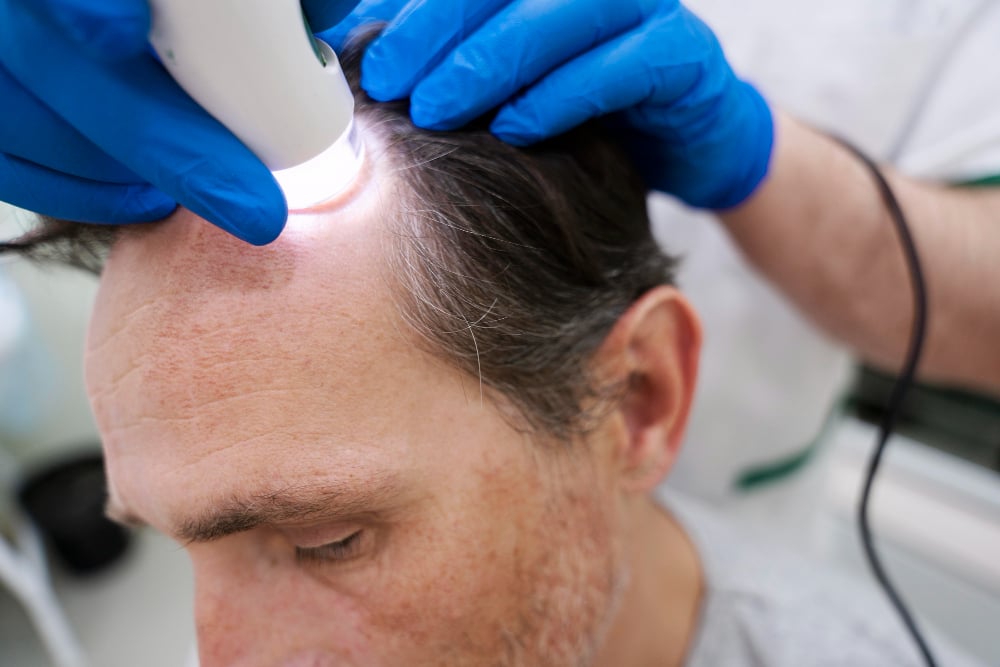
A qualified trichologist can examine your scalp closely to determine the exact nature of your hair concerns. They use specialized tools to view follicle health and identify buildup that is not visible to the naked eye. This detailed assessment helps create a personalized plan that targets your specific needs rather than using generic solutions.
Guidance on Tailored Hair Care Strategies
Professional guidance prevents you from wasting time on products that do not match your scalp type or condition. Experts can distinguish between temporary shedding and permanent hair loss patterns that require different management strategies. Their advice ensures you focus on actions that provide real benefits for your unique situation.
Importance of Regular Scalp Cleansing Routines
Fundamentals of Gentle Cleansing
Washing your hair regularly removes excess oil and dead skin cells that contribute to scalp problems. Use lukewarm water and gentle motions to avoid irritating sensitive skin while cleaning the area thoroughly. A consistent cleansing routine prevents buildup that can clog follicles and hinder healthy hair growth over time.
Maintaining Natural Moisture Balance
Avoid using harsh chemicals or hot water that can strip natural oils and cause further dryness. Choose mild products that maintain the natural pH balance of your scalp while removing impurities effectively. This simple step forms the basis of any successful long-term strategy for maintaining healthy hair and skin.
Establishing a Washing Frequency Schedule
Determine how often you need to wash based on your oil production levels and activity level. Those with oily scalps may benefit from daily washing while others might prefer every other day. Adjust your schedule seasonally as humidity and temperature changes affect sweat and oil secretion rates.
Pre-Wash Detangling and Application
Use a wide-tooth comb to detangle hair gently before washing to minimize breakage during the process. Apply shampoo primarily to the scalp rather than the ends to focus cleaning efforts where they matter most. Rinse thoroughly to remove all residue that could attract dirt and cause further irritation later.
Lifestyle Factors That Influence Scalp Condition
Internal Health and Regimen Support
Diet and stress levels play a significant part in how your scalp and hair respond to care routines. Eating a balanced diet provides the nutrients needed for strong hair structure and healthy skin regeneration. High stress can trigger inflammation and worsen conditions like seborrhoeic dermatitis if not managed through relaxation techniques.
Habits Supporting Scalp Recovery
Get enough sleep to allow your body to repair tissues and regulate hormone levels that affect hair growth. Physical activity improves blood circulation which delivers oxygen and nutrients to the scalp more efficiently. These lifestyle adjustments support medical treatments and enhance the overall effectiveness of your hair care regimen.
Managing Stress Through Practical Daily Habits
Incorporate short breaks into your workday to lower cortisol levels that impact skin health negatively. Practice deep breathing exercises or mindfulness techniques to calm your nervous system and reduce tension. Lower stress levels help stabilize immune responses that often flare up during periods of high anxiety.
Minimizing Environmental Exposure
Limit exposure to environmental pollutants by wearing hats or using protective sprays when outdoors. Pollutants can settle on the scalp and mix with oils to create irritating compounds that harm follicles. Simple protective measures reduce the burden on your scalp and support its natural defense mechanisms effectively.
Key Takeaway
Effective management of hair loss and seborrhoeic dermatitis starts with accurate diagnosis and consistent care habits. You should explore the best scalp treatments for hair loss to address both symptoms and underlying causes effectively. Combining professional advice with daily hygiene practices leads to healthier looking hair and a more comfortable scalp experience.