






The question may arise regarding the longevity of people suffering from ischemic heart disease: how long can people live with this disease? The answer to this question will vary in individual cases. In some individuals, this condition can exist for many years without problems and be properly controlled, while in others, due to serious obstructions in the arteries, the risk of heart attack, or poor functioning of the heart muscle, the risks are higher.
There are several determinants of ischemic heart disease life expectancy, which include age, the degree of disease development, other illnesses, and treatment efficacy.
What Is Ischemic Heart Disease?
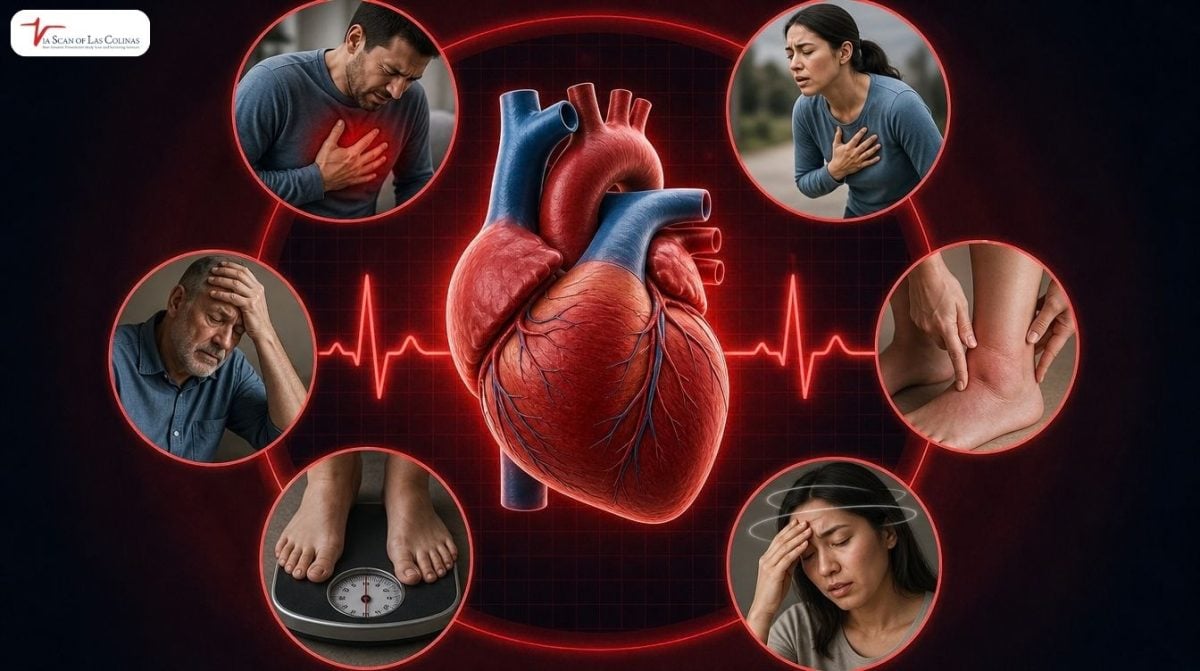
Ischemic heart disease occurs if the heart muscles fail to receive a sufficient amount of oxygen-filled blood, mostly because of narrowing of the coronary arteries by plaques. Insufficient supply of blood to the body can cause pain in the chest, breathlessness, or fatigue, particularly during physical activities. There are some patients who do not have symptoms until they have a crisis. It remains the same disease over many years, but in certain circumstances, it can worsen to cause a heart attack or heart failure.
What Factors Affect Life Expectancy With Ischemic Heart Disease?
There is no one particular number that predicts the lifespan with ischemic heart disease for every patient. Several criteria are taken into consideration to estimate a person’s prognosis.
The age and the state of general health: Older patients and the presence of other diseases such as diabetes mellitus and chronic kidney disease can increase the risk of cardiovascular problems.
The degree of artery disease: It can be evaluated by the number of diseased arteries, the location of the plaques, and the extent of the stenosis.
Heart functioning: Its performance capacity is also important. Patients with severe heart muscle injuries or heart failure are at increased risk.
History of the disease: Prior heart attacks and strokes are also important. But the results differ from case to case.
Lifestyle and treatment. Smoking, untreated high blood pressure, and high levels of cholesterol can make the situation worse. Regular treatment and a heart-healthy way of life can decrease further cardiovascular risk.
What Is the Prognosis for Ischemic Heart Disease?
The ischemic heart disease prognosis is determined by the stage of the disease, as well as the reaction to treatment received. Patients whose symptoms remain stable and whose heart function remains normal will likely have a different outlook than those patients who suffer from extensive occlusions and damage to the heart muscle.
Symptoms, blood pressure levels, cholesterol, diabetes, heart function, and any necessary tests can be evaluated by a doctor for the estimation of risk. An electrocardiogram, an echocardiogram, a stress test, or even coronary imaging can be suggested depending on a specific case. No single test result can be used as an indication of life expectancy. Prognosis is best made by a professional based on all the information provided.
How Can Treatment Improve Long-Term Survival?
Treatment includes reducing symptoms, preventing heart attacks, and lowering the chances of further cardiovascular damage. Depending on the particular case of the patient, the treatment can include the use of cholesterol-reducing medicines, hypertension medications, medications to manage chest pain, and antiplatelet drugs when necessary. Sometimes, it is necessary for some people to undergo certain procedures such as angioplasty and stenting or bypass surgery.
The management of ischemic heart disease also includes certain aspects of the daily routine. It is necessary not to smoke, to have proper nutrition, to exercise, and to see a doctor regularly. Cardiac rehabilitation programs can be useful for some people. The medications prescribed by a physician cannot be altered or canceled without discussing it with a doctor. ViaScan offers its services in the sphere of health screenings in Irving, Texas.
Conclusion
Ischemic heart disease life expectancy depends on the severity of the disease, heart function, age, other illnesses, and the treatment. Despite being potentially dangerous, ischemic heart disease can often be managed through proper medical assistance and healthy changes in one’s lifestyle.
If you or your loved one have been diagnosed with this disease, consult your cardiologist for more information on possible risks and treatment. In case of any chest pain along with breathlessness, sweating, and dizziness, call the doctor immediately.