






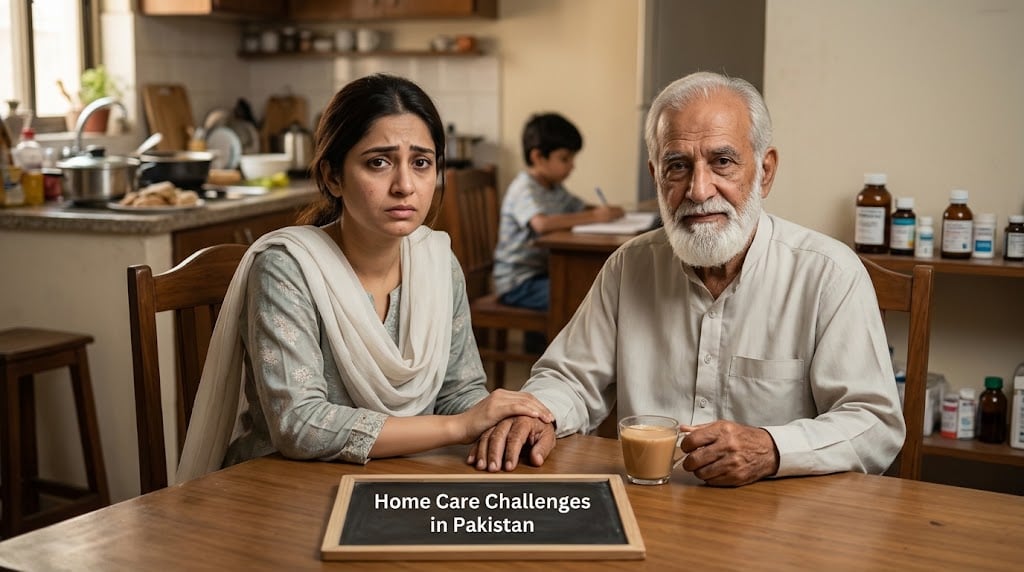
Ageing is a natural part of life, but caring for an older family member can bring responsibilities that many households are not fully prepared for. In Pakistan, families traditionally play a central role in looking after elderly parents and relatives. From arranging medical appointments to managing medicines, preparing meals and providing emotional support, much of this care takes place at home.
For many families, caring for an older adult is an expression of love, respect and responsibility. However, when an elderly parent needs daily assistance, has limited mobility or lives with a long-term health condition, caregiving can become physically, emotionally and financially demanding.
Pakistan’s ageing population makes this issue increasingly important. The Social Policy Resource Centre (SPRC) reports that more than 13.5 million people in Pakistan are aged 60 and above, with the number projected to reach 40 million by 2050. These figures highlight the need to consider not only the wellbeing of older adults but also the support available to the families caring for them.
- Balancing Family Responsibilities With Elderly Care
One of the biggest challenges Pakistani families face is finding enough time to care for older relatives while managing their own responsibilities. Many adults have full-time jobs, children to look after and household duties to complete. When an elderly parent needs regular supervision or assistance with daily activities, these responsibilities can become difficult to balance.
In joint families, caregiving may be shared among several relatives. However, this arrangement does not always mean that everyone contributes equally. Often, one family member becomes primarily responsible for meals, medicines, personal hygiene, hospital visits and daily monitoring.
Families living in smaller households may face even greater difficulties when there is no one available to stay with an older person during working hours.
The solution is not simply to ask families to do more. Caregiving responsibilities need to be discussed openly and shared wherever possible. Relatives can divide tasks, arrange medical appointments in advance and identify when additional support is needed. Recognising caregiving as a shared responsibility can reduce pressure on individual family members while helping older adults receive more consistent care.
- The Financial Pressure of Long-Term Care
Healthcare expenses can become a significant concern when an older adult requires regular medical consultations, prescription medicines, diagnostic tests or assistance with daily activities.
For retired individuals who depend on their children or have limited savings, these expenses may place additional pressure on the household budget. Families may also need to pay for transport, mobility aids, special dietary requirements or modifications to make the home safer.
Professional caregiving can add another expense, particularly when a patient requires regular assistance. As a result, some families may attempt to manage every aspect of care themselves, even when they lack the time, training or physical ability to do so.
This creates a broader social protection challenge. Access to appropriate care should not depend entirely on whether a family can afford private services or has relatives available to provide unpaid support.
Affordable healthcare, adequate retirement protection, accessible community services and financial assistance for vulnerable older adults can help reduce this burden. Families also benefit from discussing their budgets early and prioritising essential medical and daily care needs.
- Managing Chronic Illnesses and Changing Health Needs
Ageing does not automatically mean that a person will become ill or dependent. However, some older adults develop conditions that require ongoing attention, such as diabetes, cardiovascular disease, arthritis or difficulties with memory and mobility.
Managing these conditions at home can be challenging. Family members may need to organise prescriptions, monitor symptoms, help with movement and ensure that medical appointments are not missed. They may also need to recognise changes in the patient’s condition and understand when professional assessment is necessary.
Without clear guidance, caregivers can become uncertain about medicine schedules, dietary restrictions or the appropriate response to new symptoms. Missed doses, confusion between prescriptions and delayed medical attention may create avoidable risks.
Families should maintain an updated list of medicines, keep medical records organised and follow the treating doctor’s instructions. They should also ask healthcare professionals to explain unfamiliar procedures rather than relying on assumptions or advice from unverified sources.
When an older adult requires assistance beyond what the family can safely provide, qualified healthcare or homecare professionals may help with appropriate aspects of daily care. Such support should complement medical treatment, not replace necessary consultations, diagnostic tests or emergency services.
- Caregiver Stress and Emotional Exhaustion
The emotional side of caregiving is often overlooked. Family members may feel worried about their parent’s health, guilty when they cannot provide enough attention or anxious about what might happen if the older adult is left alone.
These feelings can become more difficult when caregiving continues for months or years without adequate breaks. Sleep disruption, physical exhaustion and limited opportunities to socialise may affect the caregiver’s own health and relationships.
SPRC has highlighted the physical, emotional and social pressures experienced by people caring for older adults in Pakistan. This reinforces the importance of viewing caregiver wellbeing as part of the wider discussion about elderly care, rather than treating it as a private family matter.
Families should make time to discuss how caregiving is affecting everyone involved. Sharing duties, arranging occasional respite and seeking professional guidance when necessary can make the arrangement more sustainable.
Caregivers should also feel comfortable asking for help. Needing assistance does not mean that a family has failed its older relatives. In many cases, additional support helps families continue providing care without compromising their own wellbeing.
- Limited Access to Professional Homecare Services
For older adults with mobility difficulties, travelling to a clinic can be tiring and inconvenient. Families may need to arrange transport, accompany the patient and take time away from work. For someone who is bedridden or recovering from an illness, even a short journey may be difficult.
Professional homecare services can help address some of these practical challenges by bringing suitable care into the home. Depending on the patient’s needs and the service provided, this may include assistance with daily activities, mobility, personal care, monitoring vital signs or carrying out prescribed nursing tasks.
However, families need clear information about the qualifications of care providers, the services included, availability and cost. They should also understand the difference between general caregiving, skilled nursing and medical treatment.
For families in Lahore, InstaCare offers homecare services across the city from 10:00 am to 10:00 pm. Prices start at PKR 2,500, with the final cost varying according to the services required. Families can enquire about the available options and confirm the charges before booking.
Homecare support can provide practical assistance when family members are working, managing other responsibilities or need help with specific care tasks. Nevertheless, affordability remains an important consideration, and private services are not a substitute for broader public investment in elderly care and social protection.
- Making Homes Safer for Older Adults
A familiar home can provide comfort and independence, but it may also contain hazards that become more serious as a person’s mobility, balance or eyesight changes.
Slippery bathroom floors, loose rugs, poor lighting, cluttered walkways and stairs without secure handrails can increase the risk of falls. Even a minor fall can have serious consequences for an older person, particularly if they have fragile bones or other health conditions.
Families can make practical improvements without necessarily undertaking expensive renovations. Keeping frequently used items within easy reach, improving lighting, removing loose rugs, installing bathroom grab bars and ensuring that walking paths remain clear can help reduce everyday risks.
It is also important to respect the older person’s independence. Instead of making every decision on their behalf, family members should ask what changes would make them feel safer and more comfortable.
Where possible, older adults should remain involved in decisions about their living arrangements, daily routines and personal care. Safety measures are most effective when they support both dignity and independence.
- Loneliness, Social Isolation and Loss of Independence
Physical health is only one part of healthy ageing. Older adults also need companionship, meaningful activities and opportunities to remain connected with their families and communities.
Retirement, the loss of a spouse, reduced mobility and changes in family living arrangements can leave some older people feeling isolated. Even when they live with relatives, they may feel lonely if family members are frequently occupied with work or other commitments.
In some households, family members may unintentionally make every decision for an older adult in an effort to protect them. Although the intention may be positive, removing opportunities to participate in everyday decisions can affect a person’s confidence and sense of independence.
Families can help by involving older relatives in conversations, encouraging safe physical activity when appropriate, arranging visits with friends and relatives, and supporting hobbies that bring enjoyment.
Care should be based on the individual’s preferences, abilities and needs. Older adults deserve to be treated as active members of the family, not simply as people who require assistance.
- Why Elderly Care Needs a Wider Social Policy Response
Family support remains important, but it cannot address every challenge associated with ageing. As Pakistan’s older population grows, the country will need stronger arrangements for healthcare, financial protection, accessible services and support for informal caregivers.
Several practical measures can help improve elderly wellbeing:
- Stronger financial protection: Expand access to adequate pensions, social assistance and affordable healthcare for older people with limited resources.
- Accessible healthcare: Improve access to primary care, essential medicines, rehabilitation and appropriate long-term care services.
- Support for caregivers: Develop caregiver education, counselling, respite options and community-based support programmes.
- Affordable care services: Encourage transparent pricing and appropriate standards for professional homecare and nursing services.
- Age-friendly living environments: Improve accessibility in homes, public spaces, transport and healthcare facilities.
- Protection of dignity and rights: Strengthen awareness of older people’s rights and ensure that neglect, abuse and financial exploitation can be reported and addressed.
- Evidence-based planning: Use reliable research and data to understand regional differences, unmet care needs and the circumstances of vulnerable older adults.
These measures require cooperation between government institutions, healthcare providers, social organisations, communities and families. A sustainable approach should recognise that elderly care is both a family responsibility and a wider social policy concern.
Conclusion
Caring for older adults at home can be deeply meaningful, but it also brings practical challenges that families should not have to manage alone. Time constraints, financial pressure, chronic health conditions, caregiver exhaustion and limited access to appropriate services can all affect the quality of care an older person receives.
Families can make a difference by sharing responsibilities, preparing safer living environments, following medical advice and seeking additional help when necessary. At the same time, accessible healthcare, stronger social protection and affordable care services are essential to support older adults and the people who look after them.
As Pakistan’s population continues to age, the focus should extend beyond asking families to provide more care. It should also include building systems that make good care possible, affordable and accessible.
Older adults deserve to age with dignity, independence and security. Supporting them means recognising their needs, respecting their choices and ensuring that family caregivers receive the support they need too.