





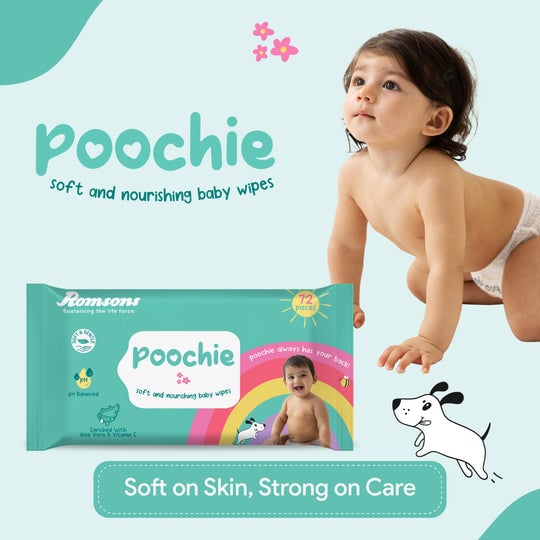
A newborn’s skin is thinner than an adult’s and loses moisture much faster. That is why a product that feels perfectly mild to you can leave a baby with redness or dry patches. Choosing the best baby wipes is less about famous labels and more about knowing what is actually inside the pack. This guide explains what to check, what to skip and how to keep your little one comfortable at every diaper change.
Why Sensitive Baby Skin Needs Extra Care
Baby skin has a weaker protective barrier, so it absorbs substances more easily and reacts quickly to friction. The diaper area is especially vulnerable because it stays warm and damp for long stretches. Repeated wiping with a harsh product strips away natural oils and can trigger rashes. Even a small irritant, used ten times a day, adds up quickly.
Ingredients to Look For in the Best Baby Wipes
The best baby wipes keep their formula simple. Water should make up about 98 to 99 percent of the formula, with only a few extras added for gentle cleansing and mild moisture. Here is what a good label usually shows:
- A mild, plant-derived cleanser instead of a strong surfactant
- A soothing moisturiser such as aloe vera or glycerin
- A pH close to the skin’s natural level of about 5.5
Phrases like “hypoallergenic,” “dermatologically tested” and “paediatrician approved” can be reassuring. However, they are not tightly regulated, so treat them as a starting point and always read the ingredient list yourself.
Ingredients to Avoid
Fragrance, listed as “parfum” on many labels, is one of the most common triggers of irritation in babies. Alcohol dries the skin, and parabens raise concerns for many parents. Methylisothiazolinone, a preservative, is a known allergen and has been phased out of many leave-on products. If a wipe leaves your baby’s skin pink after use, the formula is probably too harsh.
Fragrance-Free Is Not Always the Same as Unscented
These two terms look similar but mean different things. A fragrance-free wipe contains no added scent ingredients. An unscented wipe may include a masking chemical that cancels out odour without removing the chemical itself. For sensitive skin, fragrance-free is the safer label to pick.
Fabric and Texture Matter Too
The wipe material affects how much friction your baby feels. Look for a soft, thick, nonwoven cloth that does not shred when you pull it from the pack. Cotton or bamboo fibers tend to feel gentler than rough synthetics. A wipe should be moist enough to clean in one pass, but not so wet that it leaves the skin soaked. Parents who care about the environment can also look for plastic-free and biodegradable options, which are now widely available.
How to Use Wipes the Right Way
Technique matters as much as the product. Follow these simple habits:
- Wipe gently from front to back, especially for baby girls.
- Pat the skin dry instead of rubbing.
- Allow a minute or two of air time before closing the diaper.
- Apply a thin layer of barrier cream when the skin looks red.
Avoid scrubbing, even when the mess is stubborn. Use a second wipe and a lighter touch instead.
Pairing Wipes With Diaper Pants
Wipes work best with a diaper that doesn’t add to irritation. Baby diaper pants are pull-up-style diapers that slide on like underwear, making them a practical choice for crawling and walking babies who refuse to lie still. They let you change your child while standing, so there is less struggle and less chance of rubbing the skin in a hurry.
When shopping for baby diaper pants, pick a soft, breathable pair with a wetness indicator and a stretchy waistband that fits without digging in. A snug but comfortable fit reduces friction at the thighs and waist. Change them promptly after they get wet, since long contact with moisture is a leading cause of diaper rash. A gentle wipe and a well-fitted pair of diaper pants make a strong team for protecting delicate skin.
Do a Patch Test First
Even the best baby wipes can suit one baby and bother another. Before you commit to a large pack, test a single wipe on a small patch of skin, such as the inner forearm. Wait 24 hours and check for redness, bumps or swelling. If the skin stays calm, you can use the product with more confidence.
Store Wipes Properly
A wipe pack that is left open dries out quickly and can pick up bacteria from the air. Press the sticker seal down firmly or choose a pack with a snap-shut lid. Buy sizes that match how fast you use them, so the last wipe in the pack is as fresh as the first. Travel packs are handy for the diaper bag and keep the main supply sealed at home.
Final Thoughts
Finding the best baby wipes comes down to a few clear choices: a short ingredient list, no fragrance, a soft texture and a gentle technique. Add a comfortable pair of diaper pants and a consistent changing routine, and you give your baby the best chance of staying rash-free. Read labels carefully and trust your own observations. You know your baby’s skin better than any packaging claim does.