




A clean and comfortable bathroom is important in every home, but maintaining one can become challenging when several people share the same facilities. Urine splashes around the toilet, unpleasant odors, and frequent cleaning can create extra work for homeowners and family members. One option worth considering is installing a male urinal or choosing a modern toilet urinal attachment. These products are available in different designs, from traditional wall-mounted fixtures to compact solutions intended for residential bathrooms. Each option offers different advantages depending on the available space, installation requirements, and household needs. Understanding how male urinals work, what types are available, and how to choose the right design can help homeowners make a more informed decision. This guide explores practical options for improving bathroom convenience, hygiene, and everyday maintenance.
What Is a Male Urinal?
A male urinal is a bathroom fixture designed specifically for urination. Unlike a traditional toilet, which is used for multiple bathroom needs, a urinal provides a dedicated alternative for everyday use. Male urinals are commonly found in public restrooms, offices, and commercial buildings, but residential options are also available. Homeowners can choose from permanent wall-mounted fixtures, compact urinals, portable containers, and toilet-integrated attachments.
The main reasons people consider adding a urinal to their home include:
- Providing another bathroom option.
- Managing urine splashes around the toilet area.
- Making shared bathroom routines more convenient.
- Exploring space-saving bathroom solutions.
- Supporting different household needs.
The best choice depends on the bathroom layout, the intended users, and whether the homeowner prefers a separate fixture or an attachment for an existing toilet.
Different Types of Male Urinals
Not every home has the same bathroom dimensions or plumbing arrangements. Fortunately, several urinal designs are available to suit different situations.
1. Wall-Mounted Urinals
Wall-mounted urinals are traditional fixtures attached directly to a bathroom wall. They are commonly made from ceramic or other durable materials and are designed for permanent installation.
Advantages:
- Provide a dedicated urination fixture.
- Available in various sizes and styles.
- Can be incorporated into a bathroom renovation.
- Offer a familiar design for residential and commercial settings.
Things to consider:
Wall-mounted urinals generally require appropriate drainage, plumbing, and sufficient wall space. Depending on the model, installation may also require a water supply and flushing mechanism. This option is suitable for homeowners who have enough room and want a permanent bathroom fixture.
2. Compact Urinals for Home Bathrooms
Fabricante de Urinarios Cerámicos para Baño Pequeño – Jabra Sanitary
Compact urinals are designed for bathrooms where space is limited. Their smaller dimensions may make them easier to accommodate than some full-size fixtures. They can be useful in apartments, guest bathrooms, and smaller residential spaces where homeowners want a dedicated urinal without taking up too much room. Before purchasing, measure the available wall area and consider user clearance, plumbing access, and cleaning space. A compact fixture still needs to be positioned comfortably and safely.
3. Portable Male Urinals
Male Urinal With Cover | Hudson Pharmacy & Surgical Supplies
Portable male urinals are containers designed to collect urine without requiring permanent bathroom installation. Some models include handles, lids, and features intended to help prevent spills.
They may be useful for:
- Travel and outdoor activities.
- Temporary bathroom needs.
- Bedside use.
- Individuals who have difficulty reaching a bathroom.
Reusable portable urinals require regular emptying, cleaning, and appropriate storage. Users should follow the manufacturer’s instructions to maintain hygiene and prevent leakage.
4. Toilet Urinal Attachments
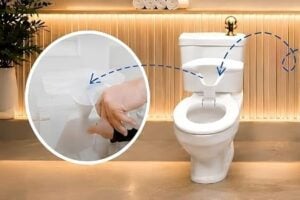
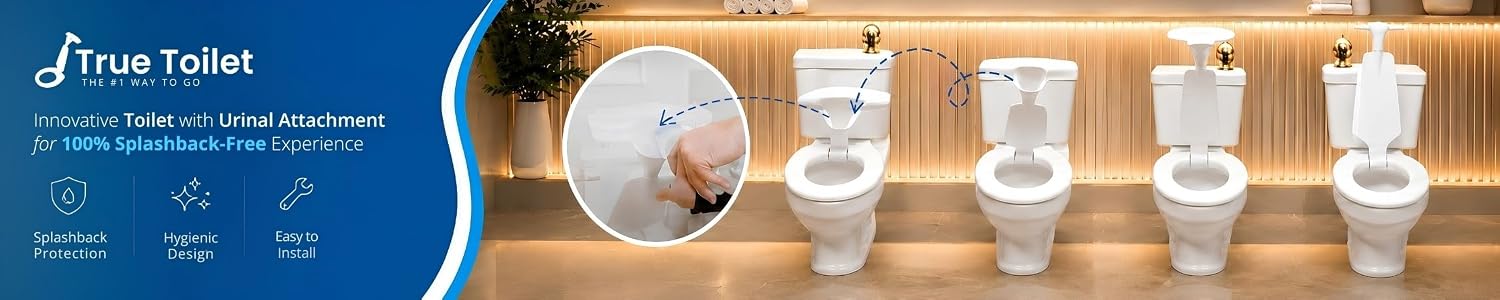
True Toilet’s Innovative Toilet Seat with Urinal Attachment for Men
A toilet urinal attachment is designed to add a urinal-style feature to an existing toilet. Instead of installing a separate wall-mounted fixture, homeowners can explore a product intended to work with the toilet already in their bathroom.
This type of solution may be useful when:
- There is limited space for another fixture.
- A major bathroom renovation is not desirable.
- Additional plumbing work is inconvenient.
- Homeowners want an alternative to a traditional urinal.
However, not every attachment fits every toilet. Always check product dimensions, compatibility, installation requirements, and cleaning instructions before buying.
Why Consider a Male Urinal for Your Home?
Adding a urinal to a residential bathroom can offer practical benefits, particularly in households where several people share the same facilities.
1. Helps Manage Urine Splashes
Urine splashes can land on the toilet seat, rim, floor, and nearby surfaces. These small messes may increase cleaning requirements and contribute to unpleasant odors if residue is left behind.
A properly designed urinal provides a dedicated area for urination and may help manage splashing. Some toilet urinal attachments also incorporate features intended to direct urine and reduce mess around the toilet. The results depend on the product’s design, positioning, and correct use. No fixture can guarantee that every splash will be prevented.
2. Supports Better Bathroom Hygiene
Bathroom hygiene involves more than cleaning the toilet bowl. The seat, surrounding floor, walls, and nearby surfaces also need attention. A suitable urinal may help reduce the amount of urine reaching some surrounding surfaces. This can make everyday cleaning more manageable, especially in shared bathrooms.
Regular cleaning remains essential, regardless of the fixture selected.
3. Makes Shared Bathroom Routines More Convenient
In a busy household, multiple people may need to use the bathroom throughout the day. A separate urinal can provide another option and may make daily routines more flexible. This can be particularly useful in homes with several men and boys. However, whether an additional fixture improves convenience depends on the available space and the household’s usage patterns.
4. Offers Space-Saving Possibilities
Traditional urinals require dedicated installation space. This may not be practical in smaller homes or apartments.
Some toilet urinal attachments are designed to work with an existing toilet, potentially avoiding the need for another wall-mounted fixture.
For homeowners who want to improve bathroom functionality without changing the entire layout, this type of product may be worth exploring.
Traditional Urinals vs. Modern Toilet Urinal Attachments
Choosing between a separate urinal and a toilet attachment is an important part of planning a bathroom upgrade.
| Feature | Traditional wall-mounted urinal | Toilet urinal attachment |
| Installation | Usually requires plumbing and drainage | Varies by product |
| Space requirements | Needs a separate installation area | Designed to use an existing toilet |
| Plumbing | Generally requires suitable plumbing | Some designs require no additional plumbing |
| Renovation | May involve plumbing or wall modifications | May avoid major bathroom modifications |
| Cleaning | Requires regular fixture and surrounding-area cleaning | Requires cleaning of the attachment and toilet |
| Best suited for | Homes with space for a dedicated fixture | Homes seeking a toilet-integrated option |
Neither solution is automatically better for every household.
A traditional urinal may be appropriate when a permanent fixture is preferred and the bathroom has sufficient space and plumbing. A toilet urinal attachment may be more practical when homeowners want a space-saving alternative.
Compare installation requirements, compatibility, cleaning needs, and overall value before making a decision.
How to Choose the Right Male Urinal
Selecting the right urinal involves more than comparing prices or appearance. The product should suit the bathroom, meet the user’s needs, and remain practical to maintain.
1. Measure Your Available Space
Before purchasing a separate fixture, measure the intended installation area. Consider wall dimensions, floor clearance, plumbing access, and enough room for comfortable use.
If you are considering a toilet attachment, check its dimensions and confirm that it will not interfere with normal toilet use.
2. Check Installation Requirements
Different urinals have different installation needs.
Wall-mounted models generally require suitable drainage and plumbing. Portable models do not need permanent installation, while toilet attachments may be designed to work with existing toilets.
Read the manufacturer’s instructions carefully. Consult a qualified plumber if plumbing modifications are necessary.
3. Prioritize Easy Cleaning
A bathroom fixture should be simple to maintain. Look for accessible surfaces, durable materials, and clear cleaning instructions.
Consider whether removable components can be cleaned easily and whether the design contains areas where residue might collect.
4. Consider Comfort and Accessibility
Think about everyone who will use the bathroom. Height, positioning, clearance, and ease of access can all affect comfort.
For seniors and people with mobility challenges, the complete bathroom arrangement matters. A product should not obstruct walking paths or make transfers more difficult.
If a user has significant mobility or balance limitations, professional advice may help determine the safest bathroom setup.
5. Evaluate Long-Term Value
Consider more than the initial purchase price. Review durability, maintenance requirements, replacement parts, warranty information, and installation expenses.
A product that is easy to use and clean may offer better long-term value than a cheaper option that does not suit the household’s needs.
Can Male Urinals Help Reduce Bathroom Cleaning?
Male urinals may help manage urine splashes and reduce residue on some nearby surfaces. This can make bathroom cleaning more manageable, especially in homes with several users.
However, a urinal does not eliminate the need for routine cleaning.
To maintain a hygienic bathroom:
- Clean the urinal regularly.
- Wipe visible splashes promptly.
- Clean the toilet seat, rim, bowl, and surrounding floor.
- Follow the manufacturer’s cleaning instructions.
- Keep the bathroom adequately ventilated.
- Inspect fittings and connections for leaks or damage.
These habits help prevent residue buildup and support a cleaner bathroom environment.
How Male Urinals Can Support Different Household Needs
A residential urinal may be useful in several situations, but the most suitable design depends on individual requirements.
Families With Men and Boys
Families may consider urinals to provide another bathroom option and help manage everyday splashes. Products should be easy to clean and appropriate for the age and needs of their users.
For younger boys, teaching proper bathroom habits and hygiene remains important.
Seniors and Caregivers
Some older adults may benefit from bathroom arrangements that make everyday routines more convenient. Caregivers can consider fixtures that are accessible and straightforward to maintain.
When selecting a product, evaluate the user’s comfort, mobility, and ability to use it safely.
People With Mobility Challenges
For individuals with mobility limitations, the bathroom should be designed around safe access and ease of use.
Consider the amount of bending, reaching, standing, or movement required. A urinal should not obstruct access to other fixtures or interfere with mobility equipment.
Small Homes and Apartments
Smaller bathrooms may not have enough space for a separate urinal. Compact products and toilet-integrated attachments may offer alternatives, depending on the bathroom configuration.
Measure carefully and review product specifications before purchasing.
Why Consider True Toilet as a Modern Urinal Attachment Option?
For homeowners interested in a toilet-integrated solution, True Toilet offers a urinal attachment designed to work with an existing toilet.
According to the manufacturer, True Toilet features a patented design intended to help reduce urine splash, control odors, and keep bathrooms cleaner. The product is also described as a space-saving option designed to fit most standard toilets without requiring additional plumbing.
This approach may appeal to households that want a urinal-style feature without installing a separate wall-mounted fixture.
Potential features to consider include:
- Space-saving approach: Designed to work with an existing toilet rather than requiring a separate urinal installation.
- Splash management: Intended to help reduce urine splashes around the bathroom.
- Odor control: Designed to help control odors as part of a cleaner bathroom setup.
- Installation convenience: Described by the manufacturer as requiring no additional plumbing.
- Residential applications: May be worth considering for families, homeowners, seniors, and caregivers.
As with any bathroom accessory, check the product specifications, toilet compatibility, and installation instructions before purchasing. Fit and performance may vary depending on the toilet configuration and how the product is used.
Visit the True Toilet website to explore its design and product information.
Practical Maintenance Tips for a Cleaner Bathroom
Even the most suitable urinal needs regular care. Establishing a simple maintenance routine can help keep the fixture hygienic and comfortable to use.
Clean regularly. Follow the manufacturer’s recommended cleaning schedule and use suitable cleaning products.
Remove visible residue promptly. Do not allow urine residue to accumulate on the fixture or nearby surfaces.
Maintain ventilation. Good air circulation can help reduce moisture and improve bathroom comfort.
Check for leaks. Inspect plumbing connections, fittings, and components periodically. Use suitable cleaning products. Avoid abrasive products or chemicals that may damage the fixture. Never mix cleaning chemicals, particularly bleach with ammonia or acidic cleaners. Keep the surrounding area tidy. Clean the floor and nearby surfaces as part of the regular bathroom routine. A consistent cleaning schedule helps maintain hygiene regardless of whether the home uses a traditional urinal or a toilet attachment.
Conclusion:
Male urinals offer homeowners several ways to improve bathroom convenience. From traditional wall-mounted fixtures to compact residential models and toilet urinal attachments, each option has different advantages and installation requirements. The right choice depends on the bathroom’s available space, plumbing, intended users, and maintenance needs. A separate urinal may suit a home with room for an additional fixture, while a toilet attachment may be a practical alternative for households that prefer to use their existing toilet. For those exploring a toilet-integrated option, True Toilet offers a space-saving urinal attachment designed to help manage splashes and improve everyday bathroom convenience. Ultimately, choosing the right product and maintaining consistent cleaning habits can make bathroom care more manageable. A well-planned bathroom should support the comfort, hygiene, and daily needs of everyone in the household.