






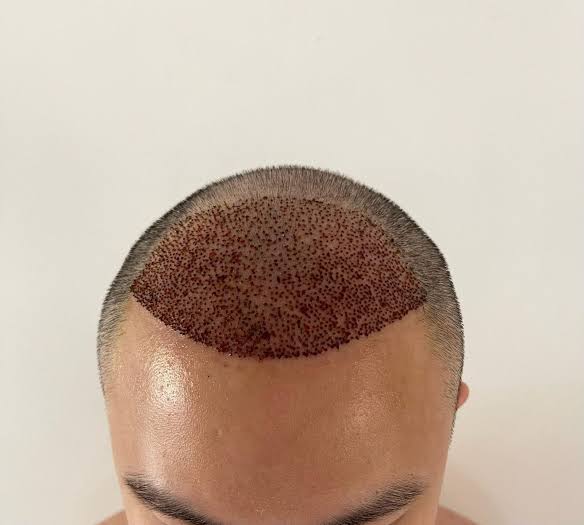
Introduction
Hair transplantation has become an important option for individuals experiencing hair thinning, receding hairlines, or noticeable hair loss. Different techniques are available to restore hair density and improve the appearance of the scalp, but each approach involves its own procedure, instruments, and implantation methods. DHI Hair Transplant in Abu Dhabi is a specialized hair restoration technique that uses a direct implantation method to place harvested hair follicles into selected areas of the scalp. Understanding how this technique differs from other approaches, such as Follicular Unit Extraction (FUE) and Follicular Unit Transplantation (FUT), can help individuals learn more about modern hair restoration options.
Understanding the DHI Hair Transplant Technique
Direct Hair Implantation, commonly known as DHI, is a hair transplantation technique that focuses on the direct placement of individual hair follicles into areas affected by hair loss. The process generally involves extracting hair follicles from a donor area, usually the back or sides of the scalp, and implanting them into areas where additional hair growth is desired.
A specialized implantation instrument, often called a Choi implanter pen, is used to position the extracted follicles. This instrument allows the placement process to be performed with controlled depth, direction, and angle. The technique is designed to support natural-looking hair distribution while providing control over the positioning of individual follicles.
How DHI Differs from Traditional FUE
Follicular Unit Extraction is another widely recognized hair transplantation technique. It involves extracting individual follicular units from a donor area before preparing the recipient area for implantation. Small openings are generally created in the scalp, and the extracted follicles are then placed into these openings.
The main difference between DHI and traditional FUE is the implantation process. In conventional FUE, the recipient sites are usually prepared before the follicles are inserted. DHI uses a specialized implanter pen to place follicles directly into the recipient area.
This distinction provides a different approach to controlling follicle placement. DHI combines the creation of the implantation opening and follicle placement through a specialized instrument, whereas traditional FUE generally involves separate site creation and implantation stages.
DHI Compared with FUT Hair Transplantation
Follicular Unit Transplantation, also known as FUT or the strip method, differs from both DHI and FUE in the way donor hair is collected. During FUT, a narrow strip of scalp tissue is removed from the donor region. Individual follicular units are then separated from this tissue under magnification before being implanted into the recipient area.
DHI and FUE generally involve extracting individual follicular units directly from the scalp rather than removing a strip of tissue. This makes the donor-hair collection process different from the traditional FUT approach.
Another important distinction involves the implantation stage. DHI uses a specialized implanter instrument, while FUT generally requires prepared recipient sites for follicle placement. These differences influence how each technique is performed and how the donor and recipient areas are managed.
The Role of the Choi Implanter Pen
One of the defining features of DHI is the Choi implanter pen. This specialized instrument is designed to hold individual hair follicles and assist with their placement into the scalp.
The instrument allows control over the angle, direction, and depth of implantation. These details are important because natural hair growth follows specific patterns that vary across different areas of the scalp.
For example, the direction of hair growth around the frontal hairline may differ from the growth pattern toward the crown. Careful follicle placement helps create a more natural arrangement that complements the existing hair.
Differences in Hairline Design
Hairline design is an important part of hair restoration because it influences the overall appearance of the face. A natural-looking hairline requires attention to facial proportions, existing hair density, and the direction of natural hair growth.
DHI allows individual follicles to be positioned using an implanter pen, which can provide control during implantation. This may be useful when creating detailed patterns around the frontal hairline.
Other techniques can also produce natural-looking hairlines when follicle placement is carefully planned. The final appearance depends on the overall design, the quality of the extracted follicles, and the experience of the surgical team rather than the technique alone.
Precision and Control During Implantation
Precision is an important consideration in every hair transplantation procedure. Each follicular unit must be placed at an appropriate depth and angle to support a natural distribution of hair.
DHI uses a specialized instrument that allows the implantation process to be controlled during placement. This can be particularly relevant in areas requiring detailed work, such as the frontal hairline and smaller sections of thinning hair.
Traditional FUE also allows precise placement, although the creation of recipient sites and the insertion of follicles are generally performed as separate steps. Both approaches require careful planning to achieve balanced coverage.
Differences in the Treatment Process
The overall treatment process varies depending on the selected hair transplantation method. DHI generally includes donor follicle extraction, preparation of the extracted grafts, and direct implantation using a specialized pen.
In traditional FUE, extraction is followed by the preparation of recipient sites and the placement of follicles. FUT involves removing a strip of donor tissue, separating the follicular units, and implanting them into prepared recipient sites.
Although the steps differ, all three techniques share the same general objective: transferring healthy hair follicles from a donor area to areas affected by hair loss.
Recovery and Healing Considerations
Recovery experiences can vary according to the transplantation technique, the number of follicles involved, individual healing characteristics, and the extent of the treated area.
DHI does not require the removal of a strip of scalp tissue, unlike FUT. Its implantation approach also differs from conventional FUE because specialized instruments are used to place the follicles.
The recovery process should be understood in relation to the specific procedure performed. Individual scalp characteristics and the number of implanted grafts can influence how the treated areas settle during the healing period.
Hair Density and Natural-Looking Results
Hair density is one of the main considerations when selecting a hair restoration technique. The goal is to distribute transplanted follicles in a way that complements existing hair and creates a balanced appearance.
DHI provides control over the placement of individual follicles, which can help with detailed distribution in selected areas. However, the final density depends on several factors, including donor hair availability, scalp characteristics, the number of grafts, and the treatment plan.
FUE and FUT can also achieve natural-looking density when appropriately planned. The most suitable method depends on the individual’s hair loss pattern and restoration requirements.
Which Areas Can DHI Hair Transplant Address?
DHI may be considered for different areas affected by hair thinning or hair loss. These can include the frontal hairline, temples, mid-scalp, and selected crown areas.
The technique allows individual follicles to be positioned according to the natural direction and pattern of hair growth. This can be useful when treating smaller areas that require detailed implantation.
However, the suitability of DHI depends on the condition of the donor area, the extent of hair loss, and the desired coverage. Not every individual requires the same number of grafts or the same implantation approach.
Factors to Consider When Choosing a Hair Transplant Technique
Choosing between DHI, FUE, and FUT involves understanding individual hair restoration needs. The extent of hair loss, donor hair density, scalp condition, and desired hairline design all influence the selection process.
DHI may be considered when direct implantation and detailed follicle positioning are important priorities. FUE may be suitable for individuals seeking individual follicle extraction with separately prepared recipient sites. FUT may be considered when a larger number of grafts is required and the strip extraction approach is appropriate.
A professional assessment helps determine which method aligns with the individual’s hair characteristics and long-term restoration goals.
Conclusion
DHI Hair Transplant differs from other hair restoration techniques mainly through its direct implantation method and the use of a specialized Choi implanter pen. Unlike traditional FUE, which generally involves creating recipient sites before inserting follicles, DHI combines follicle placement and site creation through a specialized instrument. It also differs from FUT, which involves removing a strip of scalp tissue to collect hair follicles. Each technique offers a different approach to hair restoration, and the most appropriate option depends on donor hair availability, hair loss patterns, scalp characteristics, and individual goals.
Frequently Asked Questions
What makes DHI Hair Transplant different from FUE?
DHI uses a specialized implanter pen to place extracted hair follicles directly into the recipient area. Traditional FUE generally involves creating small recipient openings before inserting the extracted follicles.
Is DHI Hair Transplant different from FUT?
Yes. DHI involves extracting individual follicles and implanting them with a specialized instrument, while FUT involves removing a strip of scalp tissue to collect follicular units.
What is a Choi implanter pen?
A Choi implanter pen is a specialized instrument used during DHI to hold and position individual hair follicles in the recipient area.
Can DHI create a natural-looking hairline?
DHI can support detailed follicle placement, allowing attention to hairline direction, angle, and distribution. Natural-looking results also depend on careful planning and individual hair characteristics.
Is DHI suitable for different hair loss patterns?
DHI may be considered for frontal hairline recession, temple thinning, and other areas with reduced hair density. Suitability depends on donor hair availability and the extent of hair loss.
Does DHI use individual hair follicles?
Yes. DHI generally involves extracting individual follicular units from the donor area before implanting them into the selected recipient areas.
Is DHI better than traditional FUE?
Neither technique is universally better. DHI offers a different implantation method, while traditional FUE uses separately prepared recipient sites. The appropriate choice depends on individual requirements.
How does DHI help control hair direction?
The specialized implanter pen allows the surgical team to control the angle and direction of follicle placement, helping the transplanted hair follow natural growth patterns.
Can DHI be used for crown hair restoration?
DHI may be used for selected crown restoration cases. The suitability depends on the size of the thinning area, donor hair availability, and the desired coverage.
What determines the success of a DHI Hair Transplant?
Success depends on several factors, including donor follicle quality, graft handling, implantation technique, scalp characteristics, hair loss patterns, and the overall treatment plan.