






For individuals considering Tattoo Removal in Islamabad, understanding what happens during a treatment session can make the experience less stressful. Knowing how the skin is prepared, what the laser feels like, how long the procedure takes, and what happens afterward helps patients develop realistic expectations. The treatment plan depends on the tattoo’s size, color, depth, location, and the individual’s skin characteristics.
1. Initial Skin Assessment and Treatment Planning
A tattoo removal session typically begins with an assessment of the tattoo and the surrounding skin. The practitioner examines the design, ink colors, tattoo age, size, and location to determine which removal approach may be appropriate.
Different tattoos respond differently to laser treatment. Black and dark blue ink often respond more readily to commonly used laser wavelengths, while green, yellow, turquoise, and some other colors may be more difficult to remove. Professional tattoos can also contain ink at varying depths and densities, which may influence the number of sessions required.
During the consultation, the practitioner may ask about previous tattoo removal attempts, skin sensitivity, healing problems, medications, and medical conditions that could affect treatment. A history of keloid scarring, recent tanning, active skin infections, or certain medications may require additional precautions or postponement.
For people considering Tattoo Removal in Islamabad, the assessment is an important opportunity to discuss their goals. Some may want complete removal, while others may simply want to lighten the design before getting a cover-up tattoo.
It is important to understand that complete removal cannot be guaranteed. A realistic treatment plan should explain the likely degree of fading, possible side effects, and the expected need for multiple appointments.
2. Preparing the Skin Before the Laser Procedure
Once the treatment plan has been established, the skin is prepared for the procedure. The treatment area is generally cleaned to remove dirt, oils, and other substances that could interfere with the process.
Protective eyewear is essential for both the patient and the treatment provider because laser light can damage the eyes. The appropriate eyewear depends on the laser equipment being used.
Depending on the device, tattoo location, and individual comfort level, a cooling system or a suitable numbing method may be used to reduce discomfort. Any numbing product should be selected and applied according to professional instructions rather than used independently without guidance.
The practitioner then positions the equipment and confirms the treatment settings. These settings must be appropriate for the patient’s skin type, ink color, tattoo depth, and the specific laser being used.
Some patients may undergo a test spot, particularly when there is uncertainty about how their skin will respond. This can help the practitioner assess the skin’s reaction before treating a larger area.
Preparation is not simply a routine step. It helps reduce avoidable risks and supports a more controlled treatment experience.
3. What Happens When the Laser Is Applied?
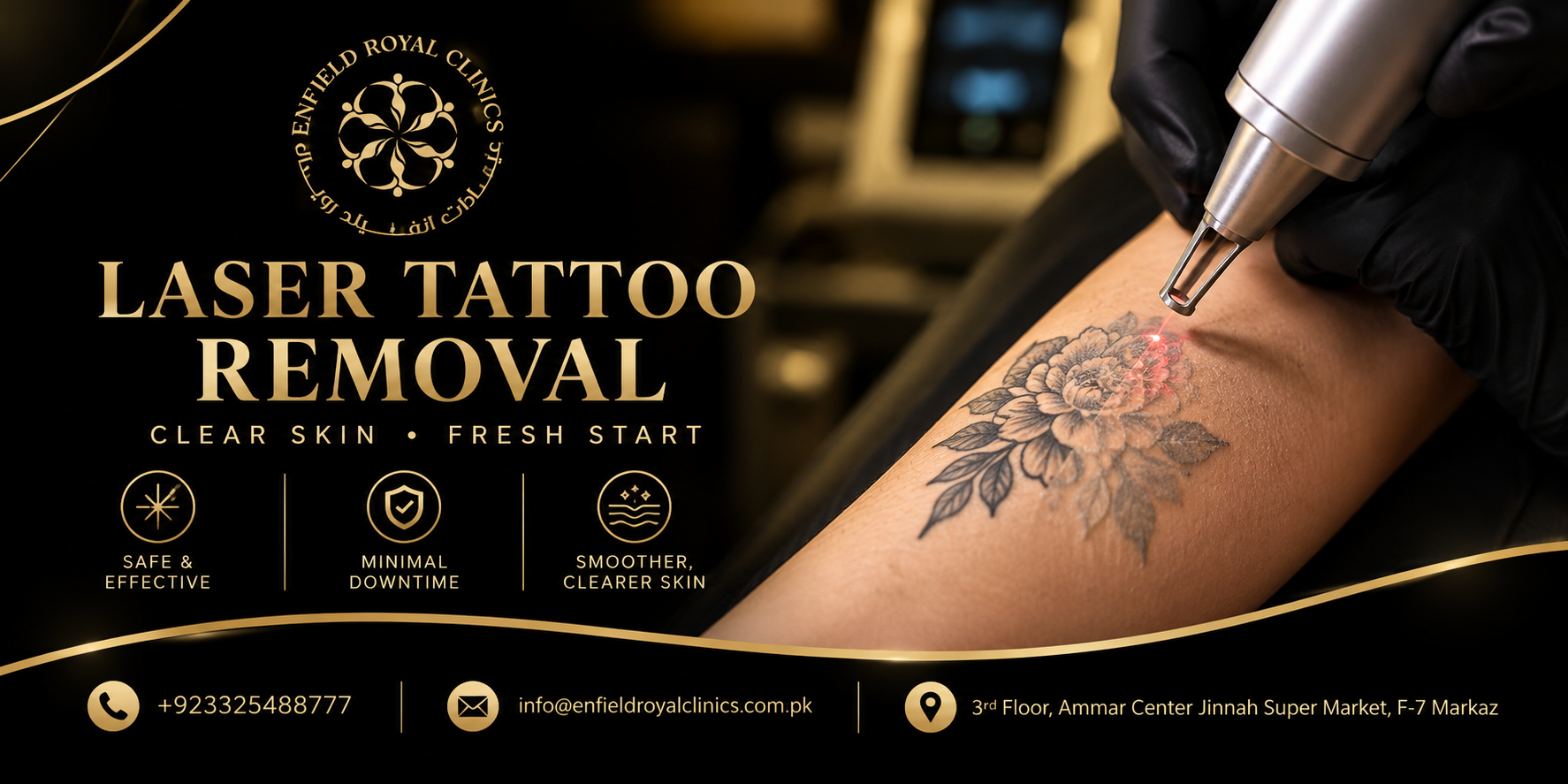
The main part of a tattoo removal session involves directing short pulses of laser energy toward the tattooed skin. The laser targets pigment in the ink, producing a rapid heating effect that breaks the ink into smaller particles. The body’s immune system gradually processes and clears some of these particles over time.
The laser does not usually remove all the ink instantly. Instead, each session contributes to a gradual fading process, with additional improvement often becoming visible over the following weeks.
Patients commonly describe the sensation as similar to a rubber band snapping against the skin or brief, sharp pinpricks. The level of discomfort varies according to the tattoo’s location, size, density, and the person’s pain tolerance. Areas with thinner skin or more nerve endings may feel more sensitive.
The practitioner moves the laser across the tattoo in a controlled pattern. Smaller tattoos may take only a few minutes to treat, while larger designs can require considerably longer. The entire appointment may also include preparation, assessment, and aftercare instructions.
During Tattoo Removal in Islamabad, the number of laser passes and the settings used depend on the individual treatment plan. Increasing the intensity unnecessarily does not guarantee better results and can raise the risk of burns, scarring, and pigment changes.
A safe session focuses on appropriate treatment settings and skin protection rather than trying to remove as much ink as possible in a single visit.
4. What Does the Skin Look Like Immediately After Treatment?
After the laser has been applied, the treated area may appear red, swollen, or slightly raised. Some tattoos develop temporary whitening or a frosted appearance immediately after treatment. This reaction generally settles, although the exact recovery pattern varies between individuals.
Mild tenderness, warmth, and sensitivity are also common. In some cases, small blisters, pinpoint bleeding, or crusting may develop. These reactions should be managed according to the practitioner’s aftercare instructions.
Patients should avoid judging the final result immediately after the appointment. Although the tattoo may look different straight away, much of the fading occurs gradually as the body processes the fragmented pigment.
The skin needs time to recover between sessions. Treating the same area too frequently may increase the likelihood of complications without providing the skin with enough time to heal.
During the appointment, patients should tell the practitioner if they experience unexpected or severe discomfort. After treatment, worsening pain, spreading redness, increasing warmth, pus, or fever may indicate a complication requiring prompt medical assessment.
5. Aftercare: How to Protect the Treated Area
Aftercare plays an important role in recovery following laser tattoo removal. The treated skin needs gentle handling while it heals, and following professional instructions can help reduce irritation and other complications.
Important aftercare measures may include:
- Keep the area clean: Gently clean the treated skin as instructed and avoid rubbing or scrubbing it.
- Protect the skin: Use a recommended dressing if necessary, particularly when the area is vulnerable to friction or contamination.
- Avoid picking blisters or scabs: Allow the skin to heal naturally. Picking at the area can increase the risk of infection, delayed healing, and scarring.
- Avoid unnecessary irritation: Hot tubs, swimming pools, intense friction, and activities that cause excessive irritation may need to be avoided until the skin has healed.
- Protect against sunlight: Keep the area out of direct sunlight and follow professional advice about clothing and sunscreen once the skin is ready for it.
- Use only recommended products: Avoid applying harsh chemicals, exfoliating products, or unapproved home remedies to the treated area.
The exact aftercare plan depends on the treatment response and the location of the tattoo. Patients should follow the instructions provided for their individual circumstances instead of relying on a general routine.
For people undergoing Tattoo Removal in Islamabad, consistent aftercare is especially important when the treated area is exposed to sunlight, clothing friction, or environmental irritants.
6. How Many Sessions Are Needed to Remove a Tattoo?
One session rarely removes an entire tattoo. Most tattoos require multiple treatments, with the total number varying according to the characteristics of the ink and the body’s response.
Factors that can affect the number of sessions include:
- Tattoo size and density: Larger tattoos and designs containing dense layers of pigment may need more treatment.
- Ink color: Certain dark pigments respond well to commonly used laser systems, while some bright colors may be more resistant.
- Ink depth and composition: Professional tattoos may contain different pigments and ink concentrations that influence fading.
- Tattoo location: The body’s ability to clear fragmented ink can vary by location, partly because circulation and immune activity differ across the body.
- Skin characteristics: Skin tone and individual healing responses influence treatment settings and the risk of pigmentation changes.
- Previous treatment: A tattoo that has already been partially faded may respond differently from one that has never been treated.
Appointments are generally spaced several weeks apart, often around six to eight weeks or longer, depending on the individual’s healing and the treatment plan. Some tattoos need additional time between sessions.
The practitioner should assess the skin before proceeding with another treatment. The goal is to allow adequate recovery while making gradual progress toward the patient’s desired result.
7. Frequently Asked Questions About Tattoo Removal
1. How long does a tattoo removal session take?
The duration depends on the tattoo’s size, location, and complexity. A small design may take only a few minutes of laser treatment, while a large or detailed tattoo can take longer. Preparation and aftercare guidance add to the overall appointment time.
2. Is laser tattoo removal painful?
Patients often describe the sensation as brief snapping, stinging, or pinprick-like discomfort. The intensity varies according to the treatment area and individual pain tolerance. Cooling methods or appropriate numbing options may help make the procedure more comfortable.
3. Can a tattoo disappear after one session?
Complete removal after one session is uncommon. Laser treatment generally fades the ink gradually, and multiple appointments are usually necessary. Some tattoos become much lighter, but complete removal is not guaranteed, especially when the ink contains resistant colors or dense pigment.
4. What should patients avoid after tattoo removal?
Patients should avoid picking blisters or scabs, rubbing the area, exposing healing skin to direct sunlight, and applying unapproved products. Swimming and other activities that could irritate the area may also need to be avoided until healing is complete. Individual aftercare instructions should always take priority.
Conclusion
A tattoo removal session usually involves a skin assessment, preparation, application of laser energy, and instructions for recovery. Although the procedure itself may be relatively brief, the overall removal process takes time because the body gradually clears the fragmented ink between appointments.
For anyone exploring Tattoo Removal in Islamabad, understanding each stage can help them make an informed decision and prepare for a realistic treatment journey. Choosing a qualified practitioner, following appropriate safety measures, and allowing enough time between sessions can support safer treatment. Since results vary, a personalized assessment remains the best starting point for determining what tattoo removal may achieve.