







Introduction
The under-eye area plays an important role in the overall appearance of the face. Changes in volume, skin texture, and facial contours can make the eyes appear tired or less refreshed, even when the rest of the face looks youthful. Under Eye Fillers in Abu Dhabi are a popular aesthetic treatment option for addressing selected concerns around the eyes by restoring volume and creating a smoother transition between the lower eyelids and cheeks. Understanding their role in facial rejuvenation helps explain how this treatment can contribute to a refreshed, balanced, and natural-looking appearance.
Understanding Facial Rejuvenation
Facial rejuvenation focuses on improving the appearance of the face while maintaining its natural characteristics. It may involve addressing volume loss, uneven contours, and visible signs of ageing that affect facial harmony. The under-eye region is particularly important because even subtle changes in this area can influence how the entire face looks.
As the face changes over time, the tissues beneath the eyes may lose volume or become less supportive. This can create hollows, shadows, or a noticeable transition between the lower eyelids and upper cheeks. Under-eye fillers are designed to address selected volume-related concerns, helping create a smoother and more rested appearance.
How Under Eye Fillers Restore Lost Volume
Volume loss beneath the eyes can contribute to a hollow appearance that becomes more noticeable under certain lighting conditions. These hollows may create shadows that resemble dark circles, making the face appear tired.
Under-eye fillers commonly use hyaluronic acid-based materials to add volume to carefully selected areas. Hyaluronic acid attracts and retains water, helping support the treated contour. When appropriately selected and administered, fillers can soften the appearance of hollows and create a more gradual transition between the lower eyelids and cheeks.
The goal is not to make the under-eye area look noticeably fuller. Instead, the treatment aims to improve the balance of the surrounding facial contours while preserving the individual’s natural appearance.
Improving the Appearance of Under-Eye Hollows
Under-eye hollows can develop because of natural facial anatomy, changes in fat distribution, or age-related volume loss. These depressions may create a shadow beneath the eyes that remains visible even when a person is well rested.
Fillers can help reduce the appearance of selected hollows by adding volume where it is needed. This may create a smoother surface and reduce the contrast between the lower eyelid and the upper cheek.
The extent of improvement depends on the depth of the hollow, the structure of the surrounding tissues, and the individual’s facial characteristics. A carefully planned approach is important because the under-eye region is delicate and requires precise assessment.
Softening the Appearance of Dark Circles
Dark circles can have several causes, including pigmentation, visible blood vessels, thin skin, and shadows created by under-eye hollows. Understanding the underlying cause is essential when considering an aesthetic treatment.
Under-eye fillers may improve dark circles when the main contributing factor is a hollow that creates a shadow. By adding volume and smoothing the transition beneath the eyes, the treatment can make the area appear brighter and more refreshed.
However, fillers do not directly correct every type of dark circle. Pigmentation-related discoloration or changes associated with skin thickness may require a different approach. This distinction helps establish realistic expectations about the role of fillers in facial rejuvenation.
Creating a Smoother Transition Between the Eyes and Cheeks
The relationship between the lower eyelids and cheeks contributes significantly to facial harmony. When a deep groove develops beneath the eyes, the boundary between these areas can become more pronounced.
Under-eye fillers can help soften this transition by restoring selected areas of lost volume. A smoother contour may create a more continuous appearance from the lower eyelids to the cheeks, improving the overall balance of the central face.
This effect is particularly relevant when hollows are the primary concern. The aim is to create a subtle improvement rather than completely change the natural structure of the face.
Supporting a Refreshed and Rested Appearance
The eyes are often one of the first features people notice during a conversation. Hollowing and shadowing beneath the eyes can sometimes make a person look fatigued, regardless of their actual energy level.
By addressing suitable volume-related concerns, under-eye fillers may help the face appear more rested. The improvement generally comes from reducing the shadows associated with hollows and creating a more even contour around the eyes.
Facial rejuvenation through fillers is not intended to change a person’s identity or facial expressions. Instead, it focuses on subtle refinements that complement existing features.
Maintaining Natural Facial Proportions
Successful facial rejuvenation depends on maintaining balance between different facial features. Adding too much volume to the under-eye area may make the contour appear unnatural or disproportionate.
A conservative approach considers the relationship between the lower eyelids, cheeks, and the rest of the face. The amount of filler and its placement should reflect the individual’s anatomy and aesthetic goals.
Natural-looking results generally involve addressing the specific concern without creating unnecessary fullness. The objective is to support facial harmony while retaining the person’s distinctive appearance.
Who May Benefit From Under Eye Fillers?
Under-eye fillers may be considered by adults who have noticeable hollows or volume-related shadows beneath the eyes. People whose main concern is a deep tear trough may be more suitable than those whose concerns are primarily related to pigmentation or significant skin laxity.
Individual assessment is important because the under-eye region varies considerably from person to person. Factors such as existing puffiness, the distribution of under-eye fat, skin quality, and facial structure can influence whether fillers are an appropriate option.
A qualified professional can assess these characteristics and discuss whether the treatment aligns with the person’s needs and expectations.
The Importance of Individual Assessment
The under-eye area has delicate tissues and complex anatomy, making individualized planning essential. A detailed assessment helps identify whether hollows, pigmentation, puffiness, or another factor is primarily responsible for the appearance of the area.
It also helps determine whether adding volume is likely to produce a meaningful improvement. Some individuals may benefit from a different aesthetic approach rather than fillers.
Understanding these differences supports more appropriate treatment decisions and helps establish realistic expectations regarding the potential results.
What to Expect From the Treatment Process
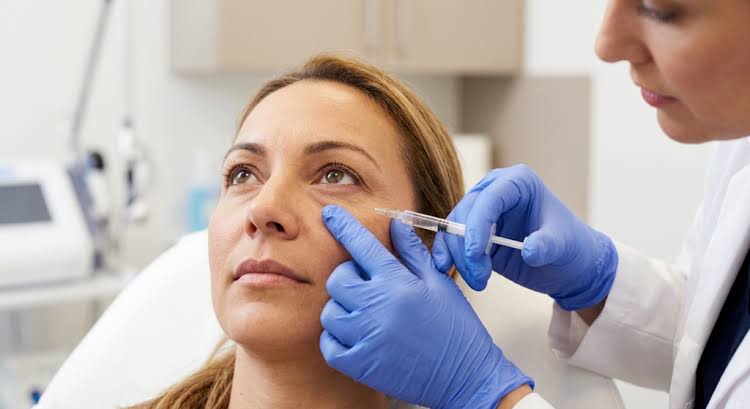
The process generally begins with an assessment of facial anatomy, skin condition, and the concerns the individual wants to address. The treatment plan is then tailored to the under-eye area and its relationship with the surrounding facial structures.
When fillers are considered suitable, the material is placed strategically to improve selected contours. The objective is to create a balanced appearance without excessive fullness.
The visible outcome depends on the product used, the amount administered, individual anatomy, and the specific concern being treated. Results and their duration can vary, so personalized guidance is important.
Under Eye Fillers and Overall Facial Confidence
Changes beneath the eyes can influence how people perceive their overall appearance. When hollows or shadows become more noticeable, some individuals feel that their faces look tired or less refreshed than they would like.
Addressing these concerns may help individuals feel more comfortable with their appearance. The potential benefit comes from a subtle improvement in facial balance rather than a dramatic transformation.
Personal preferences differ, and facial rejuvenation should focus on individual goals. A suitable treatment plan respects natural features and aims to provide proportionate, realistic improvements.
Conclusion
Under-eye fillers play a targeted role in facial rejuvenation by addressing selected hollows, restoring lost volume, and creating a smoother transition between the lower eyelids and cheeks. When volume loss is responsible for under-eye shadowing, the treatment may help the face appear brighter, more rested, and more balanced. However, fillers are not suitable for every under-eye concern, and their effectiveness depends on individual anatomy and the underlying cause of the issue. Careful assessment and realistic expectations are essential for achieving a natural-looking result.
Frequently Asked Questions
What is the main purpose of under-eye fillers?
The main purpose is to restore volume in selected areas beneath the eyes, helping soften hollows and create a smoother transition between the lower eyelids and cheeks.
Can under-eye fillers make the face look more refreshed?
Yes, when hollows are responsible for tired-looking shadows, fillers may help create a more rested and refreshed appearance by improving the under-eye contour.
Do under-eye fillers help reduce dark circles?
They may improve dark circles caused by hollows and shadows. They are generally less effective for discoloration caused primarily by pigmentation or visible blood vessels.
How do under-eye fillers improve facial balance?
They can soften the boundary between the lower eyelids and cheeks, creating a more gradual transition that complements the surrounding facial features.
Are under-eye fillers suitable for everyone?
No. Suitability depends on the cause of the under-eye concern, skin quality, existing puffiness, facial anatomy, and individual treatment goals.
Do under-eye fillers change natural facial features?
The intended goal is to refine the under-eye contour while preserving natural facial proportions. Appropriate product selection and placement are important for maintaining a balanced appearance.
How long can under-eye filler results last?
The duration varies according to the filler used, individual metabolism, treatment area, and other personal factors. A qualified professional can provide guidance based on the proposed treatment.
Can under-eye fillers treat all signs of ageing around the eyes?
No. Fillers primarily address selected volume-related concerns. Skin laxity, pigmentation, pronounced puffiness, and other changes may require different treatment approaches.