






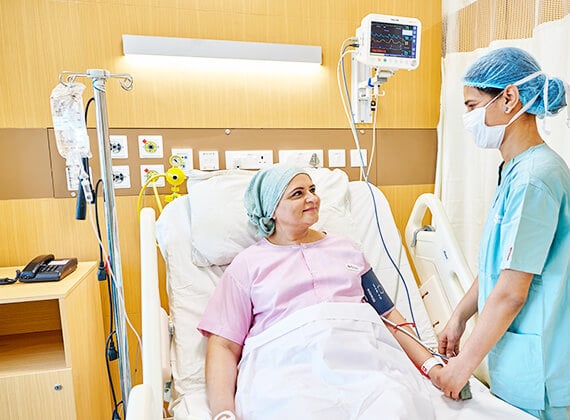
A cancer diagnosis can bring many questions at once. You may be wondering which specialist to consult, what treatment you may need, and how to choose a hospital you can rely on throughout the process. For patients and families, the hospital choice can shape both the treatment experience and the support available along the way.
Mumbai is known for its wide network of hospitals and specialist healthcare services. When comparing Cancer Hospitals in Mumbai, look beyond the name alone. Consider the specialists available, treatment options, diagnostic facilities, follow-up care and financial arrangements. Asking the right questions can help you determine whether a hospital suits your medical needs.
Does the Hospital Have Specialists for Your Type of Cancer?
When choosing a cancer hospital in Mumbai, enquire whether its doctors have experience treating your specific cancer type. Different cancers require specialised knowledge, so understanding an oncologist’s qualifications, clinical experience, and area of expertise can help you assess the available medical care.
Ask whether the hospital has medical, surgical, and radiation oncologists relevant to your condition. You can also enquire how frequently specialists treat similar cases. Their experience and ability to coordinate care are useful considerations when evaluating a hospital for treatment.
What Cancer Treatments and Diagnostic Facilities Are Available?
Cancer treatment may involve surgery, chemotherapy, radiation therapy, immunotherapy, or targeted therapy, depending on the patient’s condition. Ask which treatments the hospital provides and whether the recommended procedures are available at its facilities. This helps you assess its suitability for your requirements.
You should also enquire about diagnostic services, including imaging, biopsies, and pathology testing. Ask whether the hospital can arrange the investigations required for your condition. Understanding how these facilities operate can help you prepare for appointments and the proposed treatment schedule.
How Does the Hospital Decide on the Right Treatment Plan?
Cancer treatment planning considers several factors, including cancer type, stage, medical history, and overall health. Ask how doctors assess these details before recommending treatment. Understanding this process can help you participate in discussions and make decisions based on clear medical information.
Enquire whether specialists from different departments review cases together when appropriate. You can also ask doctors to explain treatment goals, expected benefits, possible side effects, and suitable alternatives. These discussions provide a clearer understanding of the recommended approach and its expected outcomes.
What Patient Support Services Are Available During Treatment?
Cancer treatment involves medical care alongside physical and emotional support. Patients and families may benefit from additional services that address everyday needs throughout treatment. When comparing hospitals, consider asking about the following support facilities and their availability:
- Nutritional Support: Ask whether qualified dietitians provide dietary guidance suited to individual treatment requirements.
- Emotional Support: Enquire about counselling services for patients and their families.
- Pain Management: Check whether specialists offer assessments and suitable care for managing discomfort.
- Rehabilitation Services: Ask about physiotherapy and rehabilitation programmes that support physical recovery.
These services can contribute to patient comfort and wellbeing. Discussing your requirements with the hospital team helps you understand the support available during treatment and recovery.
What Should You Ask About Treatment Costs and Insurance?
Understanding treatment expenses allows patients and families to plan their finances. Before choosing a hospital, ask about estimated charges, insurance arrangements, and payment procedures. Some useful questions to discuss with the hospital’s billing team include:
- Treatment Estimate: Can the hospital provide a written estimate for the recommended treatment?
- Included Services: Does the estimate cover consultations, investigations, procedures, and hospital accommodation?
- Insurance Coverage: Which insurance providers and cashless facilities does the hospital accept?
- Additional Charges: How are changes in treatment expenses communicated to patients?
You can also enquire about payment schedules and insurance documentation. Clear financial information helps families prepare for treatment and understand their expected expenses.
What Follow-Up Care Does the Hospital Provide?
Follow-up care is an important part of cancer treatment. Ask how often appointments may be needed after treatment and which tests the hospital may recommend to monitor recovery. You should also check whether the hospital provides a written follow-up plan and allows patients to contact the care team between scheduled visits when required.
When comparing hospitals, consider how well treatment and follow-up care are coordinated. At established centres such as Nanavati Max Super Speciality Hospital, patients can access oncology consultations, diagnostic services and follow-up support within the same care setting. Understanding how specialists stay involved after treatment can help you assess whether the hospital can support your ongoing care needs.
Conclusion
Choosing a cancer hospital means evaluating specialist experience, treatment facilities, individual care planning, patient support, and financial arrangements. Asking relevant questions helps you understand how different hospitals approach cancer care and whether their services match your medical requirements. Discuss your concerns with qualified healthcare professionals and consider the information provided during consultations. Careful preparation and clear communication can help patients and families make informed decisions with confidence and peace of mind.