




Introduction
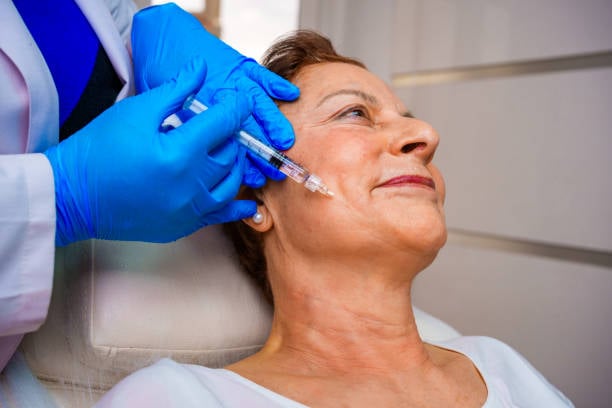
Smile lines are a natural part of facial expression, often becoming more noticeable as the skin changes with age. These lines can develop around the mouth and extend toward the nose, creating visible folds when smiling or speaking. Many people explore non-surgical cosmetic treatments to achieve a smoother and more refreshed facial appearance. Botox Abu Dhabi is one option people may consider when looking to soften certain expression-related lines, although its effectiveness depends on the location and underlying cause of the wrinkles.
Understanding Smile Lines
Smile lines are commonly associated with the folds that extend from the sides of the nose toward the corners of the mouth. They are also known as nasolabial folds. These lines become visible when facial expressions involve smiling, laughing, or speaking. Over time, they may remain noticeable even when the face is relaxed.
Several factors contribute to their development, including natural ageing, changes in skin elasticity, facial volume distribution, and repetitive facial movements. As the skin gradually loses some of its firmness, these folds may become deeper and more prominent. Understanding the type of smile lines is important when considering an appropriate cosmetic approach.
How Botox Works on Facial Wrinkles
Botox is a purified form of botulinum toxin used in cosmetic treatments to temporarily reduce the activity of selected facial muscles. Certain wrinkles develop because repeated muscle contractions cause the skin to fold in the same areas over time. By relaxing targeted muscles, Botox can soften the appearance of specific dynamic wrinkles.
It is particularly associated with expression lines around the forehead, between the eyebrows, and near the outer corners of the eyes. However, not all facial folds develop primarily because of muscle movement. This distinction is important when evaluating whether Botox can improve smile lines.
Can Botox Improve Nasolabial Folds?
Botox is not generally considered the primary treatment for deep nasolabial folds. These folds are often influenced by changes in facial volume, skin elasticity, and the natural structure of the cheeks rather than muscle contractions alone.
Although relaxing selected facial muscles may influence certain expression-related lines around the mouth, Botox does not directly replace lost facial volume or remove established folds. Therefore, its ability to improve traditional smile lines is limited and depends on the individual’s facial anatomy.
The Difference Between Dynamic and Static Smile Lines
Understanding the difference between dynamic and static wrinkles helps explain how Botox may affect facial lines. Dynamic wrinkles appear mainly when facial muscles contract. They may become less visible when the face returns to a relaxed position.
Static wrinkles, on the other hand, remain visible even when the facial muscles are not moving. These lines can develop through gradual changes in skin structure, elasticity, and underlying facial volume.
Botox is generally more effective for dynamic wrinkles because it works by reducing muscle activity. Static smile lines may require a different approach depending on their depth and location.
Why Smile Lines Become More Noticeable
Smile lines can become more prominent through a combination of natural facial changes. As collagen and elastin levels gradually change, the skin may lose some of its original firmness and flexibility. This can make facial folds more visible.
Changes in the distribution of facial fat can also influence the appearance of the cheeks and the surrounding areas. When cheek volume changes, the folds extending toward the mouth may become more pronounced.
Repeated smiling and other facial movements contribute to the natural formation of expression lines. However, smile lines are not caused by facial expressions alone, as structural changes also play an important role.
Botox and the Appearance of Lines Around the Mouth
Botox may be considered for selected wrinkles around the mouth that are associated with repeated muscle movement. These can include vertical lip lines and certain expression-related creases.
The muscles surrounding the mouth are important for speaking, smiling, and other everyday facial expressions. Therefore, any treatment involving these muscles requires careful consideration of facial movement and balance.
The goal is to soften targeted expression lines while preserving natural facial expressions. Botox may provide improvement in suitable areas, but it should not be expected to eliminate deeper nasolabial folds.
Alternative Cosmetic Approaches for Smile Lines
When smile lines are primarily related to facial volume changes, other cosmetic approaches may be more appropriate than Botox. Dermal fillers are commonly considered because they can restore selected areas of facial volume and help soften the appearance of deeper folds.
Skin-focused treatments may also be considered when reduced firmness and changes in skin texture contribute to visible lines. The most suitable approach depends on the individual’s facial structure, skin condition, and cosmetic goals.
In some cases, a combination of treatments may be discussed to address different factors contributing to facial ageing. The objective is to achieve balanced facial contours rather than focusing on a single wrinkle.
Maintaining Natural Facial Expressions
A refreshed appearance should maintain the natural movement and character of the face. Smiling lines are a normal part of facial expression and contribute to an individual’s appearance.
When Botox is considered for wrinkles around the mouth, treatment planning should account for the role of the surrounding muscles. A balanced approach focuses on appropriate muscle relaxation without unnecessarily affecting everyday facial movements.
Individual facial anatomy and the location of the targeted wrinkles influence the treatment approach and expected outcome.
What Determines the Suitability of Botox?
Several factors help determine whether Botox may be suitable for someone concerned about smile lines. The location of the wrinkles, their depth, and whether they appear during facial movement or remain visible at rest are important considerations.
Skin quality and facial volume also influence the overall appearance of the folds. Individuals whose concerns involve dynamic wrinkles around the mouth may have different treatment considerations from those with deeper nasolabial folds.
A professional facial assessment can help identify the underlying cause of the lines and determine whether Botox or another cosmetic approach is more appropriate.
What Results Can Be Expected?
The results of Botox depend on the muscles treated, the amount of muscle activity, and the individual’s facial characteristics. When used for suitable dynamic wrinkles, it may create a smoother appearance by reducing repeated muscle contractions.
However, expectations should remain realistic when treating smile lines. Deep folds caused by changes in facial volume or skin structure are unlikely to improve significantly through Botox alone.
Understanding the difference between expression lines and structural folds can help individuals make informed decisions about cosmetic treatment options.
Conclusion
Botox can improve the appearance of certain expression-related wrinkles around the mouth, but it is not generally the most effective option for traditional smile lines or deep nasolabial folds. Since these folds often develop because of changes in facial volume and skin structure, alternative cosmetic approaches may provide more suitable results. Identifying the underlying cause of the wrinkles is essential for selecting an approach that supports a smoother, balanced, and natural-looking facial appearance.
Frequently Asked Questions
Can Botox completely remove smile lines?
Botox does not generally remove traditional smile lines because these folds are often associated with facial volume changes and reduced skin elasticity. It may soften selected expression-related wrinkles.
Is Botox effective for nasolabial folds?
Botox is not usually the primary treatment for nasolabial folds. These folds are generally influenced by facial structure and volume changes rather than muscle movement alone.
Can Botox improve wrinkles around the mouth?
Yes, Botox may help soften certain dynamic wrinkles around the mouth, particularly those associated with repeated muscle contractions.
How is Botox different from dermal fillers for smile lines?
Botox works by temporarily relaxing selected muscles, while dermal fillers add volume to specific facial areas. Fillers may be more appropriate for folds associated with volume loss.
Does Botox help with deep smile lines?
Botox generally has limited effectiveness for deep smile lines because these are often structural folds rather than wrinkles caused mainly by muscle movement.
Can Botox maintain natural facial expressions?
When appropriately selected and administered, Botox aims to soften targeted wrinkles while preserving natural facial movement. Treatment planning is important around the mouth because these muscles support everyday expressions.
Are smile lines a natural part of ageing?
Yes, smile lines are a normal feature of facial ageing. Changes in collagen, skin elasticity, facial volume, and repeated expressions can make them more noticeable over time.
How can someone determine the right treatment for smile lines?
A professional assessment can evaluate wrinkle depth, facial volume, skin quality, and muscle movement to identify an appropriate cosmetic approach.